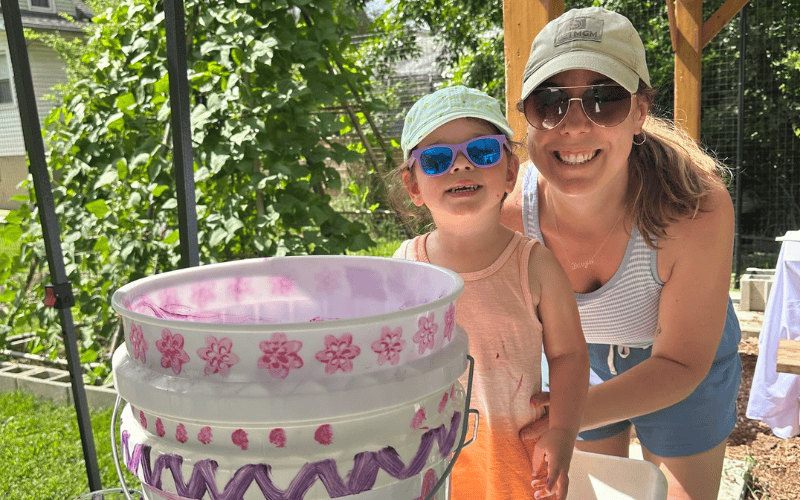
Cover photo: Mosquito Bucket Challenge event by Barrington Green Team, NJ
Est. Read time: 7 minutes
How the 2024 Community Survey shaped our work in 2025
Each year, Homegrown National Park surveys our community to better understand what’s actually happening on the ground. The goal isn’t to measure perfection, but to listen carefully to the people doing this work in real landscapes, under real constraints. The responses help us understand what’s working, where people get stuck, and what kinds of support make it easier to keep improving landscapes for biodiversity.
The 2024 survey reflects over 1,400 responses from people across the country, including both first-time native plant gardeners and those who have been planting and restoring habitat for years. Taken together, these responses represent thousands of everyday actions happening in yards, schools, and shared spaces. Looking back at these responses helps us understand how that collective effort shaped the 2025 programs, tools, and priorities you’ll see below.
We invite you to share your experience through the 2025 Community Survey. Your input will guide our work in 2026, and help ensure our resources reflect real needs on the ground.
(Survey closes 1/31/26)
What People Did in 2024
The survey results show that many respondents took meaningful steps to support biodiversity in 2024, often in more than one way.
How many native plants respondents planted in 2024
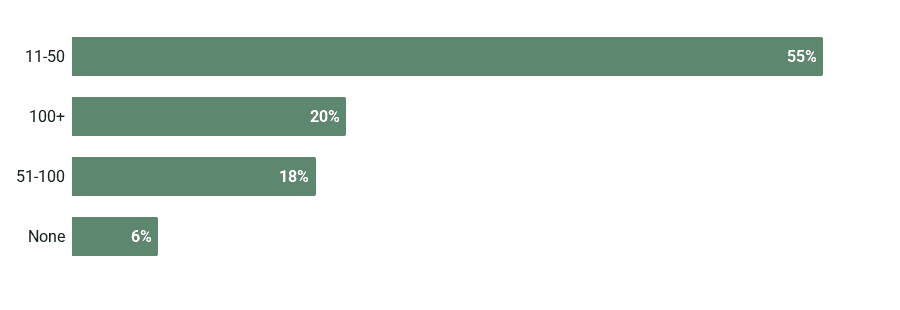
Most respondents planted native plants during the year, with many reporting that they added between 11 and 50 plants. This highlights the scale of effort people are putting into improving their landscapes.
Did respondents remove invasive plants in 2024?
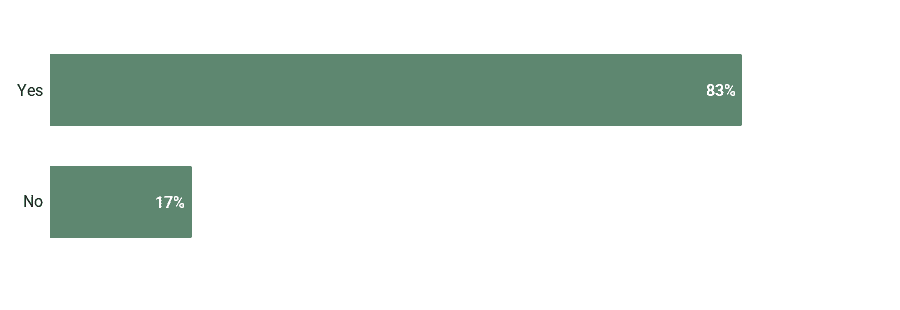
Removing invasive plants was also a common action. Respondents shared that learning to identify invasive species helped them better understand how plant choices affect the health of their local ecosystems.
How respondents are changing pesticide use
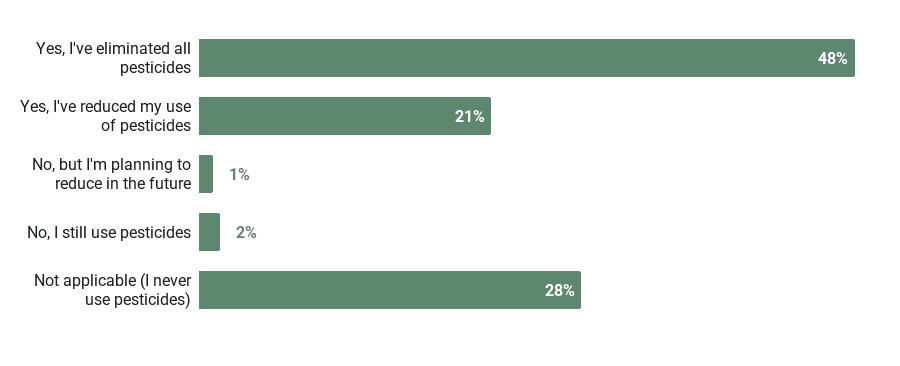
A large share of respondents reported reducing or eliminating pesticide use. These changes help protect pollinators, birds, and other wildlife, and they also support healthier soil and water systems.
“Once I understood how pesticides affect insects and birds, I couldn’t unsee it. That knowledge completely changed how I manage my yard.”
While each of these actions may seem small on its own, together they represent real progress toward healthier, more functional landscapes.
Where People Got Stuck
Even with strong motivation, many respondents shared challenges that made it harder to continue improving their landscapes.
Biggest challenges respondents faced in 2024
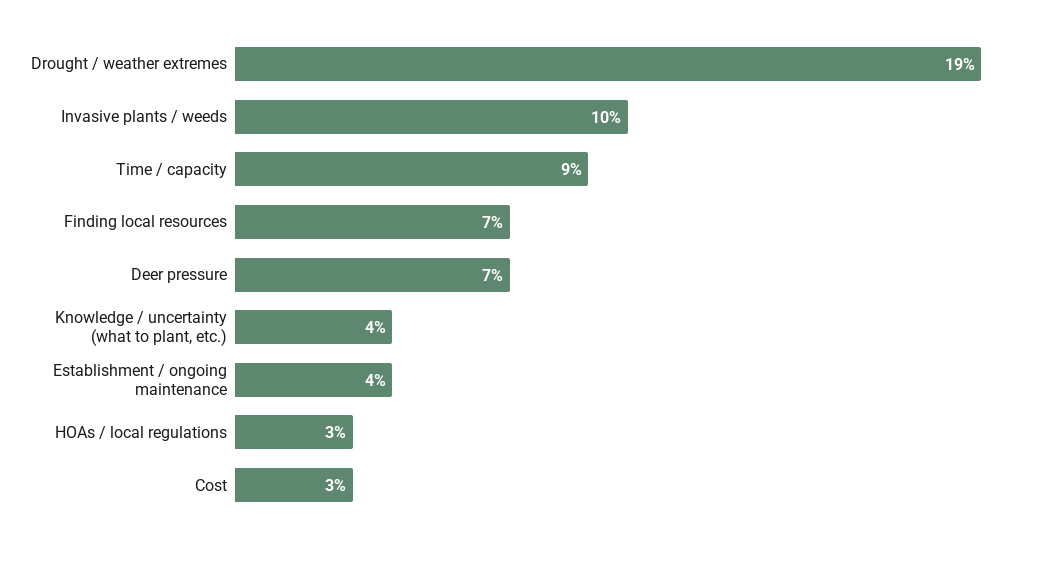
*Open-ended responses were grouped into common themes.
Time, cost, and uncertainty about what to do next were the most commonly cited barriers. Many respondents also mentioned heavy deer pressure, along with drought and changing weather patterns, difficulty finding local resources, and navigating HOA or municipal rules.
“I want to do more, but sometimes I’m not sure what the next right step is, or whether I’m doing it correctly.”
“Deer pressure is my biggest challenge. I can plant the right species, but keeping them alive is an ongoing struggle.”
These responses reinforce something we hear often: caring about biodiversity is not the same as having easy access to the tools and information needed to act.
What Would Help Most
Even with strong motivation, many respondents shared challenges that made it harder to continue improving their landscapes.
What resources respondents requested most
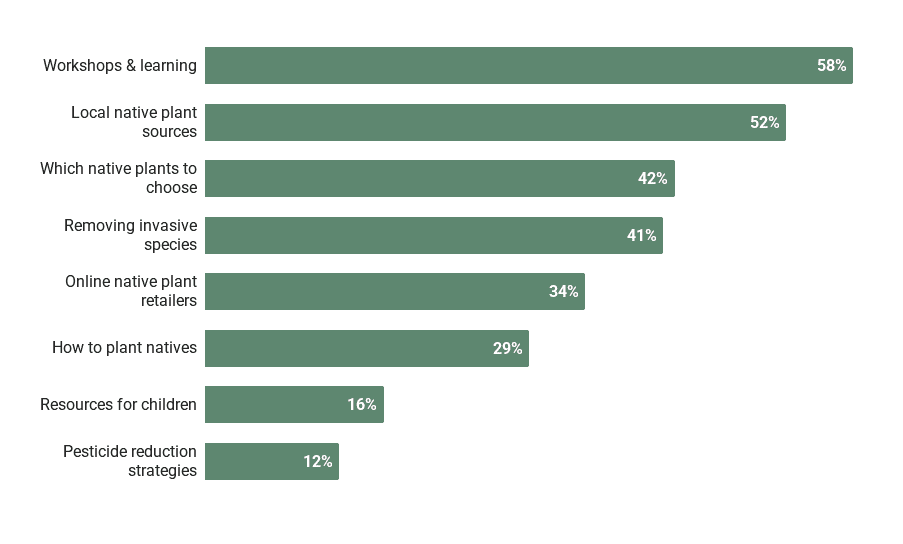
Respondents consistently asked for practical, easy-to-use support. Finding native plants locally, learning how to remove invasives effectively, and understanding what works in specific regions were among the most common needs.
“I don’t need more reasons to plant native. I need help figuring out what works where I live.”
This feedback helps us focus on solutions that meet people where they are, both in their learning journey and in the places they live, rather than expecting them to piece together complicated information on their own.
How Your Feedback Shapes Our Work
The 2024 survey didn’t just help us understand what people were struggling with — it helped shape what we built in 2025. Across responses, we heard a clear need for practical, place-based support and for easier ways to bring biodiversity work into everyday settings beyond individual yards.
In 2025 we expanded the Schools Program, piloting hands-on biodiversity education and plantings in schoolyards in partnership with teachers, students, and community organizations, reflecting survey feedback that highlighted interest in youth-focused and educational resources.
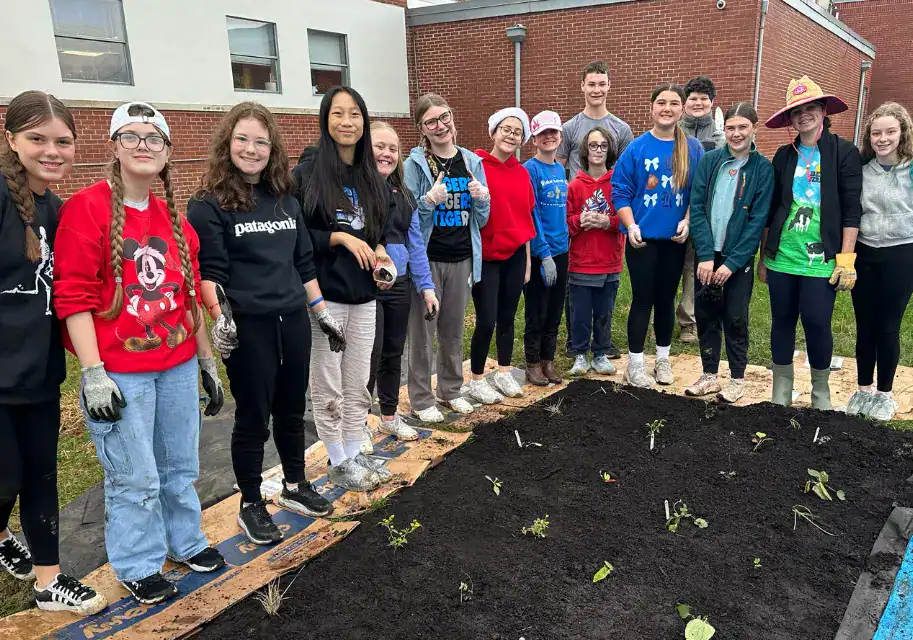
HNP Schools Program | Ringgold Middle School, TN
We also expanded our webinars and talks, making expert guidance more accessible through both live sessions and recorded talks that individuals and groups can host locally. These offerings help remove barriers around knowledge and confidence by meeting people at different stages of their learning journey.
To support people who want practical, shareable ways to take action, we expanded our community programs, which offer turnkey events people can host locally, such as seed sowing parties and other hands-on activities. We also developed guides for talking with neighbors and working with HOAs, helping people navigate common social and institutional barriers. Alongside these efforts, we continued to grow participatory campaigns like the Mosquito Bucket Challenge, giving communities a simple, visible way to take action together.
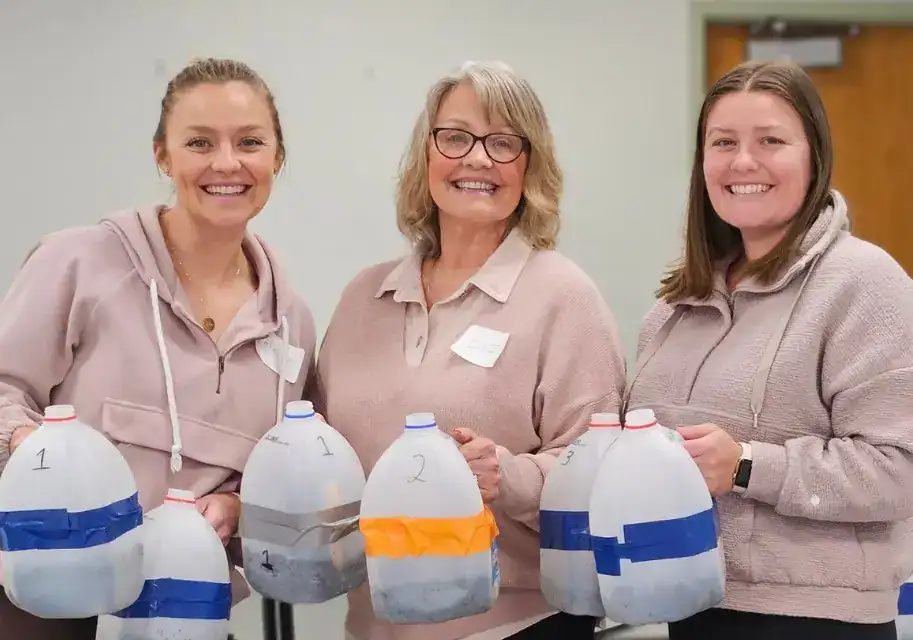
Winter Sowing Party, Liz Myers-Chamberlin | Pinehurst, NC
In 2025, we also partnered with Sunbridge to launch the first Homegrown National Park community. Sunbridge models how entire neighborhoods can integrate native plant design and habitat restoration into everyday living, a powerful demonstration of collective action that many survey respondents said they hoped to see more of locally.
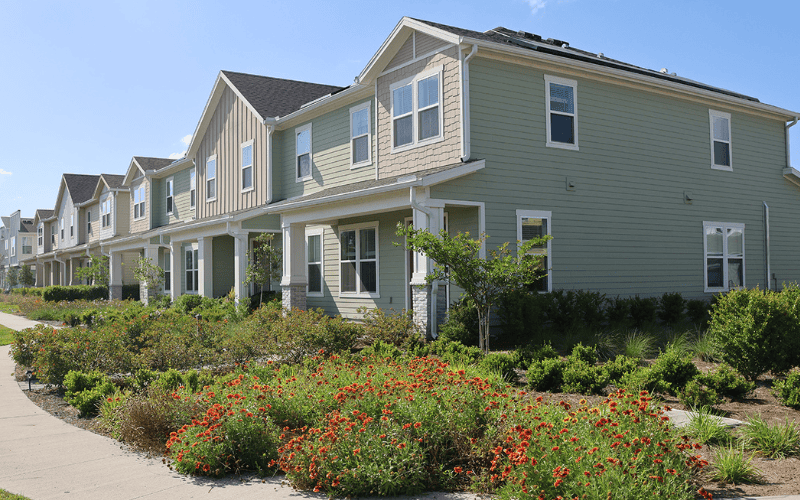
Sunbridge - Ocala, FL | the first Homegrown National Park Community
Across all of this work, your feedback helped us focus on solutions that meet people where they are, both in experience and in place, and that make it easier to take meaningful action for biodiversity together.
Looking Ahead to 2026
The 2025 Community Survey builds directly on what we've learned. By sharing your experience, you help guide the next set of resources, programs, and actions designed to support biodiversity where people live.
Restoring nature is possible, and it happens through thousands of everyday decisions made by people who care enough to try. If you haven’t yet, we invite you to take the 2025 survey and help shape what comes next!
(Survey Closes 1/31/26)