

The Homegrown National Park Schools Program
Growing the Next Generation of Conservation Stewards
The Homegrown National Park Schools Program brings hands on biodiversity education into middle schools and gives students a meaningful way to make a difference.
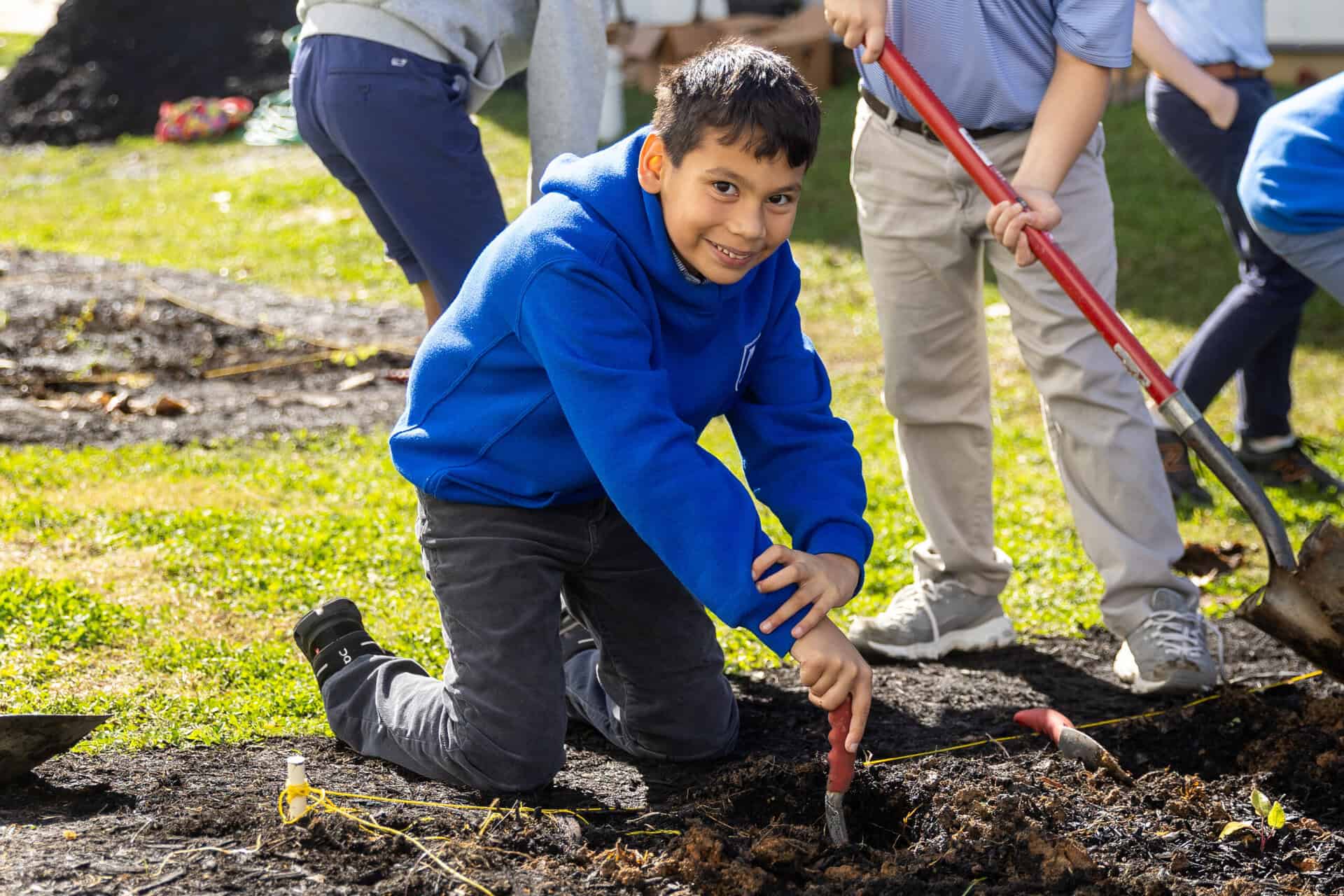
The Homegrown National Park Schools Program launched in the greater Chattanooga region and is now preparing for expansion to additional locations.
Through outdoor learning, native planting, and community-based propagation, students learn how to restore biodiversity where they live, learn, and play.
Why do school habitats matter?
Students everywhere deserve the chance to experience nature in a real and meaningful way. Schoolyards are often overlooked spaces, yet they hold the potential to become thriving pockets of habitat that benefit both wildlife and people.
When students learn how ecosystems work and then take action to restore them, they gain confidence, curiosity, and a sense of responsibility for the world around them. The HNP Schools Program helps students see themselves as conservationists. Each garden becomes a living classroom that connects lessons to the real world. Each propagated plant becomes a new piece of habitat in a neighborhood or school community. These experiences help grow a culture of stewardship that can spread across towns, districts, and entire regions.
This is how we rebuild biodiversity from the ground up, one school at a time.
Stage 1: Learn
Students complete a 6 to 8 week unit using the Symbiotic Schoolyard curriculum.
The standards-aligned educational framework teaches food webs, ecological relationships, native plants, and local biodiversity.
Stage 2: Plant
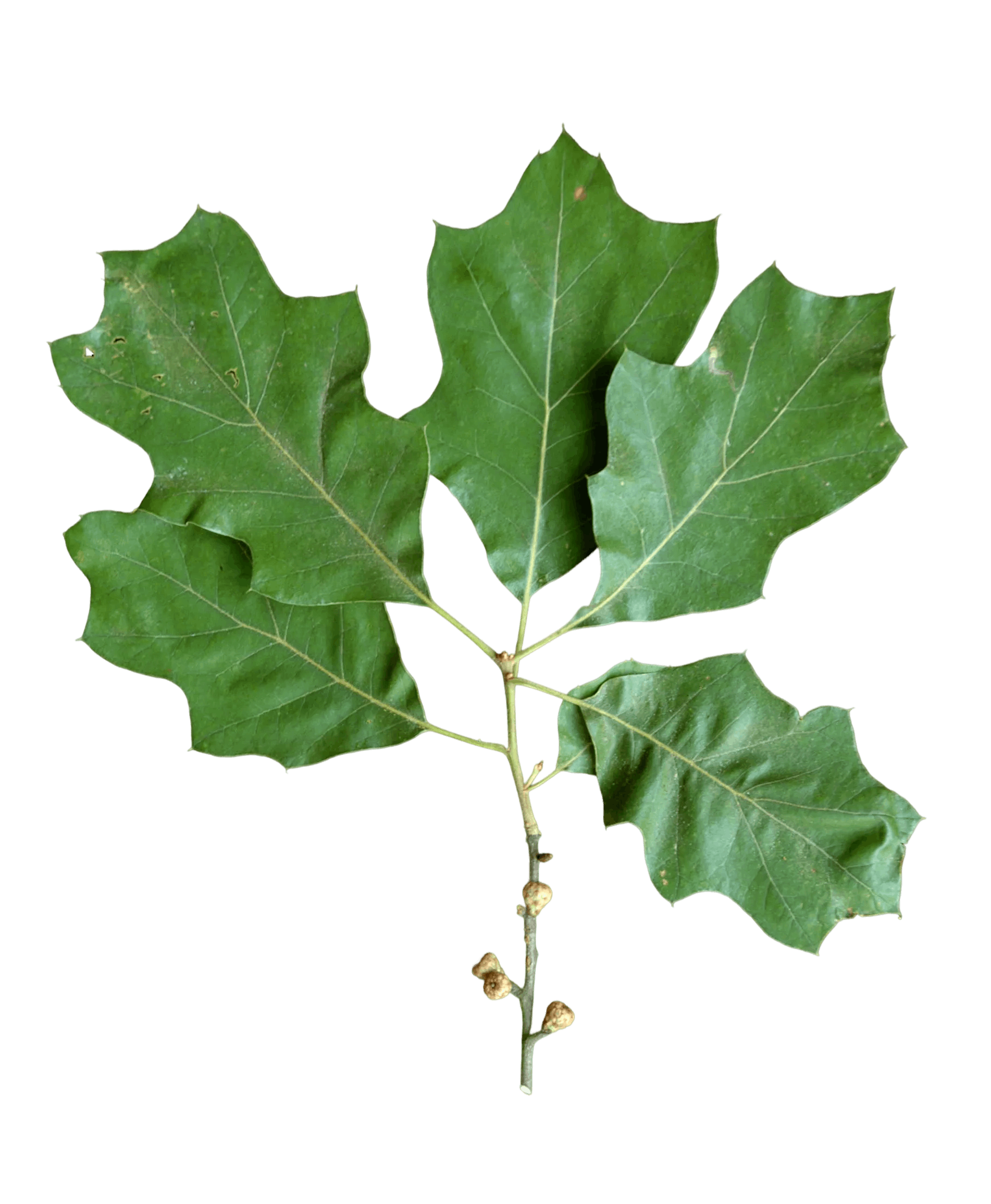
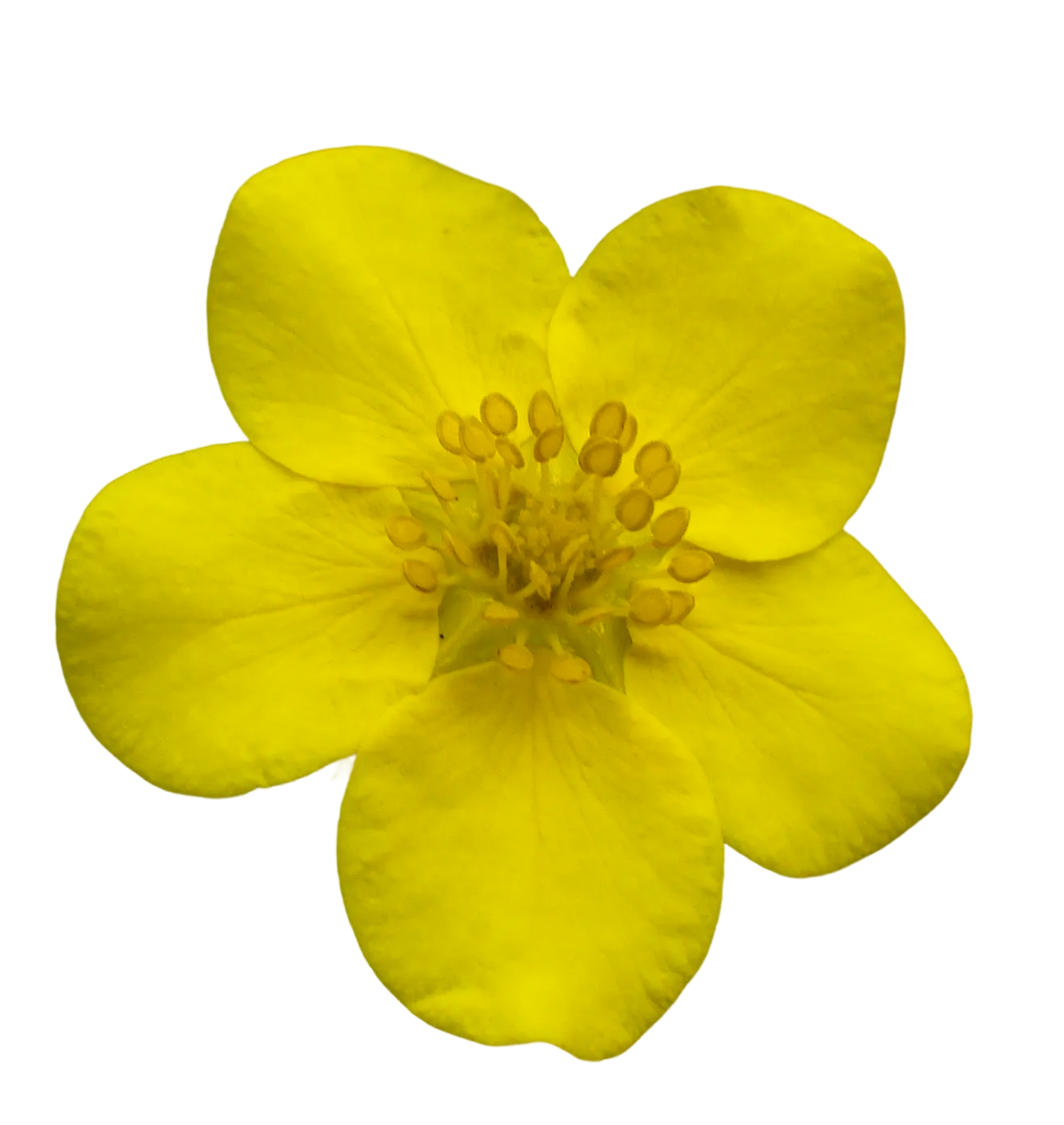
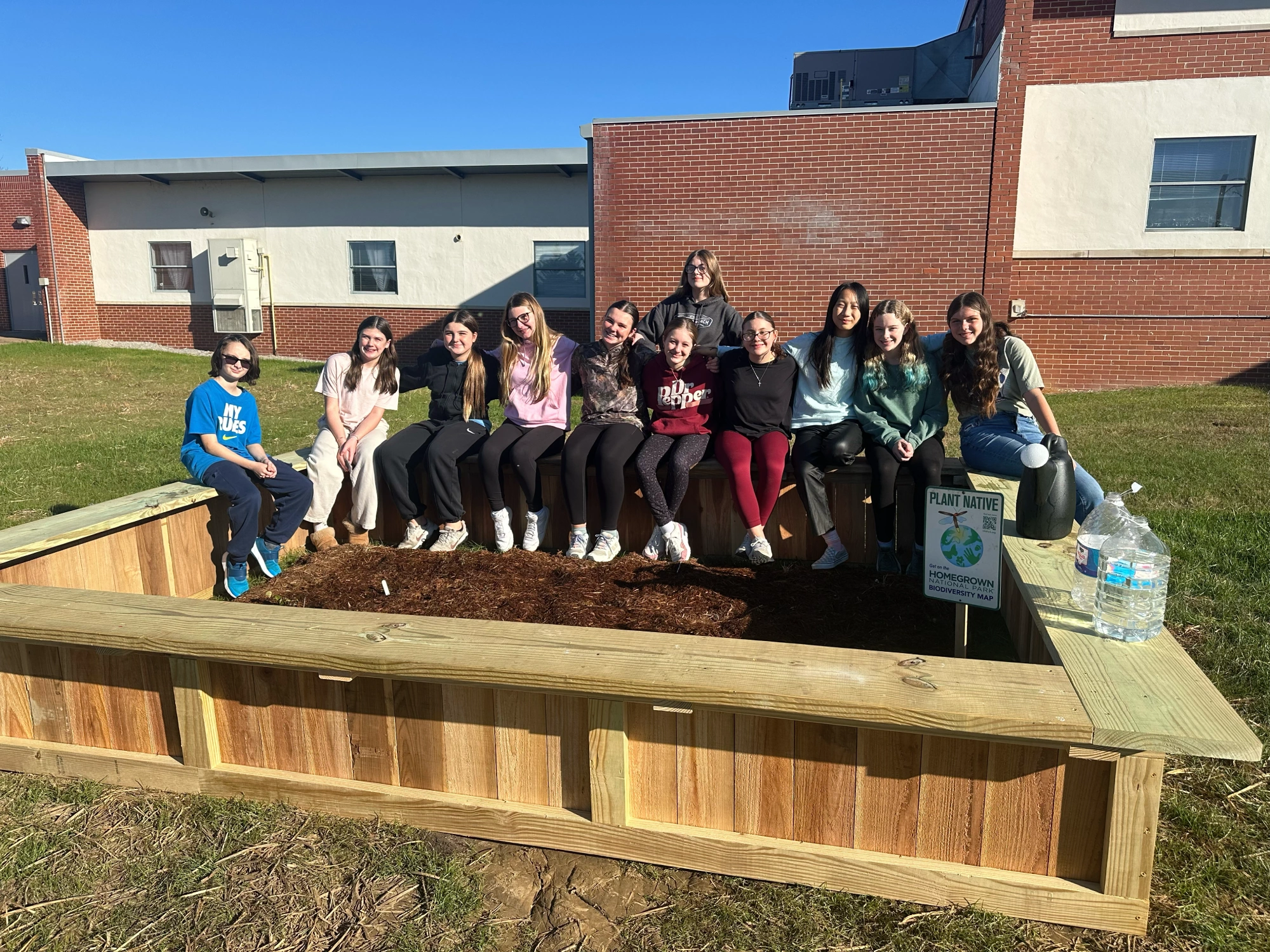
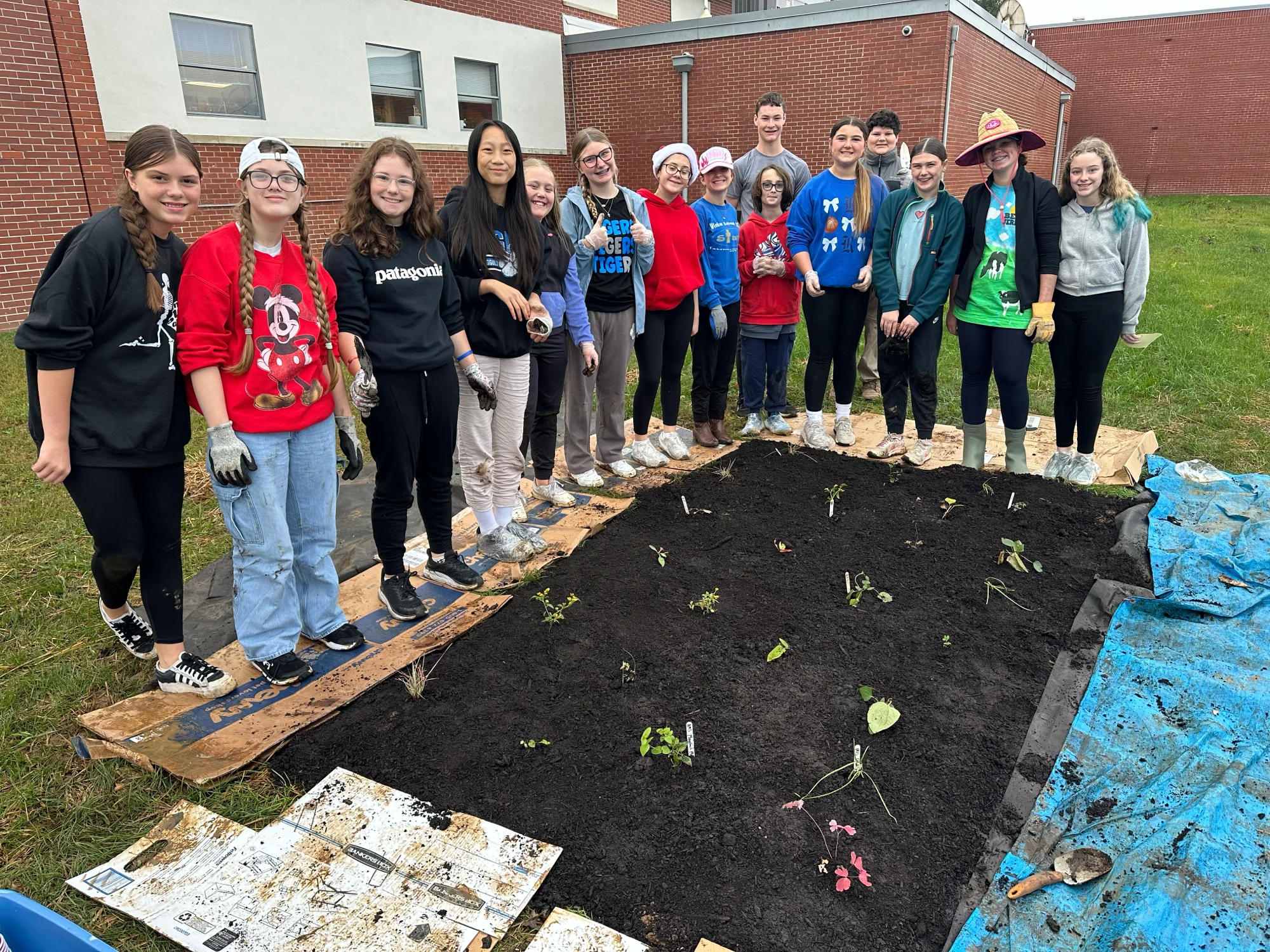
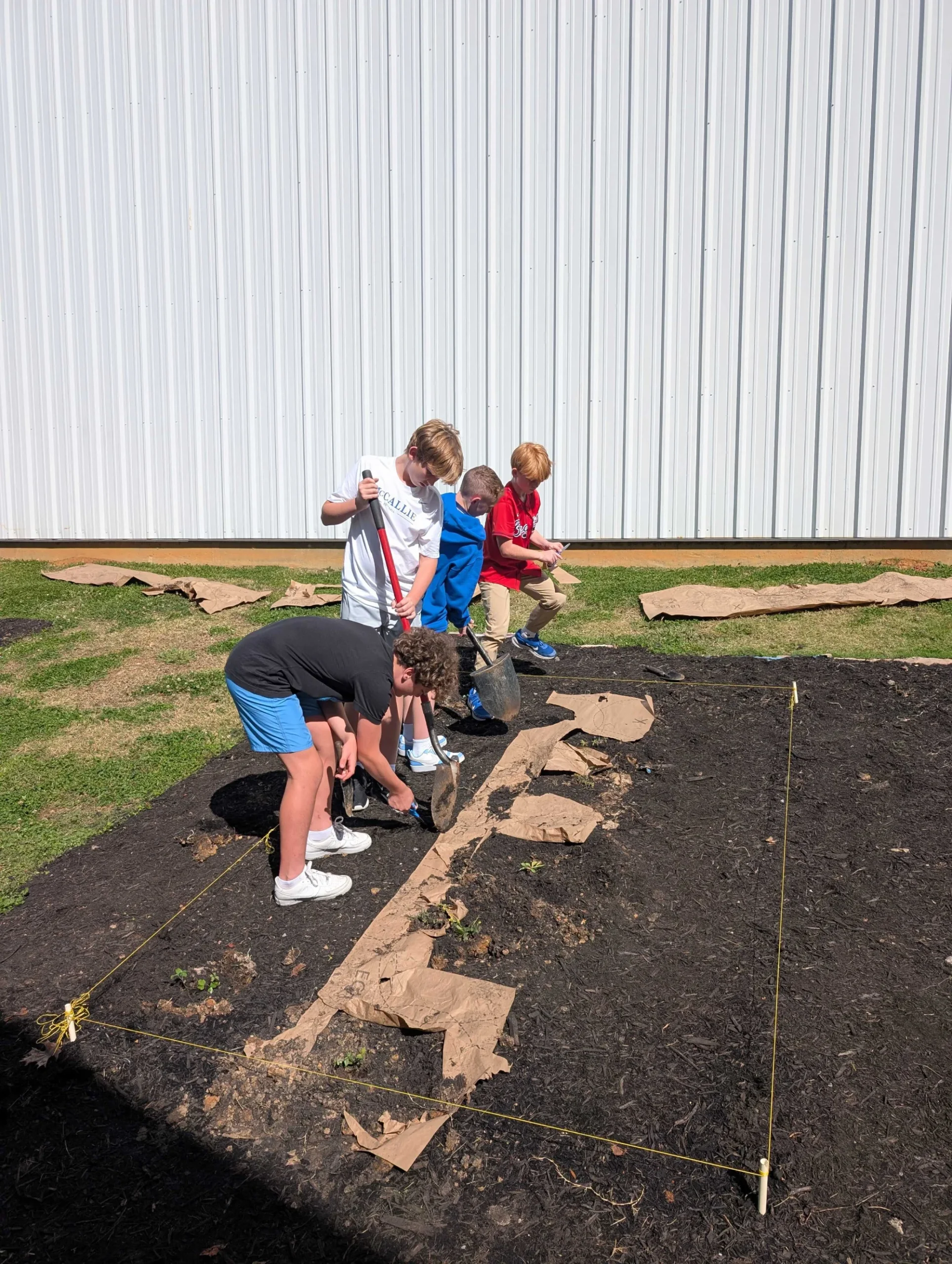
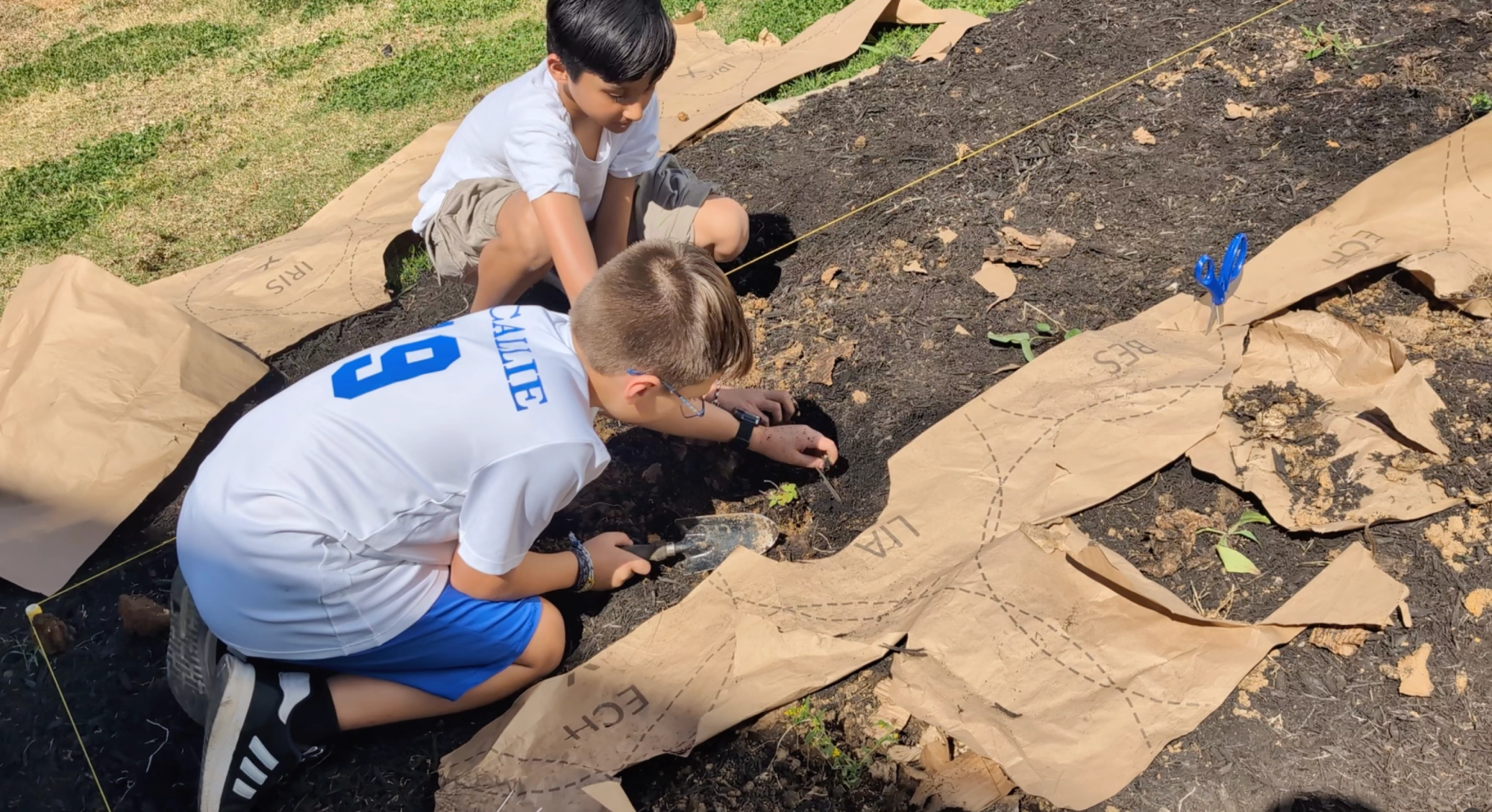
Each school installs a native plant garden that reflects its local ecology.
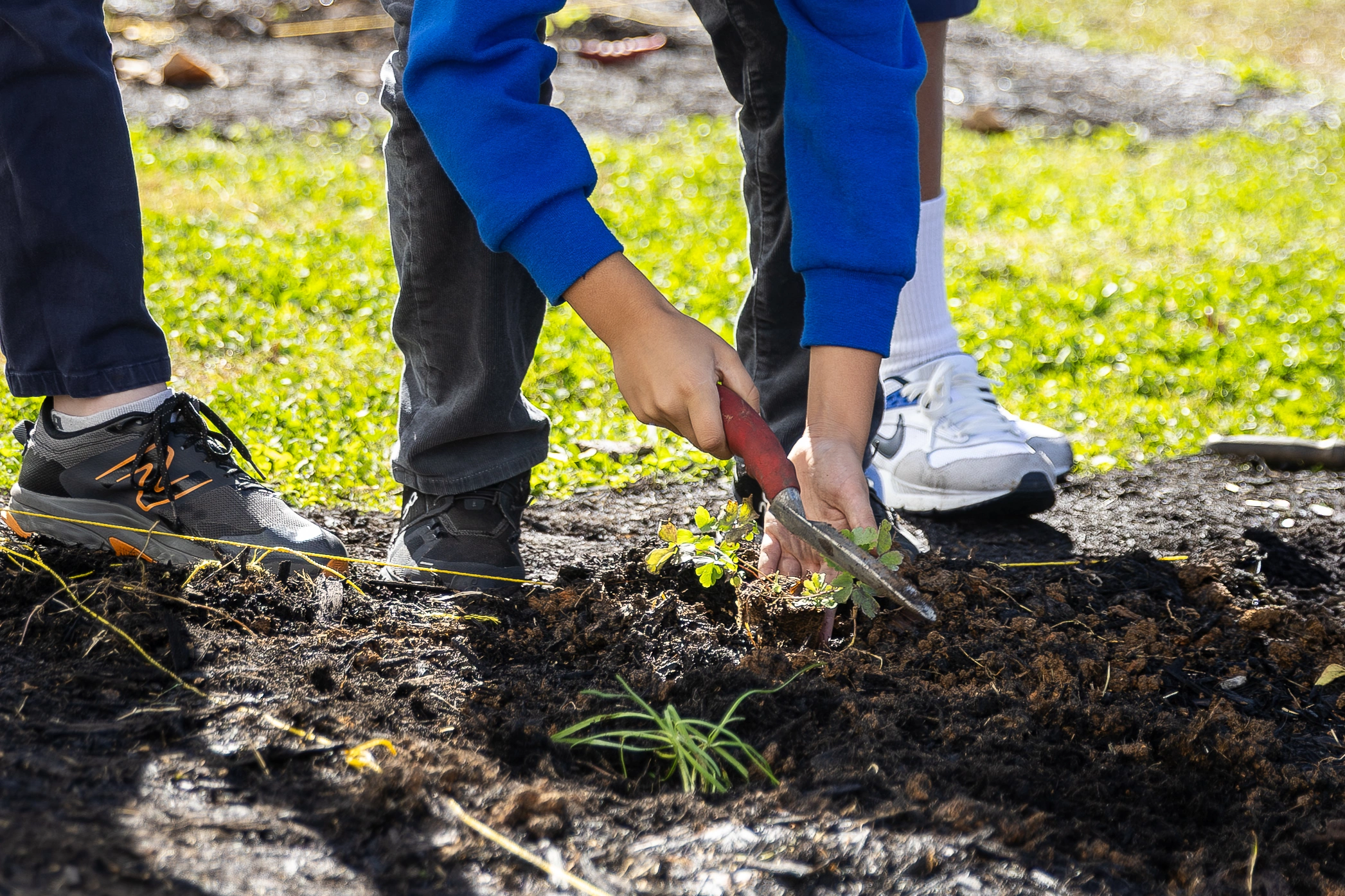
Students prepare soil, identify species, observe insects, and create real habitat that supports wildlife year after year.
Stage 3: Grow
Students help care for their garden as it establishes.
They monitor seasonal changes, learn how species interact, and begin to understand the food web in a hands on way.
Stage 4: Propagate
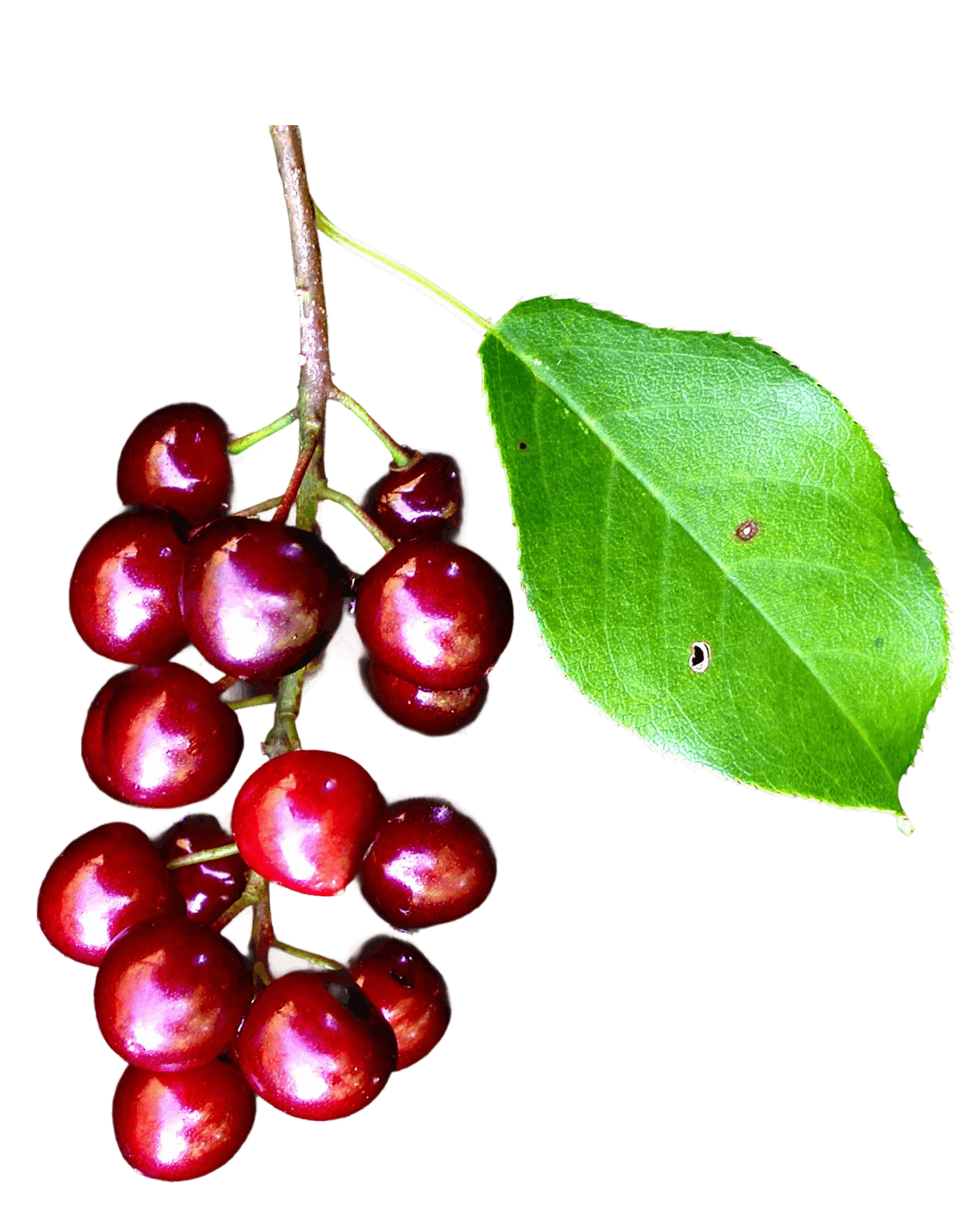
Students learn to collect and grow seeds from their campus gardens.
These student-grown plants will revitalize homes, neighborhoods, and community spaces, expanding habitats far beyond school grounds.
Pilot Program Impact
Reach
7 schools engaged, 8 teachers trained, over 650 students educated, and hundreds of native plants planted.
Educator Confidence
Educators reported an increase from 2.8 to 4.8 on confidence teaching biodiversity on a 5-point scale.
Educator Familiarity
Educators reported 5-point increase in familiarity with native plants (from 3.0 to 4.8).
Student Awareness
Students reported a 4.3 in awareness of biodiversity & native plants on a 5-point scale.
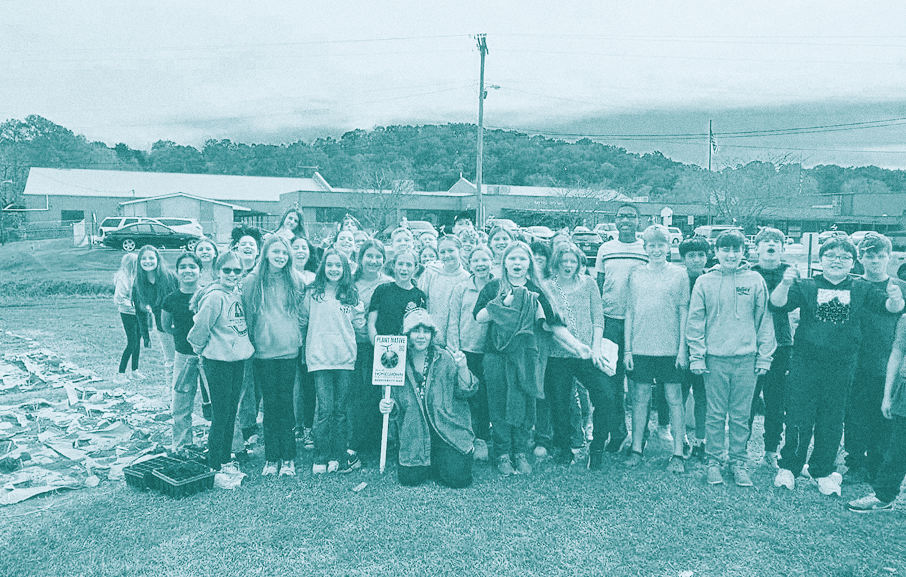
"They loved observing their environment through the lens of student ecologists. Seeing what they learned show up right outside the classroom was incredibly rewarding."
Andrea, Teacher and Pilot Educator
HNP Schools Program Supporters & Partners



Interested in Funding or Sponsoring a School?
We are actively seeking partners who want to support youth engagement, biodiversity education, and native planting in school communities.
To learn more about the Homegrown National Park Schools Program, contact
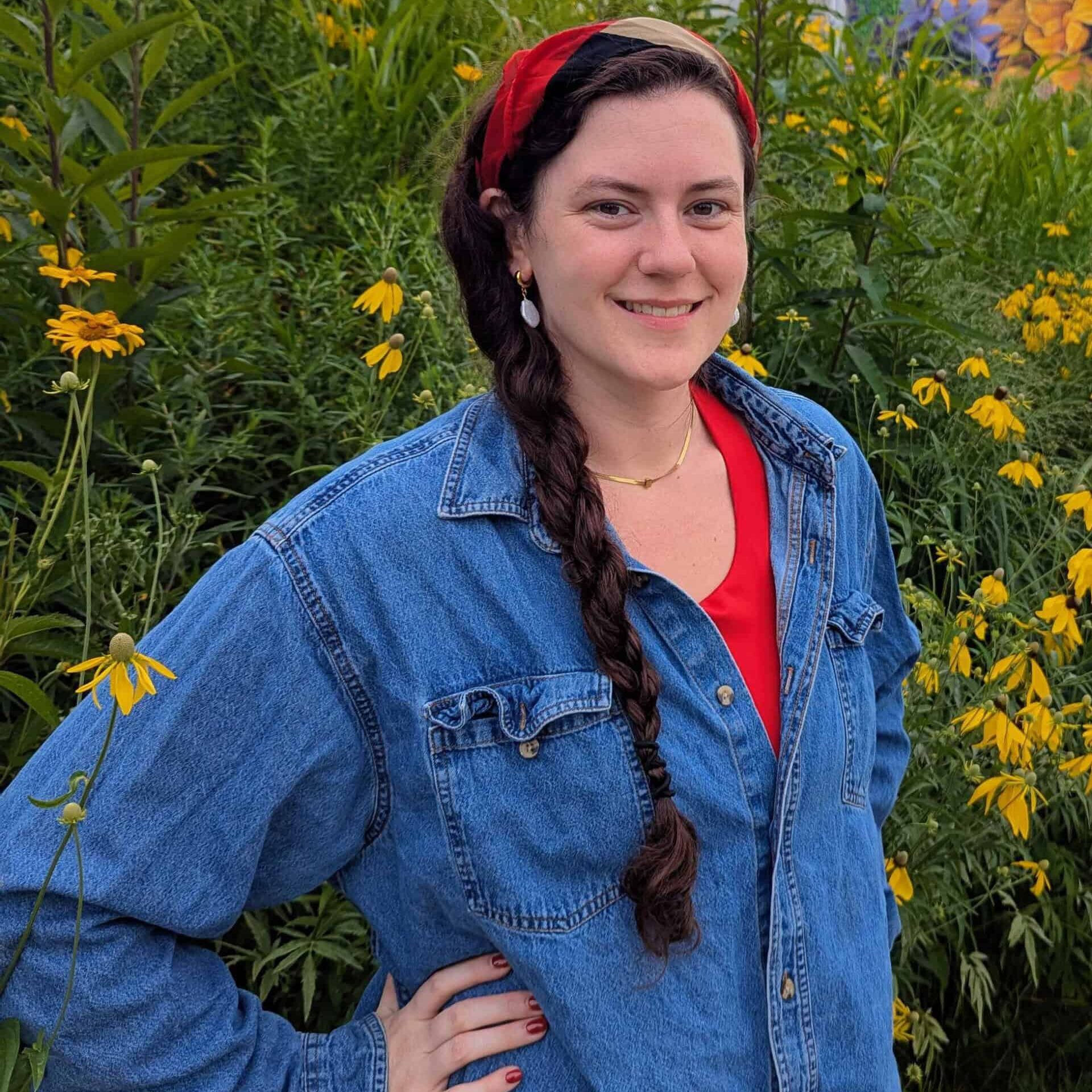
Krista De Cooke
Strategic Partnership & Science Lead
You Can Support Our Work
Your donation helps power initiatives like the HNP Schools Program and ensures we can continue advancing our mission where it’s needed most.