What We’re Learning as the Homegrown National Park Movement Grows
Est. Read Time: 7 minutes
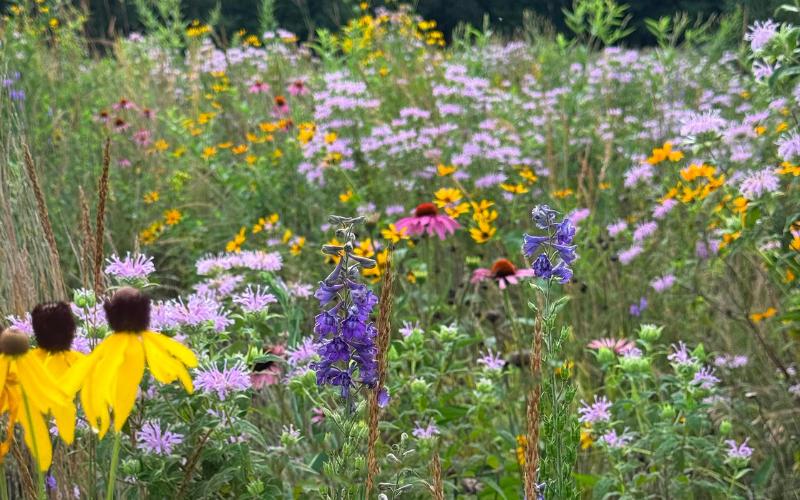
Cover Photo: Anonymous Contributor | Brooklyn, MI
As spring approaches and gardens begin waking up again, something else is becoming visible: the Homegrown National Park movement is starting to take shape in ways we couldn’t see just a few years ago.
Homegrown National Park is now a community of tens of thousands of people across the country. But it doesn’t move all at once. It grows through small decisions—someone planting their first milkweed, removing an invasive shrub, or deciding to talk with a neighbor about what they’re doing in their yard.
Those small decisions are how movements actually grow.
This year, we had a chance to look at those decisions more closely. More than 2,400 members of the Homegrown National Park community shared their experiences in our year-end survey. Their responses, combined with what we saw across our programs and partnerships, gave us a clearer picture of where this movement is headed.
And a few things stood out.
(If you’re curious, you can explore the full story in our 2025 Annual Impact Report).
It grows through small decisions—someone planting their first milkweed, removing an invasive shrub, or deciding to talk with a neighbor about what they’re doing in their yard.
Habitat Is Expanding — Where People Have Control
Across the country, thousands of people are restoring habitat in the places they have the most control: their yards, schools, campuses, community spaces, and places of worship.
Within the Homegrown National Park community, we continue to see the same pattern: when people begin restoring habitat, they rarely stop at one change. Many go on to remove invasive species, plant an oak, or talk with neighbors about what they’re doing.
When thousands of people follow that path, the impact becomes visible.
At a broader level, we now have more than 170,000 acres logged on the Homegrown National Park Biodiversity Map, with tens of thousands of individuals and hundreds of organizations participating.
It’s important to be honest about what this does—and doesn’t—mean.
Habitat destruction across the United States hasn’t suddenly stopped. Development continues. Landscapes continue to change.
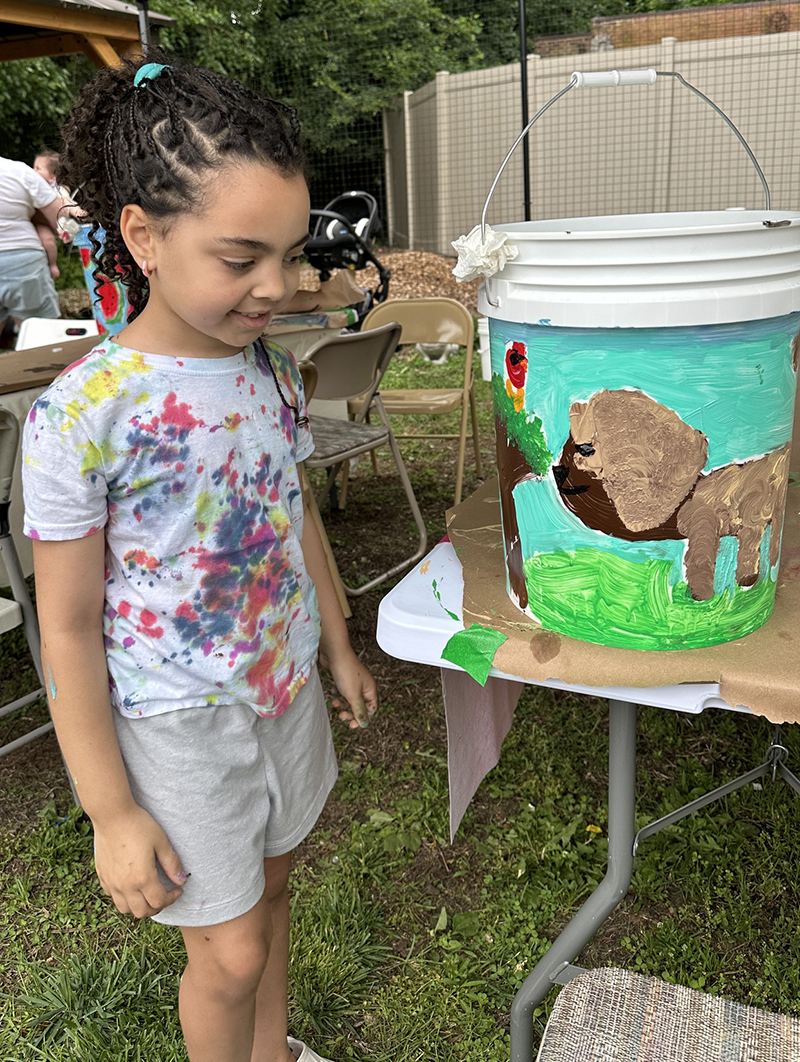
Barrington Green Team | Barrington, NJ
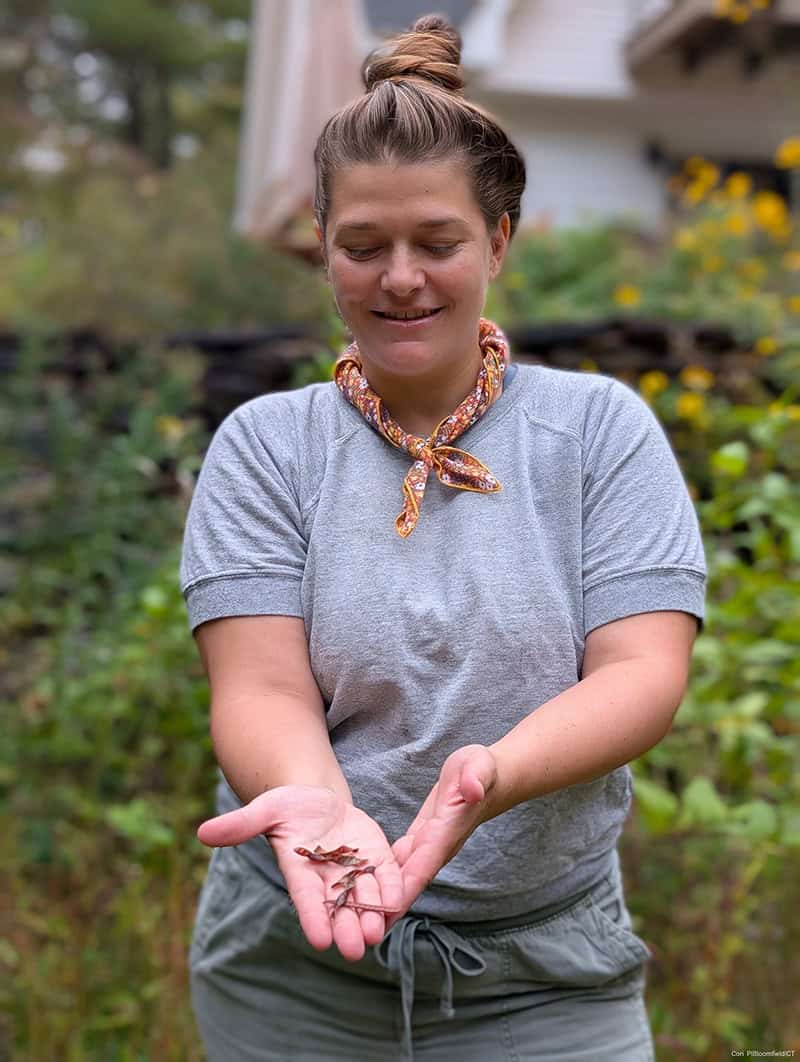
Cori Presutti | Bloomfield, CT
But what we’re seeing through this movement is different.
Where people have control, many are choosing to restore nature.
And when enough of those spaces change—yards, school grounds, corporate campuses, and community landscapes—they begin to connect, forming networks of habitat across neighborhoods and communities.
That’s the idea behind Homegrown National Park, a concept our cofounder Doug Tallamy introduced years ago. Our national parks are extraordinary, but even the largest protected areas are too small and too isolated to sustain biodiversity on their own. The solution isn’t replacing them–it’s extending them.
When people restore native habitats in the communities where they live, those spaces start to work together as something larger. That’s how we build the largest national park in the world—one yard at a time.
The Most Encouraging Signal: Wildlife Returning
One of the simplest survey findings may also be the most powerful.
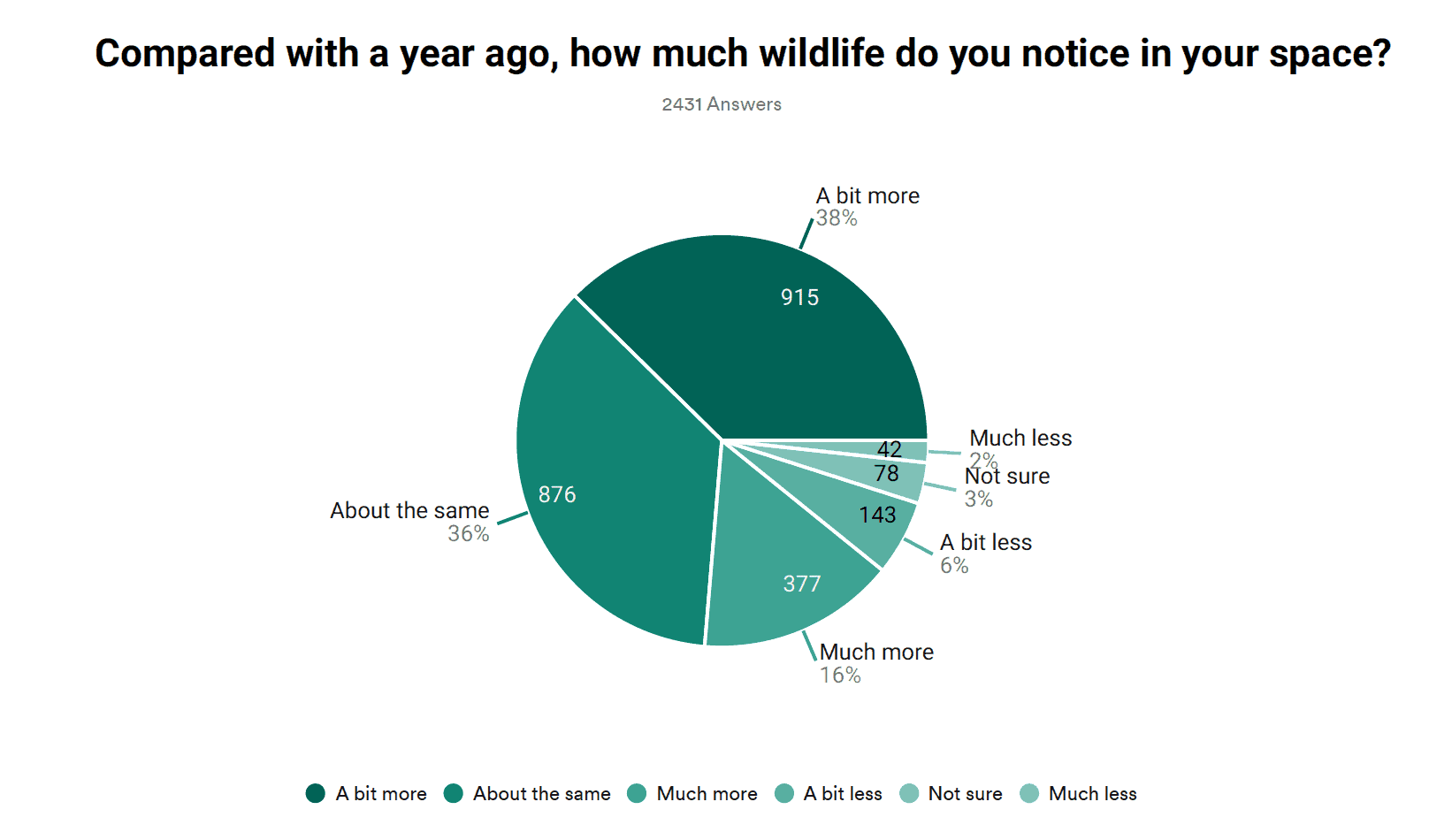
More than half of respondents reported seeing more wildlife in their space compared with the year before.
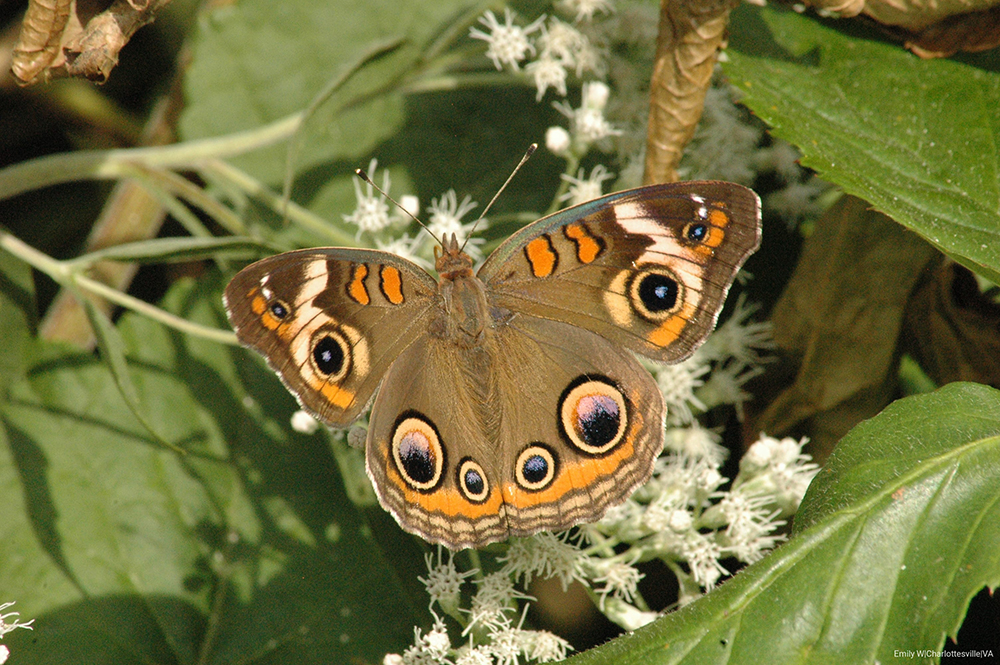
Emily Walz | Charlottesville, VA
People described noticing more bees and butterflies visiting flowers. Birds feeding and nesting nearby. Caterpillars and other insects returning to native plants.
Anyone who has restored habitat knows that moment when the landscape suddenly feels alive again. It’s a powerful feedback loop. When we see life returning, we keep going.
The Movement Is Growing Through Relationships
Another theme from the survey stood out to me.
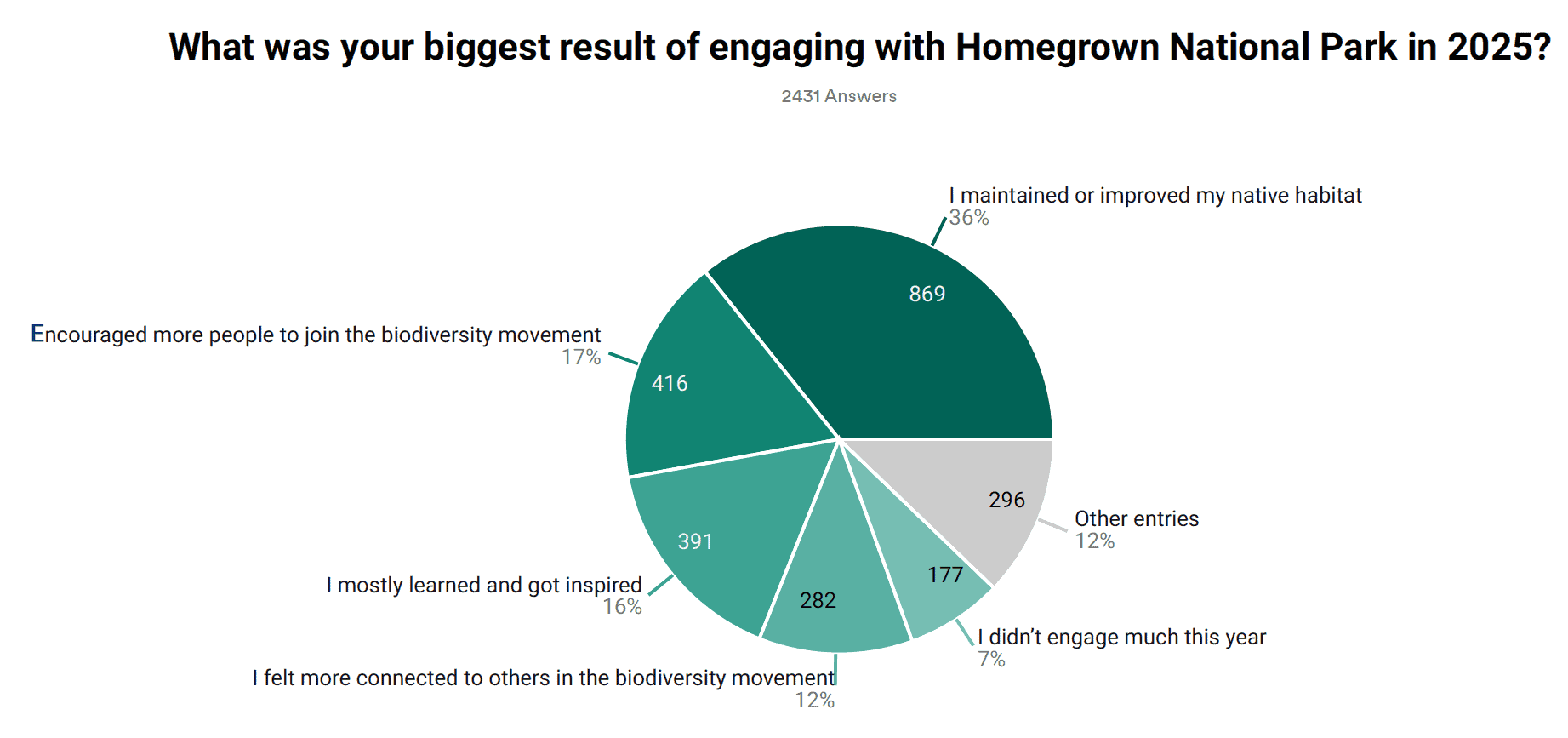
Hundreds of respondents said they had encouraged someone else to get involved—neighbors, friends, coworkers, or community groups.
This kind of change doesn’t spread because of marketing campaigns.
It spreads because of trust.
When someone sees their neighbor transform a yard and it still looks beautiful, it changes what feels possible. When a friend explains why they planted oaks or left the leaves in place, it carries a different weight than something you read online.
Those conversations build confidence. They build community.
And in a year when many people have felt the strain of division and uncertainty across the country, those local connections matter more than ever.
Restoring habitat is ecological work, but it’s also community work.
It spreads because of trust.
Where People Struggle
The survey also showed us where people need support.
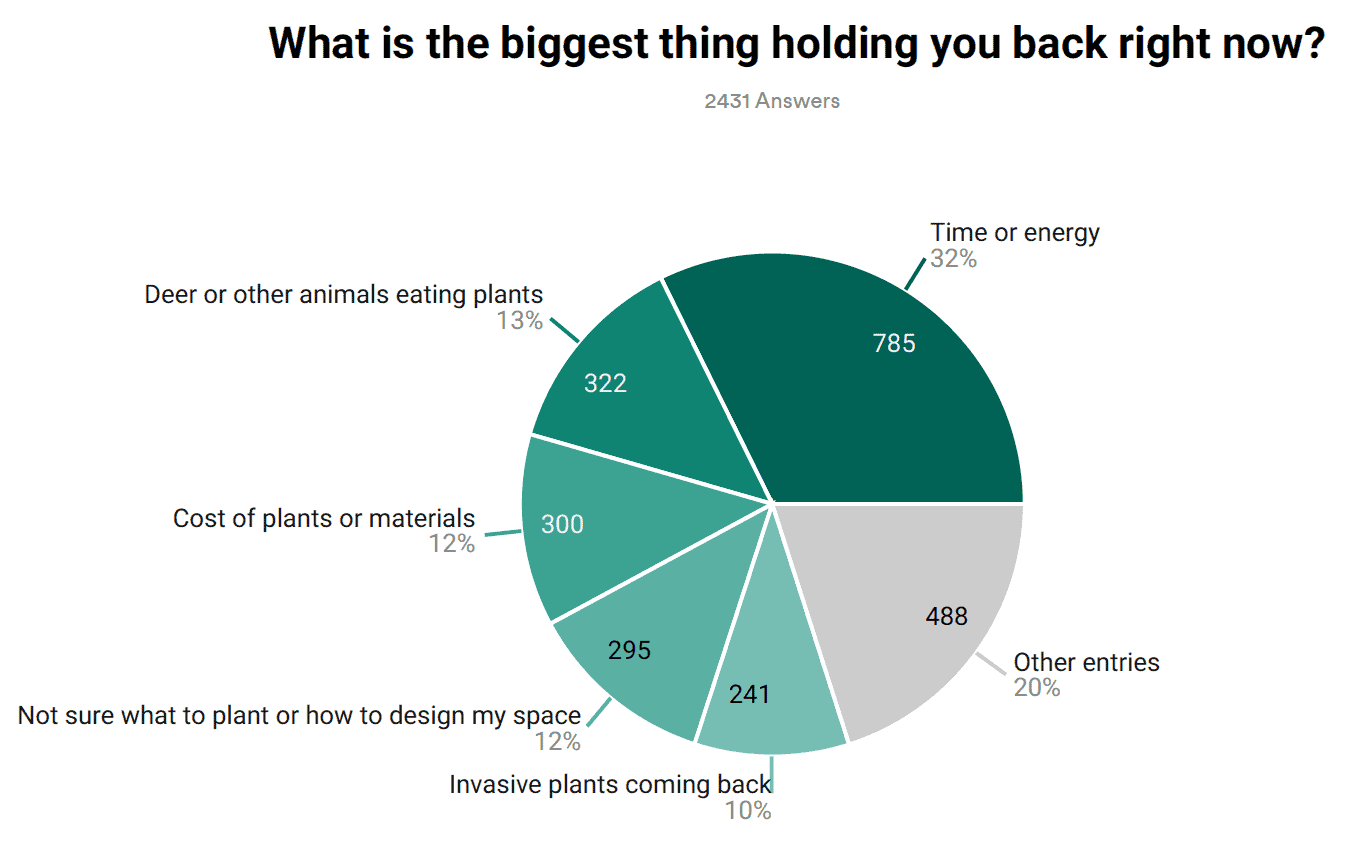
The biggest barriers weren’t ideological. They were practical.
People told us they struggle with:
- Time and energy
- The cost of plants and materials
- Deer and other animals eating plants
- And uncertainty about what to plant next or how to design their space
In other words, people care deeply about restoring nature. But they want help taking the next step.
The most common request for 2026 was help finding local native plant resources and services.
That insight is shaping much of what we’re focusing on moving forward.
Small Moments from This Year
Help shows up in many forms. Our tech volunteers may start by talking about bug fixing for the Biodiversity Map, but conversations quickly drift—to an insect someone saw that morning, a new bird in the yard, or a tray of native plant plugs ready to plant.
It’s a quiet reminder that restoring nature isn’t reserved for any single kind of expert. Coders, gardeners, scientists, students, and neighbors all have a role to play. Each brings their own knowledge and curiosity to the work of rebuilding habitat.
The Extraordinary Caterpillar
Another moment this year reminded me how powerful shared stories can be.
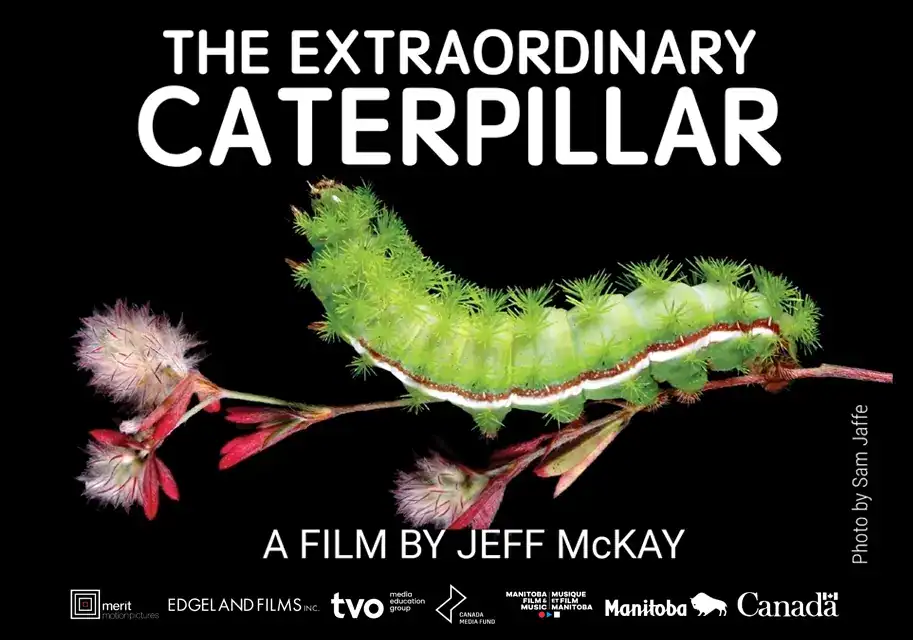
In January we launched the Extraordinary Caterpillar Campaign, a short film about the critical role insects play in sustaining life around us.
Nearly ten thousand people have already watched it, and something interesting is happening: people aren’t just watching the film—they’re hosting community screenings.
Neighbors gathering in living rooms. Garden clubs watching together. Local groups starting conversations about insects and food webs.
It’s exactly the kind of ripple effect we hope for.
When people see science through a compelling story, it becomes easier to explain and easier to act.
Where We’re Focusing in 2026
Over the past year we’ve also spent time refining where Homegrown National Park can make the biggest difference.
In 2026 we’re concentrating on three priorities.
Making the Biodiversity Map central to the experience
The Map is becoming the main entry point into the movement—helping people track their own progress, see the collective impact of others, and connect with local resources that make the next step easier.
Strengthening digital engagement
Through webinars, storytelling, and social media we’re helping more people move from awareness to action while amplifying the stories of people already restoring habitat.
Expanding major growth initiatives
Pilots with schools, HOAs, and community partners are showing how biodiversity restoration can extend beyond individual yards and become visible across entire communities.
These efforts aren’t meant to direct the movement.
They’re meant to support the people already building it.
One yard, one school, one community at a time, we are rebuilding the living networks that make this planet work.
A Personal Thank You
Before closing, I want to say something directly.
This movement exists because of the people who are part of it.
People experimenting in their yards.
People starting conversations with neighbors.
People helping their communities see landscapes differently.
People volunteering, donating, and sharing knowledge.
Often that work happens quietly.
But together it is helping rebuild the ecological networks that support birds, pollinators, and the countless other species that depend on healthy habitat.
And it’s helping rebuild something else as well: the sense that communities can come together to care for the places where they live.
Thank you for everything you did in 2025. And thank you for helping grow what comes next.
One yard, one school, one community at a time, we are rebuilding the living networks that make this planet work.