
Est. Read Time: 8 minutes
Growing the Movement with Biodiversity Education in Middle Schools
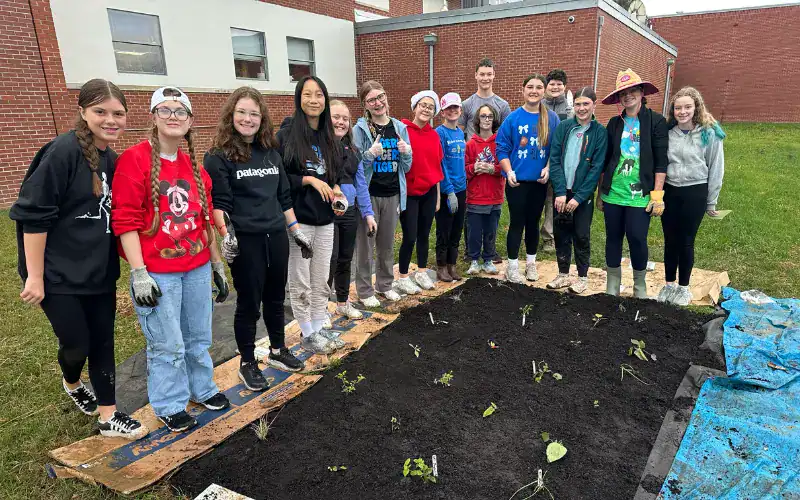
This year, Homegrown National Park launched something new and very close to our hearts. In partnership with an incredible group of teachers, students, and community organizations, we piloted the first year of the HNP Schools Program in the greater Chattanooga region. It is a hands-on, place-based conservation initiative that brings native plants, ecological literacy, and real habitat restoration directly into middle school classrooms.
This pilot was generously funded by the Riverview Foundation, whose support allowed us to recruit teachers, develop materials, install gardens, and build the foundation for a program that will continue to grow for years to come.
Today, we are excited to share what these teachers and students accomplished, how the program works, and why launching this work in the Southern Appalachians matters so much.
Why the Biodiverse Appalachians Are the Perfect Place to Begin
The Southern Appalachian region is one of the most biologically rich temperate zones on Earth. It is known for its incredible plant diversity, expansive forests, and the countless species that rely on them. These ecosystems hold some of the highest concentrations of salamanders, wildflowers, insects, and small mammals in North America.
Restoring native habitat in this region has exceptional ecological value. Every native plant added to a schoolyard strengthens the food web. Every insect supported in these gardens echoes outward into the landscape. When students in the Appalachians learn to restore biodiversity, they are caring for one of the most important ecological hotspots in the country.
Starting the HNP Schools Program here means students are rebuilding one of the most extraordinary ecosystems in the nation, right from their school grounds.
Empowering Students to Become Conservationists
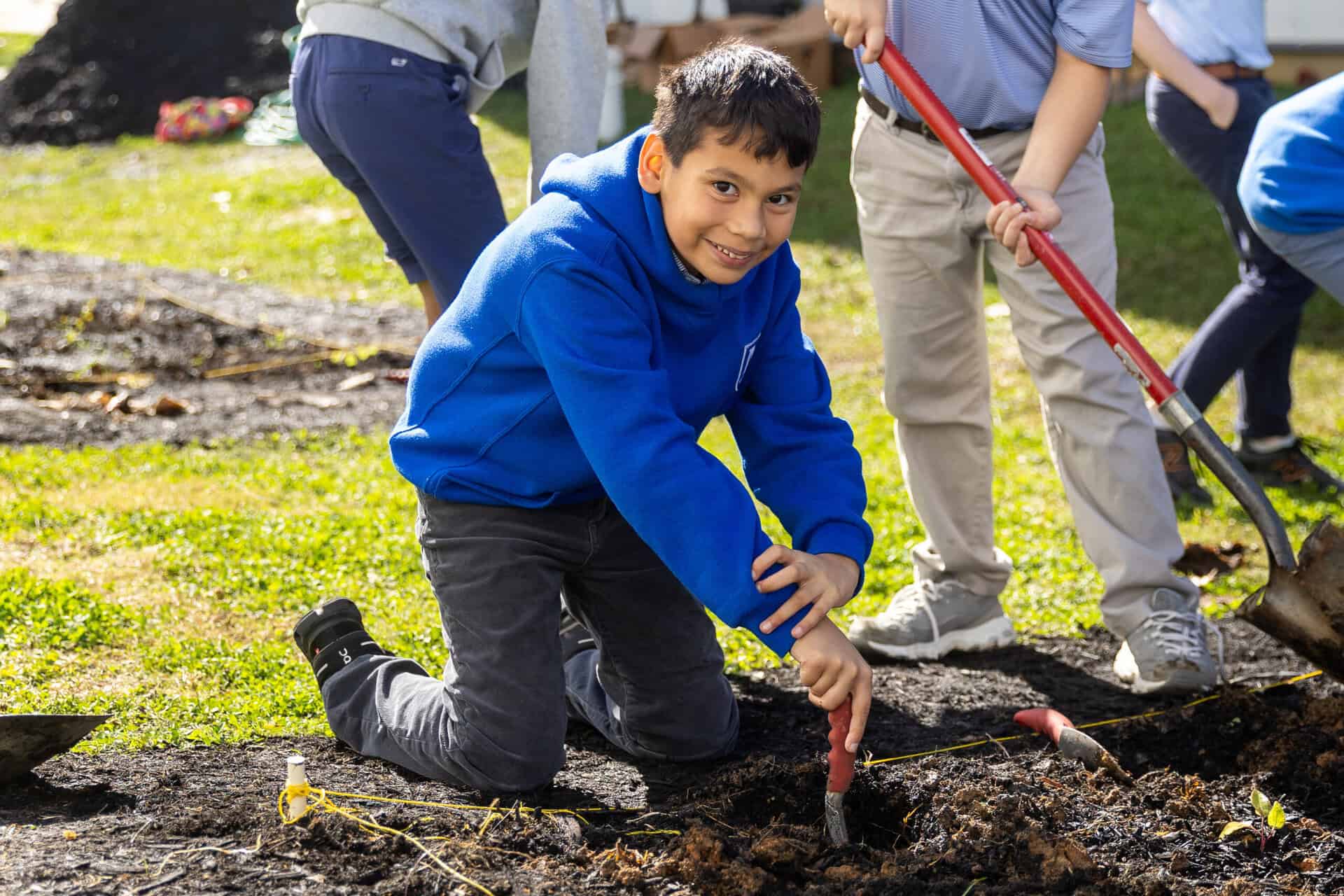
The biodiversity crisis requires more than awareness. It requires a generation of people who understand how ecosystems work and who feel empowered to restore them. The HNP Schools Program was created to put this knowledge and confidence into the hands of students by teaching them how to regenerate biodiversity where they live, learn, and play.
As the designer and program lead, Krista De Cooke, Strategic Partnership and Science Lead at Homegrown National Park, explains:
“Students light up when they realize they can take real action. Once they get their hands in the soil and see what they are capable of, something shifts. They stop thinking of conservation as something abstract and start seeing themselves as part of the solution.”
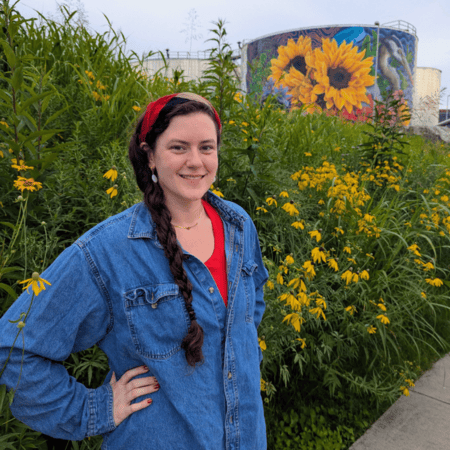
Krista De Cooke
Empowering Students to Become Conservationists
The biodiversity crisis requires more than awareness. It requires a generation of people who understand how ecosystems work and who feel empowered to restore them. The HNP Schools Program was created to put this knowledge and confidence into the hands of students by teaching them how to regenerate biodiversity where they live, learn, and play.
As the designer and program lead, Krista De Cooke, Strategic Partnership and Science Lead at Homegrown National Park, explains:
“Students light up when they realize they can take real action. Once they get their hands in the soil and see what they are capable of, something shifts. They stop thinking of conservation as something abstract and start seeing themselves as part of the solution.”
About the Schools
The pilot included a diverse mix of schools across the greater Chattanooga area. Some serve urban neighborhoods, others serve smaller rural communities, and several are magnet or specialty schools with strong interest in hands-on learning. This mix gave us a broad look at how students in different communities engage with ecological restoration.
Across all school types, teachers described the same outcome. Students were eager to participate, excited to learn outdoors, and proud to see the gardens they installed take root.
School grounds become outdoor classrooms where curiosity, science, and ecological restoration come alive.
How the Program Works
During the pilot year, students completed a 6 to 8 week unit on native plants, food webs, ecosystem relationships, and habitat restoration using the Symbiotic Schoolyard curriculum. The curriculum was adapted for the region’s ecology, which allowed students to learn about species found right outside their school doors.
To select plants, we worked with the Thriving Gardens initiative, using their regionally appropriate plant lists to choose species that directly support local insects, caterpillars, and wildlife.
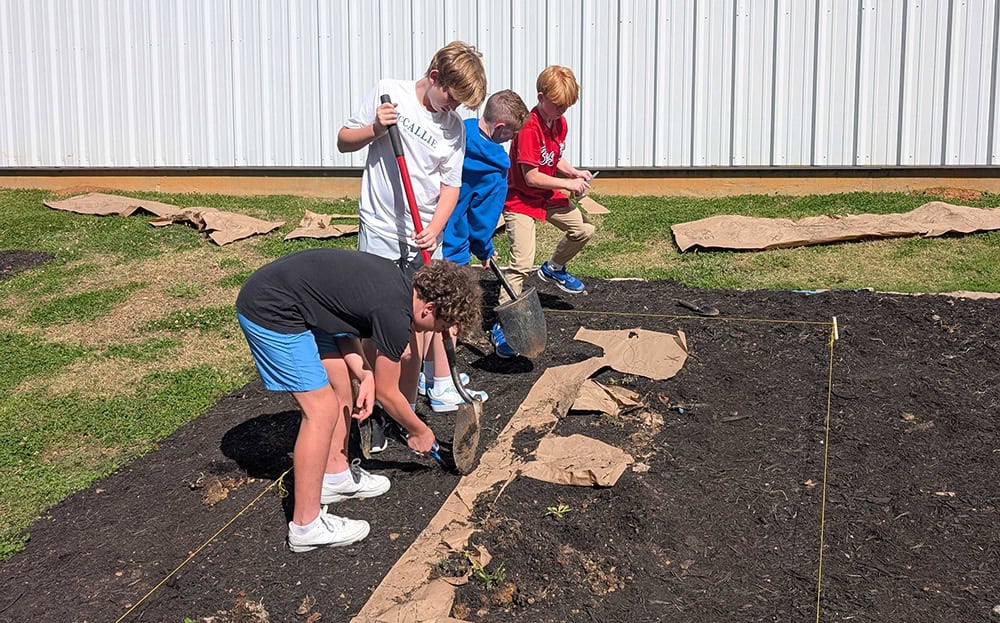
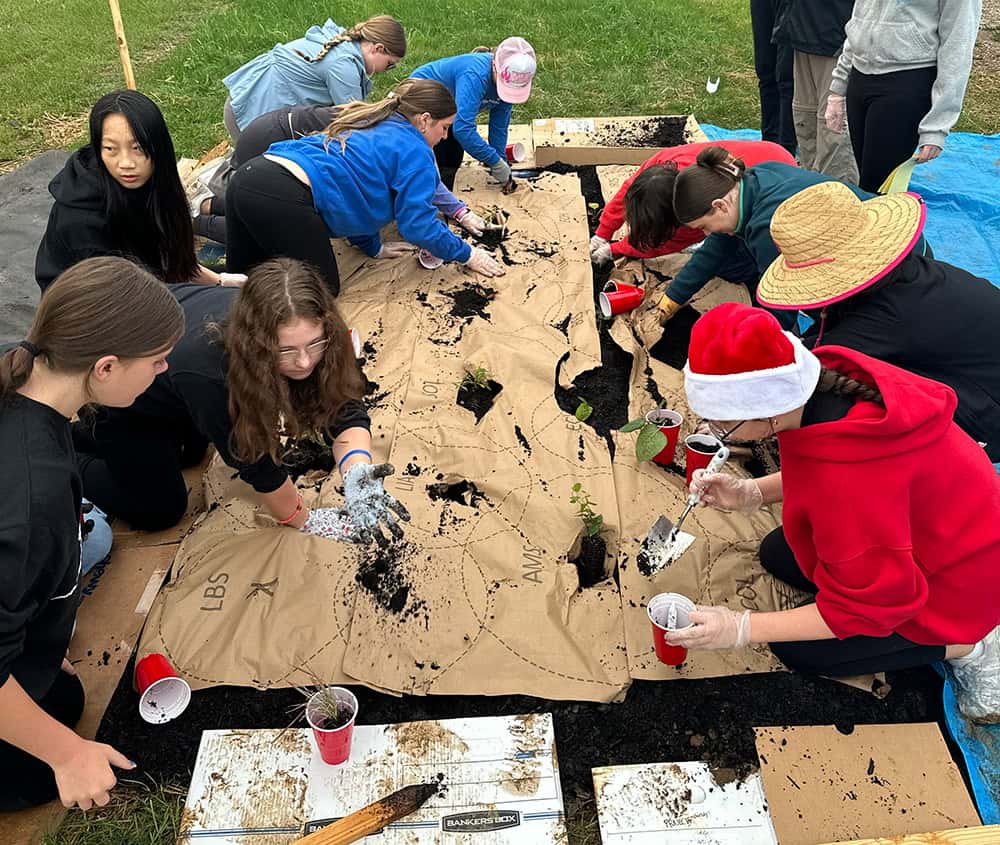
Each school installed a native plant garden using Ecoplantia Roll Out Gardens, which made planting accessible and efficient. Students prepared soil, removed invasive plants, laid out garden designs, and planted species that will support wildlife for years to come.
By the end of the year, students were not only learning about biodiversity—they were restoring it.
Year One Impact
The pilot engaged 8 teachers and more than 650 students across 7 schools in the greater Chattanooga region. Together, they installed 7 native plant gardens and established hundreds of plants that will support wildlife and create living outdoor classrooms.
Teacher growth was significant. Survey results show:
- Familiarity with native plants increased from 3.0 to 4.8 out of 5
- Confidence teaching biodiversity increased from 2.8 to 4.8
- Intent to continue biodiversity lessons averaged 4.8
- Teachers consistently described Planting Day as the moment when everything clicked for students
Student learning also showed meaningful gains:
- Awareness of biodiversity increased to 4.3 out of 5
- Students connected deeply with hands-on work and understood their role in restoring habitat
- Many classes now ask daily to visit their gardens to check on growth and water plants
Teacher reflections capture the enthusiasm this program sparked:
From Our Pilot Educators
Hear From Our Pilot Educators
On the HNP Biodiversity Map
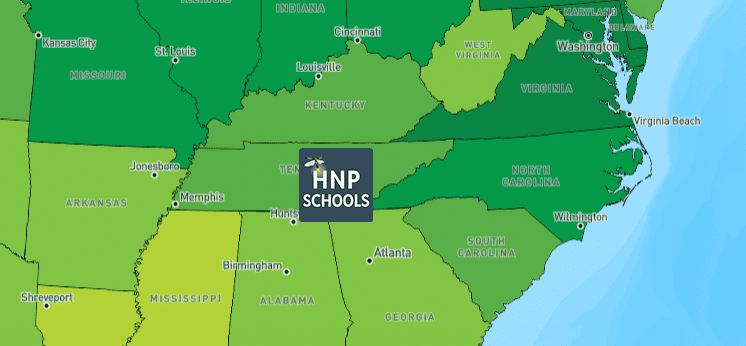
This program has joined thousands of efforts nationwide working to restore biodiversity. Explore the pilot Schools Program location and impact within the larger Homegrown National Park movement and get inspired to add your own yard!
A Sustainable, Scalable Model
The HNP Schools Program is designed to be repeatable, low cost, and community rooted. The model unfolds in two phases.
Phase 1: Education and Installation (Pilot)
Teachers receive training and a regionally adapted version of the Symbiotic Schoolyard curriculum. Students explore native plants, food webs, and habitat creation, then install a native garden on school grounds.
Phase 2: Propagation and Community Capacity Building
In future years, students will collect seeds from their gardens and learn to propagate native plants. These student-grown plants will travel into neighborhoods, homes, and community spaces. Over time, each school becomes a micro-nursery that strengthens biodiversity across its area.
Local partners such as the Thrive Regional Partnership and the Wild Ones Smoky Mountain Chapter helped us identify participating teachers and schools and supported the program throughout the pilot year.
What Comes Next
We are thrilled to share that Homegrown National Park has received a Garden Futures Grant, which allows us to support our current cohort of teachers for another year! This means continued curriculum use, garden care, seed collection, propagation, and deeper ecological learning.
Our vision for expansion includes:
- Adding new schools and districts throughout the region
- Supporting multi year cohorts as gardens grow and mature
- Developing a digital resource library for teachers and students
- Creating teacher training modules that support national scale
- Strengthening biodiversity monitoring and student led data collection
The program is designed to grow. Each new teacher trained, each new garden planted, and each new student who propagates a native plant expands the reach of this movement.
The Schools Program helps young people see themselves as stewards of the land—capable of restoring biodiversity right where they live and learn.
Interested in Funding Or Sponsoring A School?
We are actively seeking partners who want to support youth engagement, biodiversity education, and native planting in school communities.
To learn more, contact:
Krista De Cooke
Strategic Partnership & Science Lead krista@homegrownnationalpark.org
Interested in Funding Or Sponsoring A School?
We are actively seeking partners who want to support youth engagement, biodiversity education, and native planting in school communities.
To learn more, contact: Krista De Cooke
Strategic Partnership & Science Lead
krista@homegrownnationalpark.org
HNP Schools Program Supporters & Partners




Great job! We with the Acadiana Native Plant Project down here in Lafayette Louisiana share your enthusiasm for the Symbiotic Schoolyard program and applaud your support and reporting on them. We too have piloted the curriculum by recruiting two local teachers who used it last year. The mentor teacher among our volunteers did a great job getting them started and feels confident that both will be using the curriculum going forward. One thing that was important to us in selecting this curriculum was that it could be adapted for our specific ecosystems and did not use generic plant species more relevant elsewhere. That presents the main hurdle to widespread adoption: most teachers don’t have enough experience with local native plants to confidently administer the program without a mentor who is. This curriculum (with our great mentor Louise) was a great way to get support on its way to local teachers quickly, as we thought we would have to develop our own curriculum to forward this aspect of our mission.