


Press & Media
Mosquito Bucket Challenge 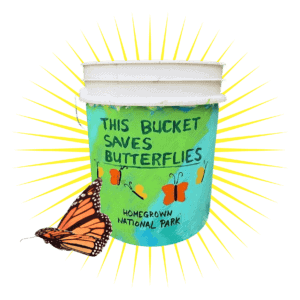
Mosquito Bucket Challenge
Join thousands reducing mosquitoes without fogging—in your own yard.
A project by Homegrown National Park
Home | Build a Bucket | Share | Efficacy | Media
This page provides media resources for coverage of the Mosquito Bucket Challenge.
Quick Overview
The Mosquito Bucket Challenge is a nationwide campaign led by Homegrown National Park to promote a simple, low-cost way to reduce mosquitoes where they begin: standing water.
Instead of broad pesticide spraying, the method targets mosquito larvae directly using a biological control (Bti). Homeowners place buckets in their yards, helping reduce mosquito breeding while avoiding broader ecological impacts.
The approach is simple, accessible, and designed to spread through communities.
Media Contact
For interviews or additional information:
Jessie Eagan
Communications Coordinator, Homegrown National Park
jessie@homegrownnationalpark.org
317-488-7349
Fast Facts
- Targets mosquitoes at the larval stage
- Uses Bti, a widely used biological control
- Avoids fogging and broad pesticide spraying
- Safe for people, pets, and pollinators when used properly
- Low-cost and accessible
- Scales from individual yards to communities
- Part of the Homegrown National Park movement
Why It Matters
Many mosquito control methods rely on broad spraying, which can affect more than just mosquitoes and may not address the source of the problem.
The Mosquito Bucket Challenge focuses on where mosquitoes reproduce—helping reduce populations without impacting the broader ecosystem.
How It Works
Attract
Mosquitoes lay eggs in standing water
Treat
Bti prevents larvae from developing
Reduce
Fewer mosquitoes reach adulthood
Quotes
“People are frustrated with mosquitoes, but they don’t want to harm pollinators and wildlife or expose children and pets to unnecessary chemicals. This gives homeowners a simple step to reduce mosquitoes while protecting the life in their yard.”
— Tim Snyder, Executive Director, Homegrown National Park
“Many mosquito control methods kill beneficial insects that support birds and healthy ecosystems. The Mosquito Bucket Challenge offers a practical way to reduce mosquito breeding while protecting the insects that wildlife depends on.”
— Doug Tallamy, ecologist and co-founder, Homegrown National Park
“The Mosquito Bucket Challenge is one of those rare actions that is simple, accessible, and genuinely impactful. It brings people together, whether it’s families working side by side or neighbors comparing notes, and turns something small into a shared effort to reduce harm and support biodiversity.”
— Krista De Cooke, Director of Partnerships & Strategy, Homegrown National Park
How The Challenge Is Spreading
The Mosquito Bucket Challenge is designed to spread through simple, visible action.
Participants build a bucket, place it in their yard, and share it with neighbors, friends, and online communities. Many also host events or introduce the concept through schools and local groups.
This creates a ripple effect—turning individual action into neighborhood- and community-scale impact.
Campaign Momentum
- 2.5M+ social impressions
- 350,000+ page views
- Thousands of buckets built and shared
- Community events across the country
Press Release
[Download press release (PDF)]
FOR IMMEDIATE RELEASE
A Reused Bucket Vs. Mosquito Fogging: New National Campaign Offers Wildlife-Friendly Alternative
Homegrown National Park launches “Mosquito Bucket Challenge” as Americans look for safer ways to control mosquitoes
As mosquito season ramps up across the United States, a new national campaign is encouraging homeowners to rethink how they fight back—without harming pollinators, fireflies, and other beneficial wildlife.
The Mosquito Bucket Challenge, launched by Homegrown National Park, promotes a simple method that targets mosquitoes where they start: standing water.
The approach is straightforward. A reused bucket filled with water, organic material, and a mosquito dunk containing Bti (Bacillus thuringiensis israelensis) attracts mosquitoes to lay eggs—then stops larvae from developing.
It’s a sharp contrast to mosquito fogging, a common but short-lived solution that kills adult mosquitoes while leaving the next generation untouched—and can harm non-target insects.
“People are frustrated with mosquitoes, but they don’t want to harm pollinators and wildlife or expose children and pets to unnecessary chemicals,” said Tim Snyder, Executive Director of Homegrown National Park. “This gives homeowners a simple step to reduce mosquitoes while protecting the life in their yard.”
Americans spend hundreds of millions of dollars each year on mosquito control, much of it on repeated spraying that doesn’t address the root of the problem.
“People hate mosquitoes, and understandably so,” said Doug Tallamy, ecologist, bestselling author of Nature’s Best Hope, and co-founder of Homegrown National Park. “But many mosquito control methods also kill beneficial insects that support birds and healthy ecosystems. The Mosquito Bucket Challenge gives homeowners a practical way to help reduce mosquito breeding while protecting the insects that wildlife depends on.”
The campaign encourages people to build a bucket, then challenge neighbors and friends to do the same—turning individual action into neighborhood-scale impact.
Organizers emphasize the method is not a silver bullet, but part of a broader approach that includes eliminating standing water, using fans or protective clothing, and supporting natural predators.
“The goal isn’t to eliminate every mosquito,” Snyder said. “It’s to give people a smarter, more targeted option so they don’t feel like spraying is their only choice.”
Participants can learn how to build a mosquito bucket and join the challenge at:
https://HomegrownNationalPark.org/mosquito-bucket-challenge
ABOUT HOMEGROWN NATIONAL PARK
Homegrown National Park catalyzes people to plant native and remove invasive plant species at home and in their communities—one of the most impactful actions anyone can take to restore and protect the natural habitats that support all life.
Grounded in the science of renowned ecologist Doug Tallamy and co-founded with Michelle Alfandari, Homegrown National Park demonstrates how restoring native plant communities supports the insects, birds, and other wildlife that keep ecosystems—and people—healthy. This work is essential to safeguarding the natural systems we all depend on: clean air and water, food production, and climate stability.
Through our Biodiversity Map and practical tools, we support individuals, organizations, and communities in taking meaningful, science-backed actions as part of a growing, collective movement to make native habitat restoration mainstream.
Learn more at: https://HomegrownNationalPark.org/
Media contact:
Jessie Eagan
Communications Coordinator
jessie@homegrownnationalpark.org
317-488-7349
Experts & Media Spokesperson
Krista De Cooke, MS, MBA
Director of Partnerships & Strategy, Homegrown National Park
- Primary spokesperson for the Mosquito Bucket Challenge
- Available for interviews and media inquiries
Krista De Cooke leads partnerships and strategic initiatives at Homegrown National Park, helping scale national campaigns that translate ecological science into practical action. She has played a central role in expanding the Mosquito Bucket Challenge by building partnerships and engaging communities in a simple, low-cost approach to reducing mosquito breeding.
With training in ecology and business strategy, her work focuses on making biodiversity solutions accessible, actionable, and widely adopted.
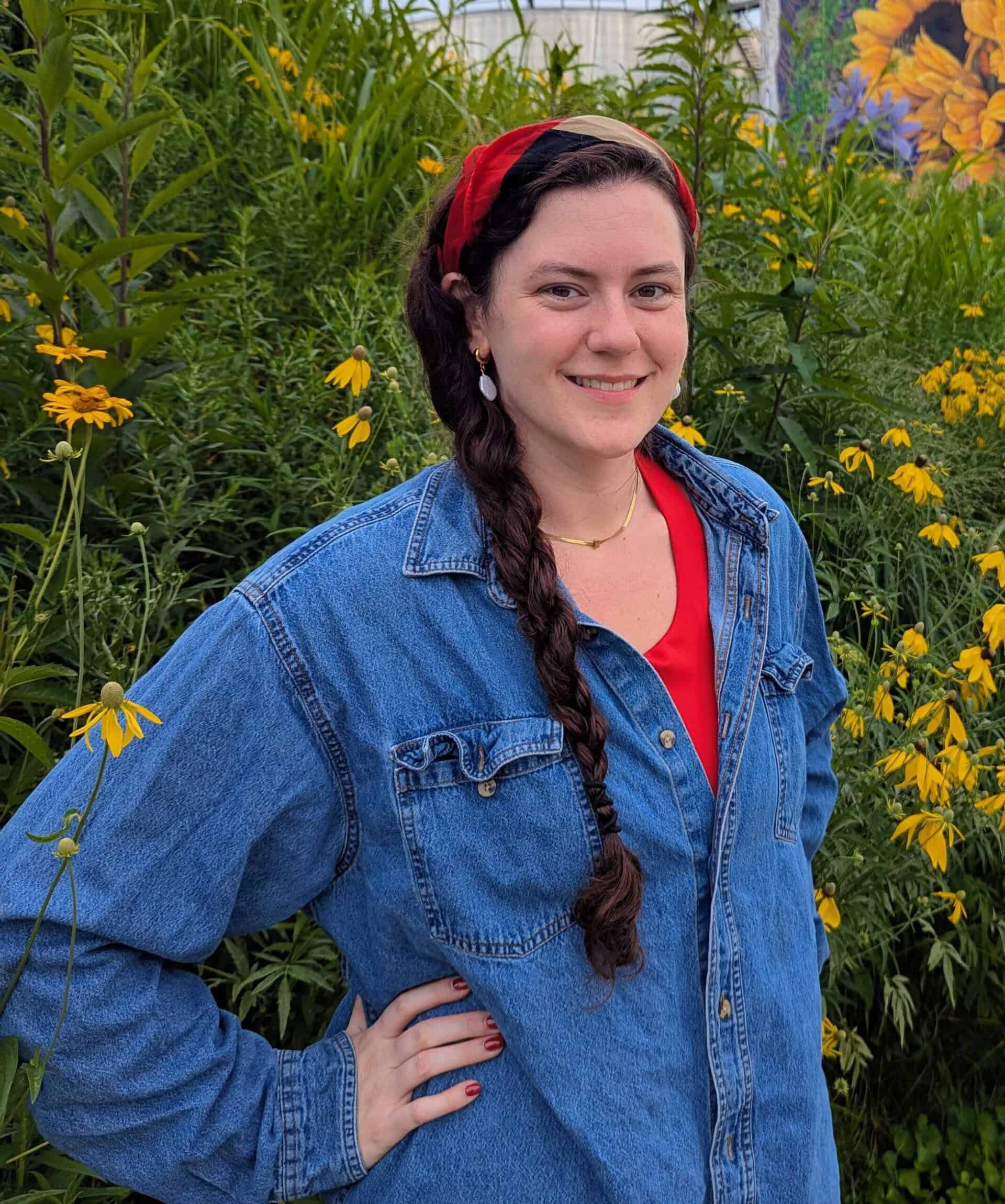
Doug Tallamy
Ecologist, bestselling author of Nature’s Best Hope, and co-founder of Homegrown National Park
Doug Tallamy is a nationally recognized expert on biodiversity and the role of native plants in supporting wildlife. His work has helped shape how homeowners and communities think about conservation, emphasizing practical actions that can be taken at home. He co-founded Homegrown National Park to advance science-based approaches that support ecosystems and the species that depend on them.

Tim Snyder
Executive Director, Homegrown National Park
Tim Snyder leads Homegrown National Park, guiding the organization’s strategy and growth as it works to make biodiversity-supporting actions accessible at scale. With experience across nonprofits, technology, and community-driven initiatives, he brings a combination of strategic vision and hands-on leadership to expanding programs like the Mosquito Bucket Challenge.

High-resolution headshots are available for media use.
Download headshots (ZIP)
Challenge Images
High-resolution images are available for media use. Please include the listed credit for each image.
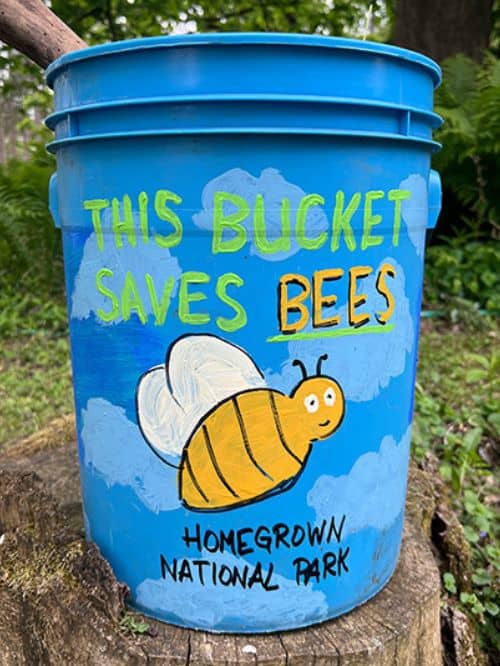
A decorated mosquito bucket created as part of the Mosquito Bucket Challenge to reduce mosquito breeding without spraying.
Credit: Homegrown National Park
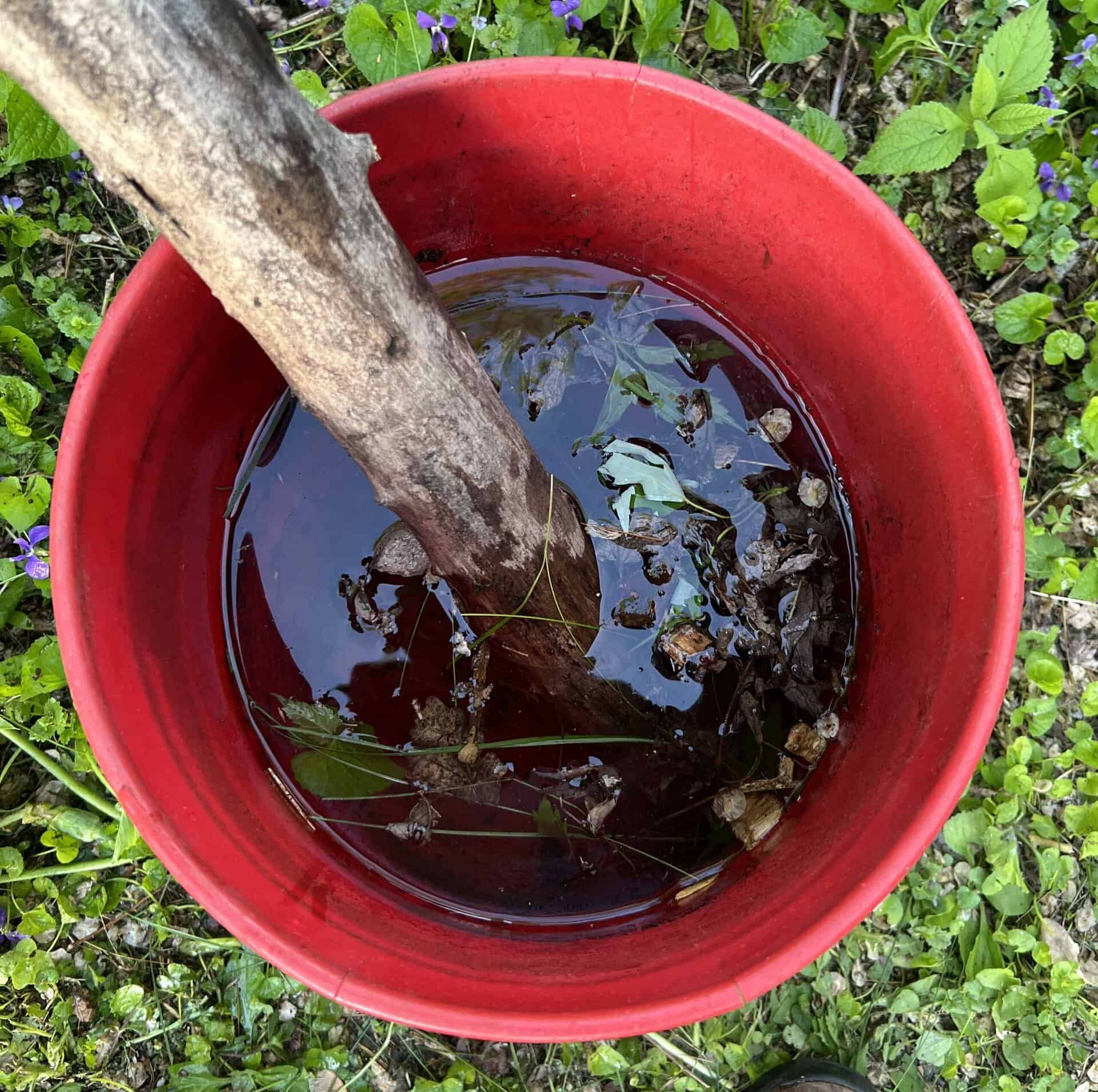
A mosquito bucket containing water, organic material, and a mosquito dunk (Bti) to prevent larvae from developing into adult mosquitoes.
Credit: Homegrown National Park
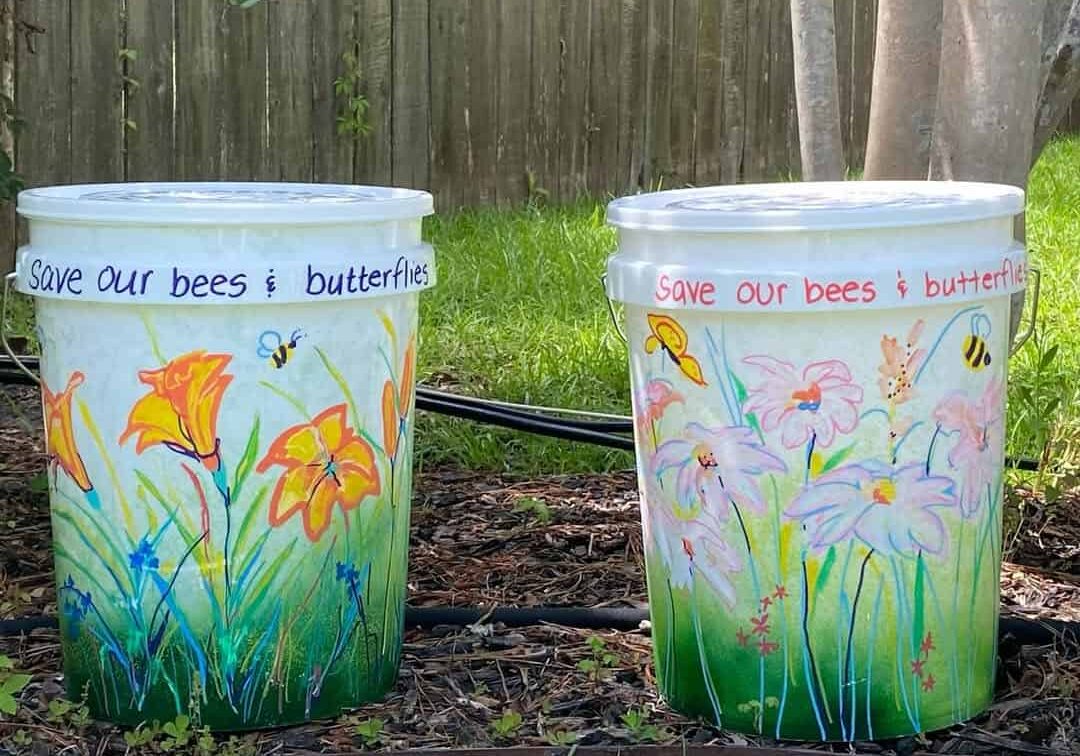
Mosquito buckets placed in a yard to help reduce mosquito populations at the source.
Credit: Judy McSween / Homegrown National Park
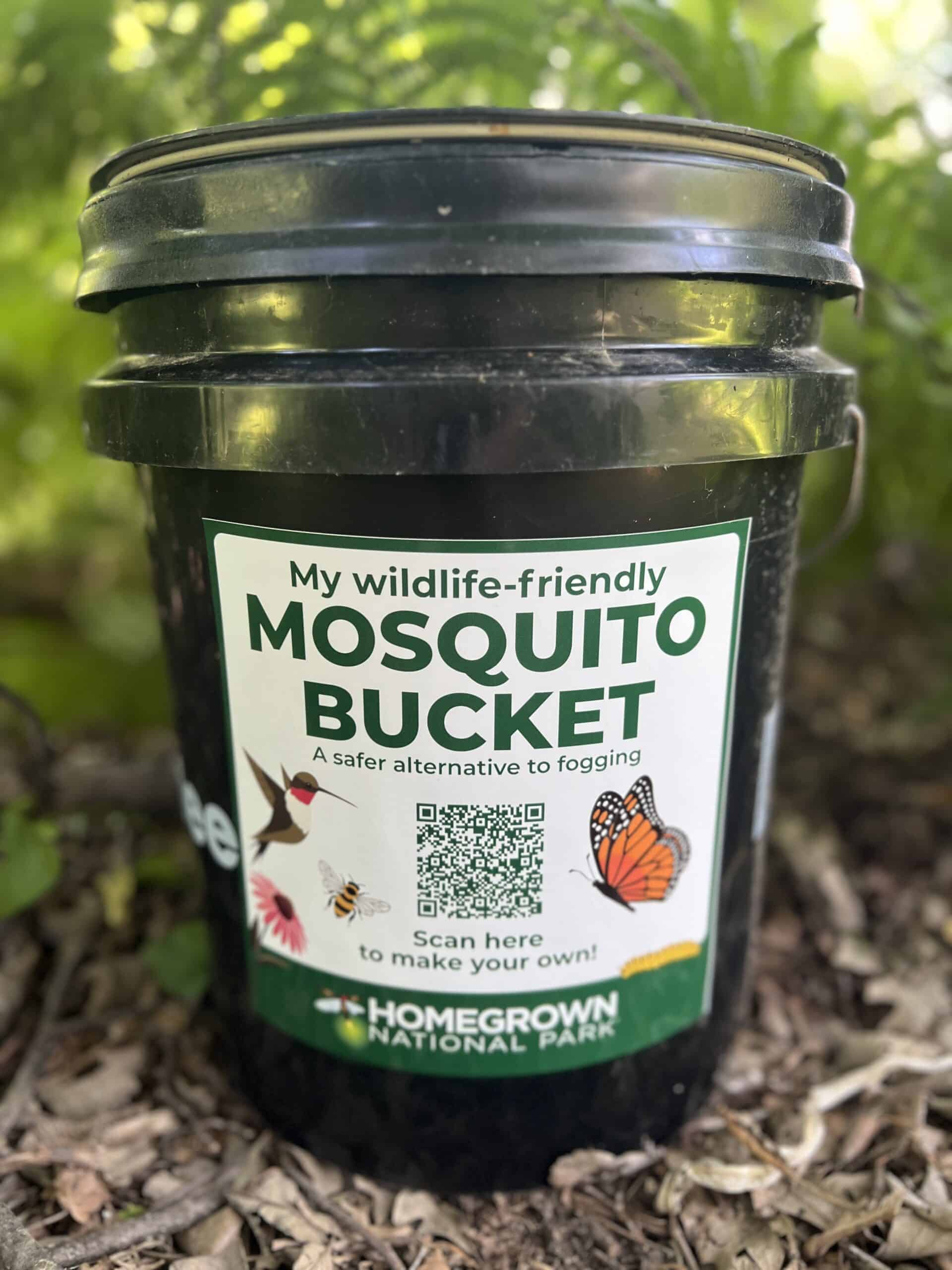
A mosquito bucket placed in a backyard using a labeled, low-cost setup designed to reduce mosquito breeding without fogging or spraying.
Credit: Homegrown National Park
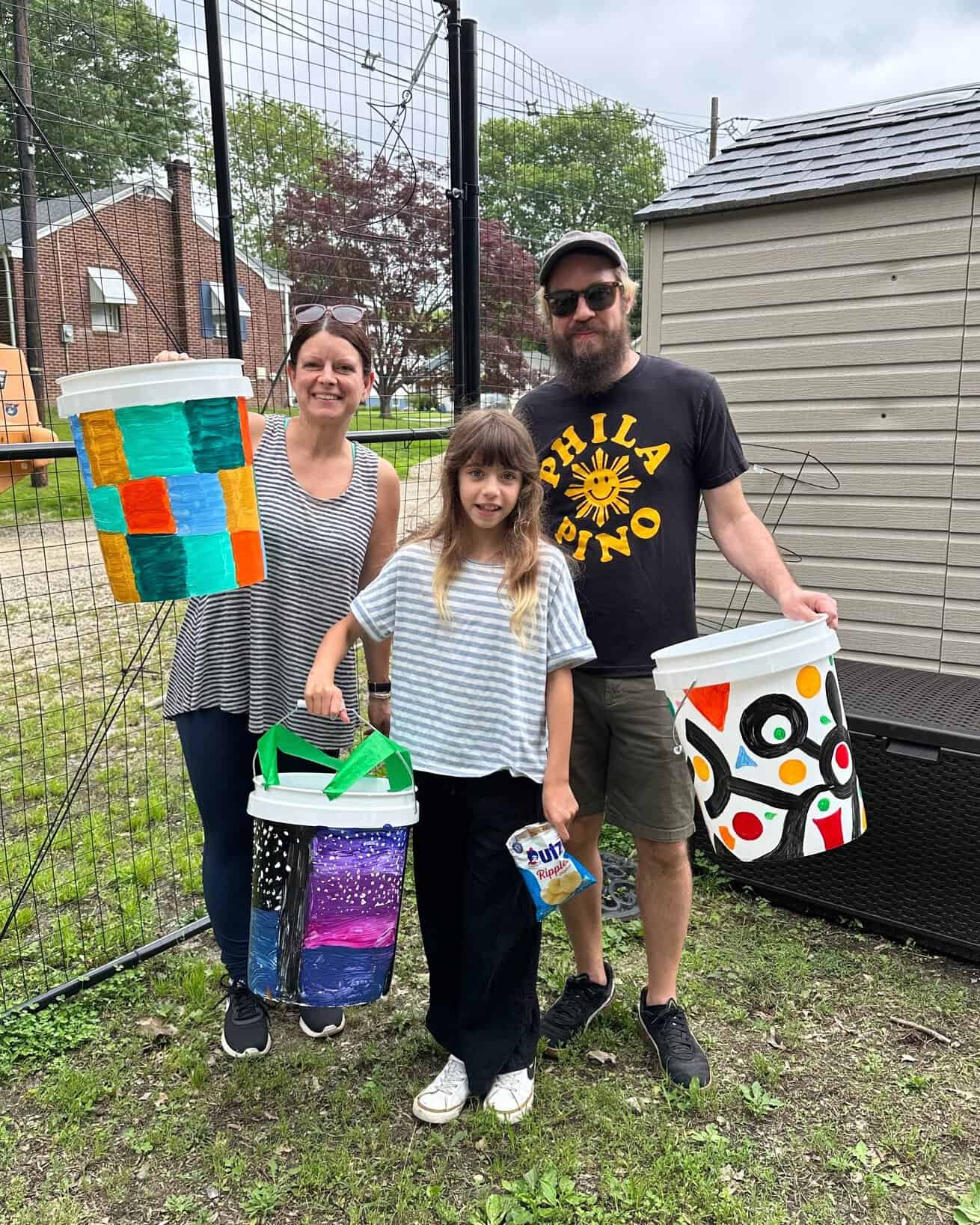
Participants display mosquito buckets as part of a community-driven effort to reduce mosquito populations at the source.
Credit: Barrington NJ Green Team / Homegrown National Park
Logos


Videos
These videos may be embedded or used in coverage.
Mosquito Bucket Challenge Overview (0:51)
A short explainer showing how the method reduces mosquito breeding without spraying.
How to Build a Mosquito Bucket (0:52)
A simple demonstration of how to set up a mosquito bucket at home.
Why Use Mosquito Buckets (1:05)
Explains the limitations of fogging and the benefits of a more targeted approach.
How to Describe the Campaign
- A low-cost alternative to mosquito fogging
- A targeted approach to mosquito control
- A growing national campaign
- A simple method that reduces mosquitoes at the source
Story Ideas
• A backyard alternative to mosquito fogging
• Protecting fireflies and pollinators from pesticide exposure
• A national homeowner-driven environmental campaign
• Turning mosquito frustration into ecological action
• How small yard changes can support biodiversity
Science & Background
The Mosquito Bucket Challenge is based on established mosquito management principles, including the use of Bti to target mosquito larvae and the use of container traps to attract egg-laying mosquitoes.
It is not a silver bullet, but a practical step homeowners can take as part of responsible mosquito management.