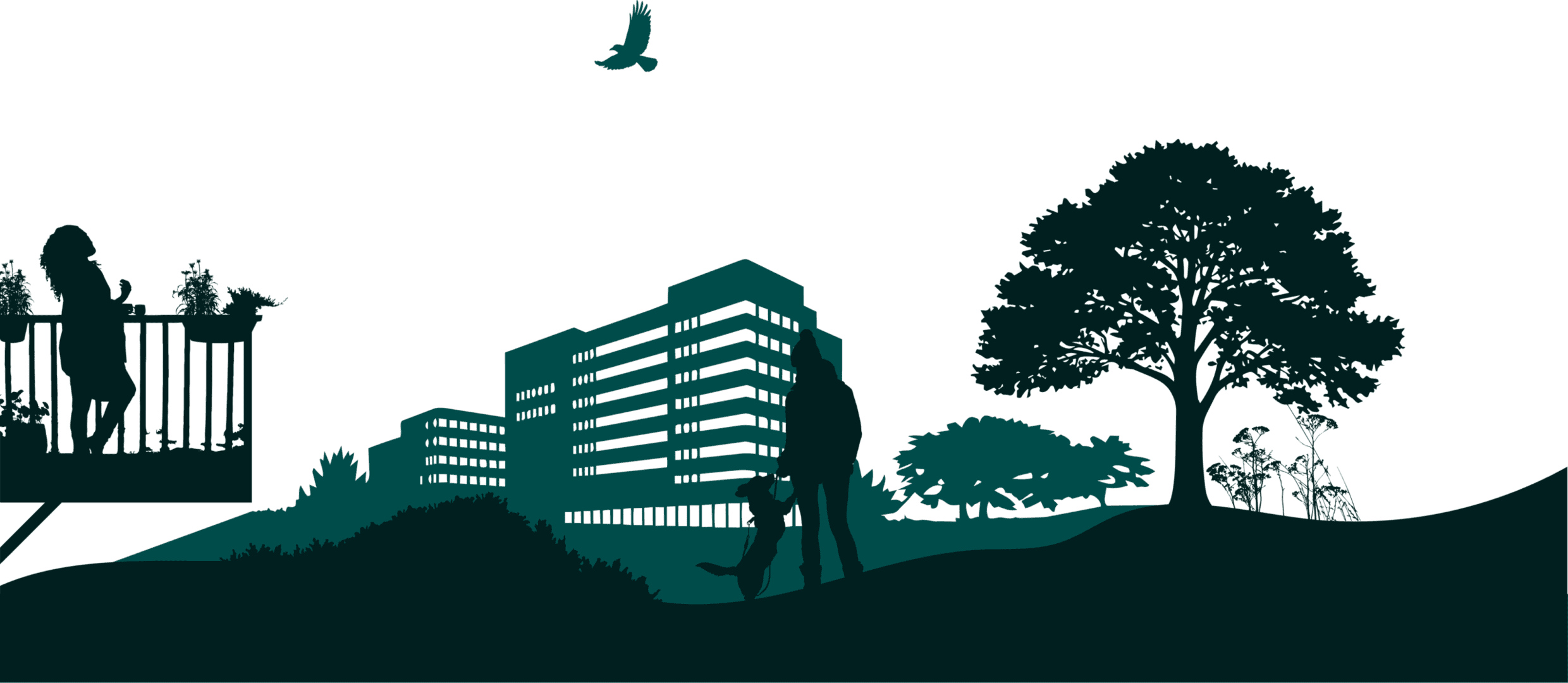


It started with a simple realization
Our national parks, as important as they are, are too small and too isolated to sustain biodiversity on their own.
This idea, introduced by Professor Doug Tallamy, led to a new way of thinking about conservation: what if we extended the concept of a national park into the places where we live?
Co-Founders
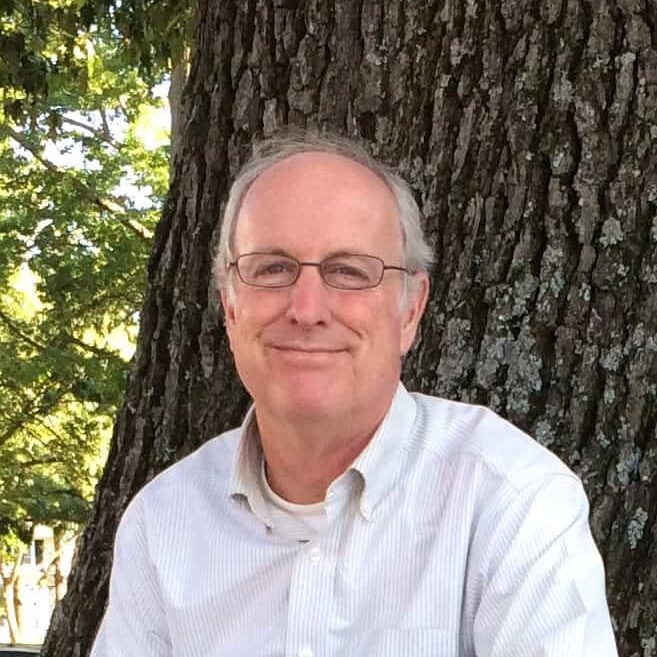
Doug Tallamy
Professor Doug Tallamy, ecologist and cofounder, introduced the idea behind Homegrown National Park. His research showed that native plants are essential to sustaining biodiversity, and that conservation efforts alone are not enough. He proposed a new model: restore habitat where people live.

Michelle Alfandari
Michelle Alfandari, cofounder and a marketing and strategic business development professional, helped bring this idea to life as a national movement. She built the platform, partnerships, and programs that make it possible for individuals and organizations to take part, turning a scientific concept into accessible, collective action.
Together, they transformed a research-driven insight into a grassroots movement with growing reach.
From protected places to shared responsibility
For decades, conservation focused on protecting land away from people. Today, the opportunity—and the necessity—is different.
Most land is privately owned, which means restoring biodiversity depends on what happens in the spaces people manage every day.
This shift reframes conservation as a shared responsibility, where individual actions contribute to a larger ecological system.
A grassroots approach to a global problem
Homegrown National Park was built as a people-powered movement. It does not rely on large-scale policy or distant solutions. Instead, it grows through individual and community action.
This approach is local, visible, and shared. Each effort contributes to something larger, connecting people across regions through a common goal.
The Biodiversity Map
From the beginning, connecting and tracking individual efforts has been central to Homegrown National Park.
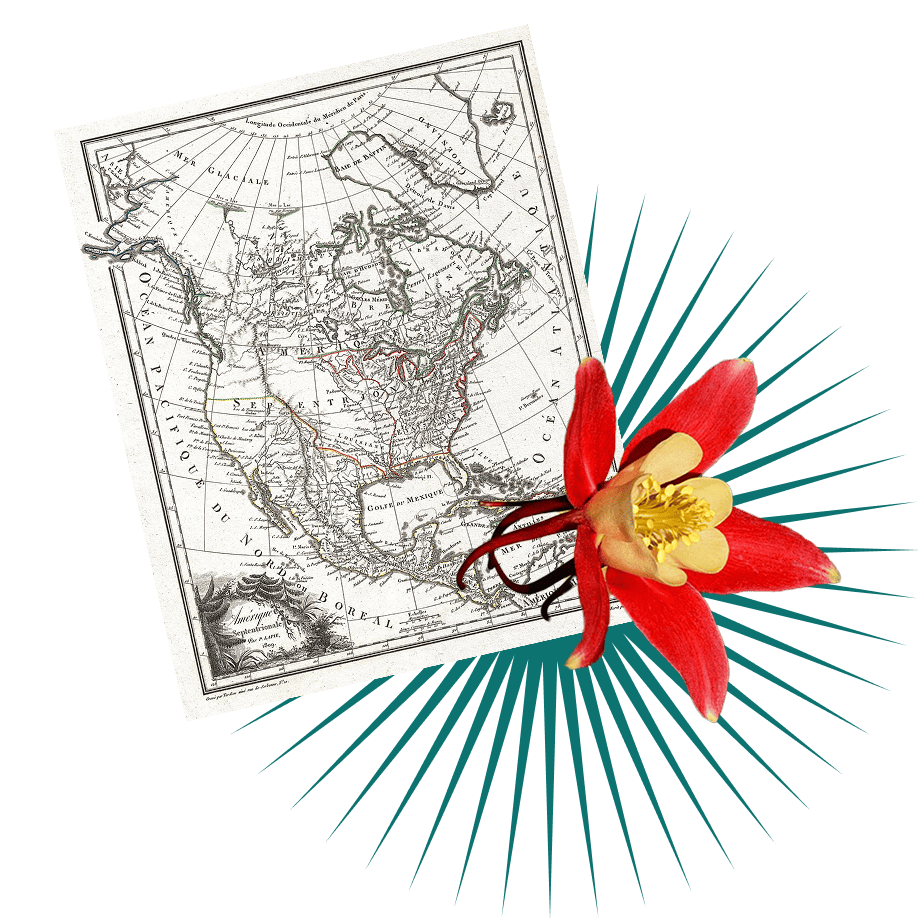
The Biodiversity Map brings individual actions together, showing how small, local efforts form a larger network of habitat. As the movement has grown, the map has continued to evolve, helping people see where restoration is happening and how their contributions fit into a broader system.
A small signal of something bigger
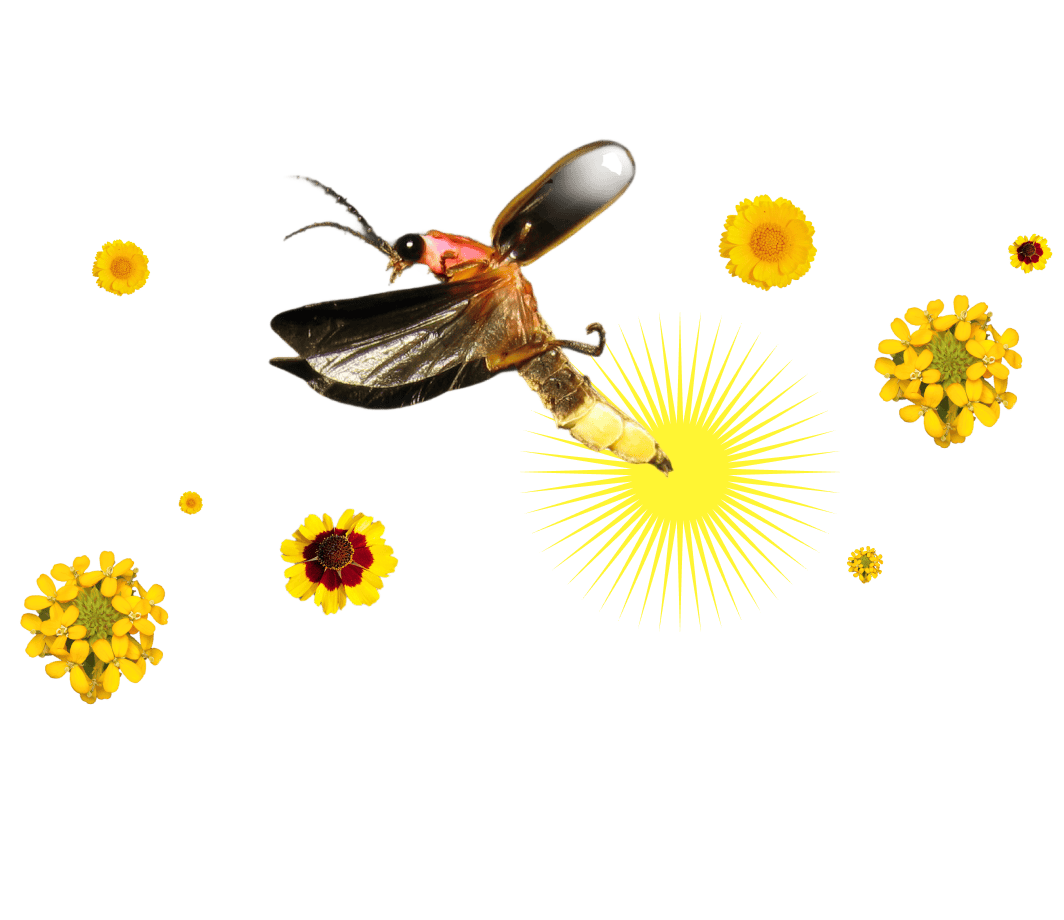
The firefly is more than a logo. It represents what happens when individual actions begin to connect.
A single light may seem small, but together they become visible. They spread and create momentum. That’s how this movement works.
When you restore habitat, you begin to see the results. Life returns. And in that process, something else happens: you help light the way for others.
What starts in one yard can influence a neighborhood, a community, and beyond.
Together, we are Nature’s Best Hope
What began as a research-driven idea has become a growing movement. Across yards, schools, and communities, people are restoring habitat and influencing others to do the same.
What happens next depends on how far this movement can reach. Each new space restored adds to a larger, connected effort to support biodiversity.
See how this work creates impact
Explore our mission and impact
Related
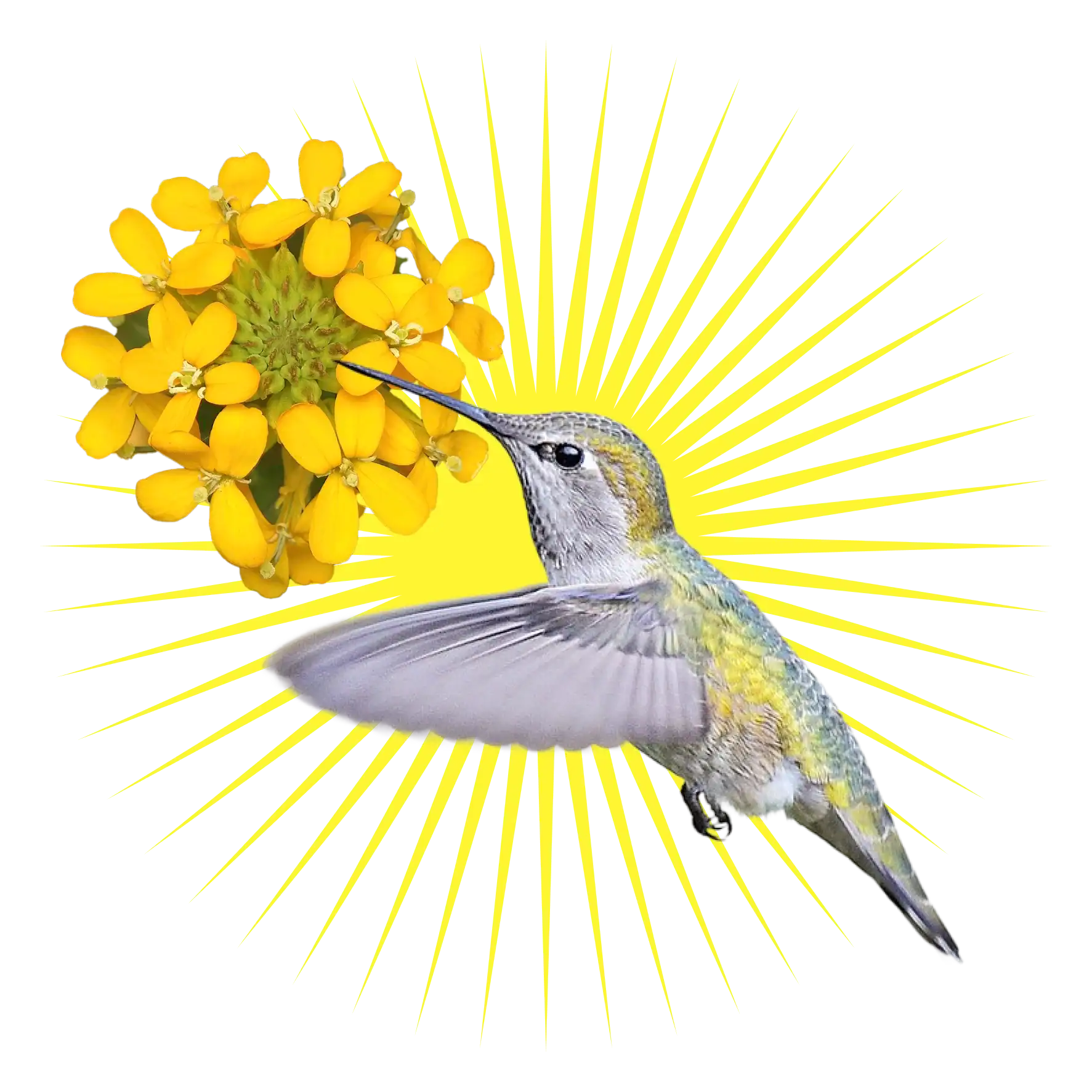
Get started planting native
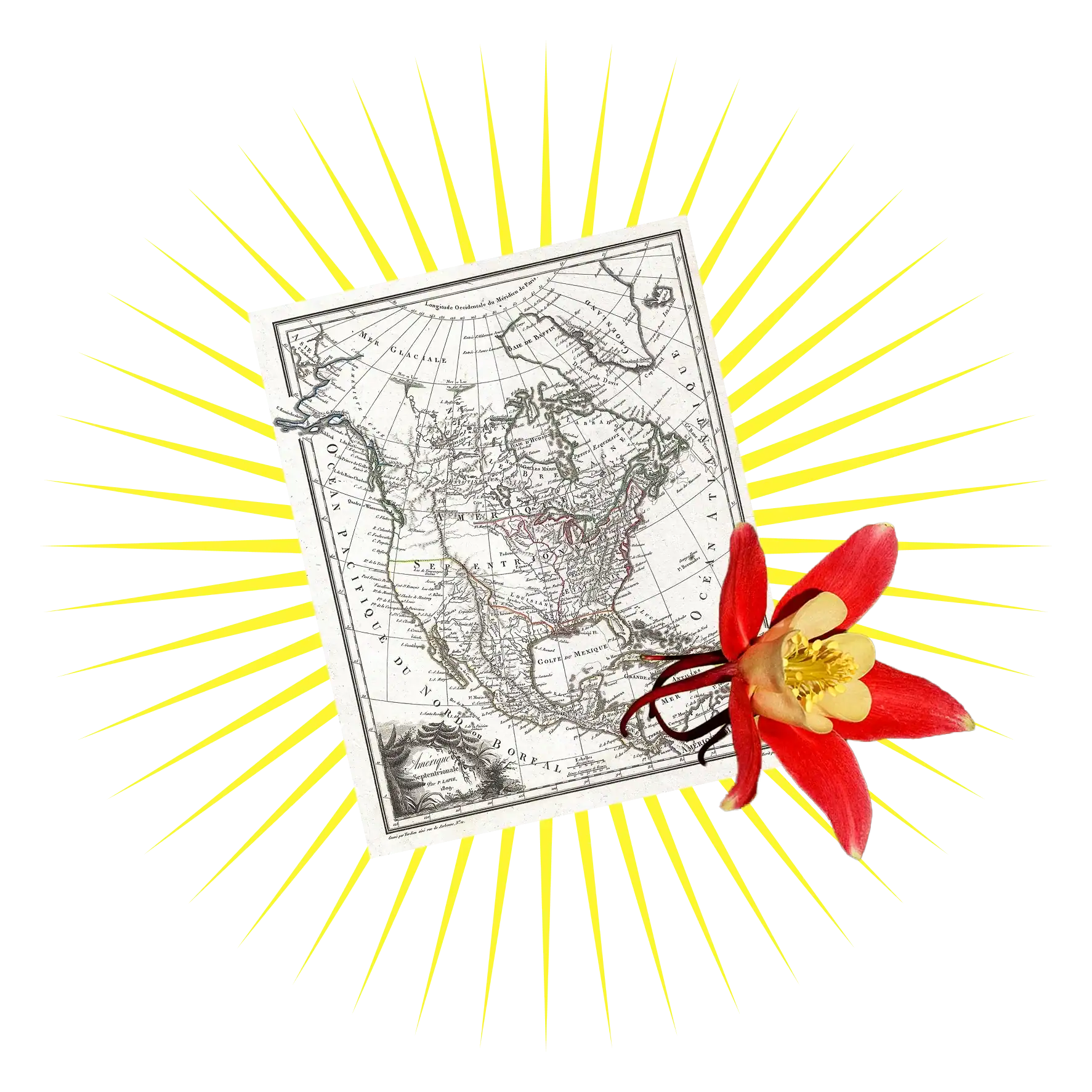
Explore the Biodiversity Map
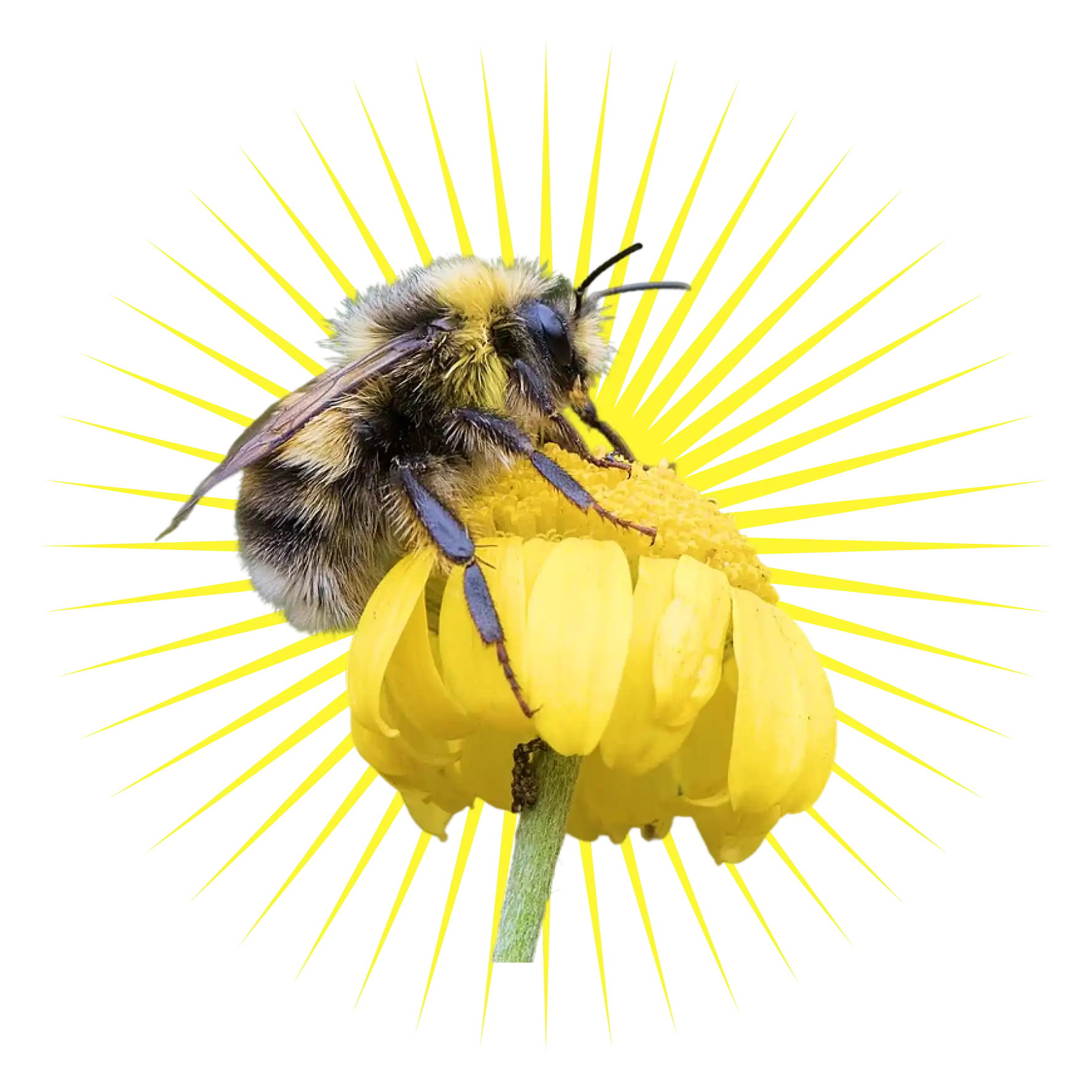
Bring this to your community
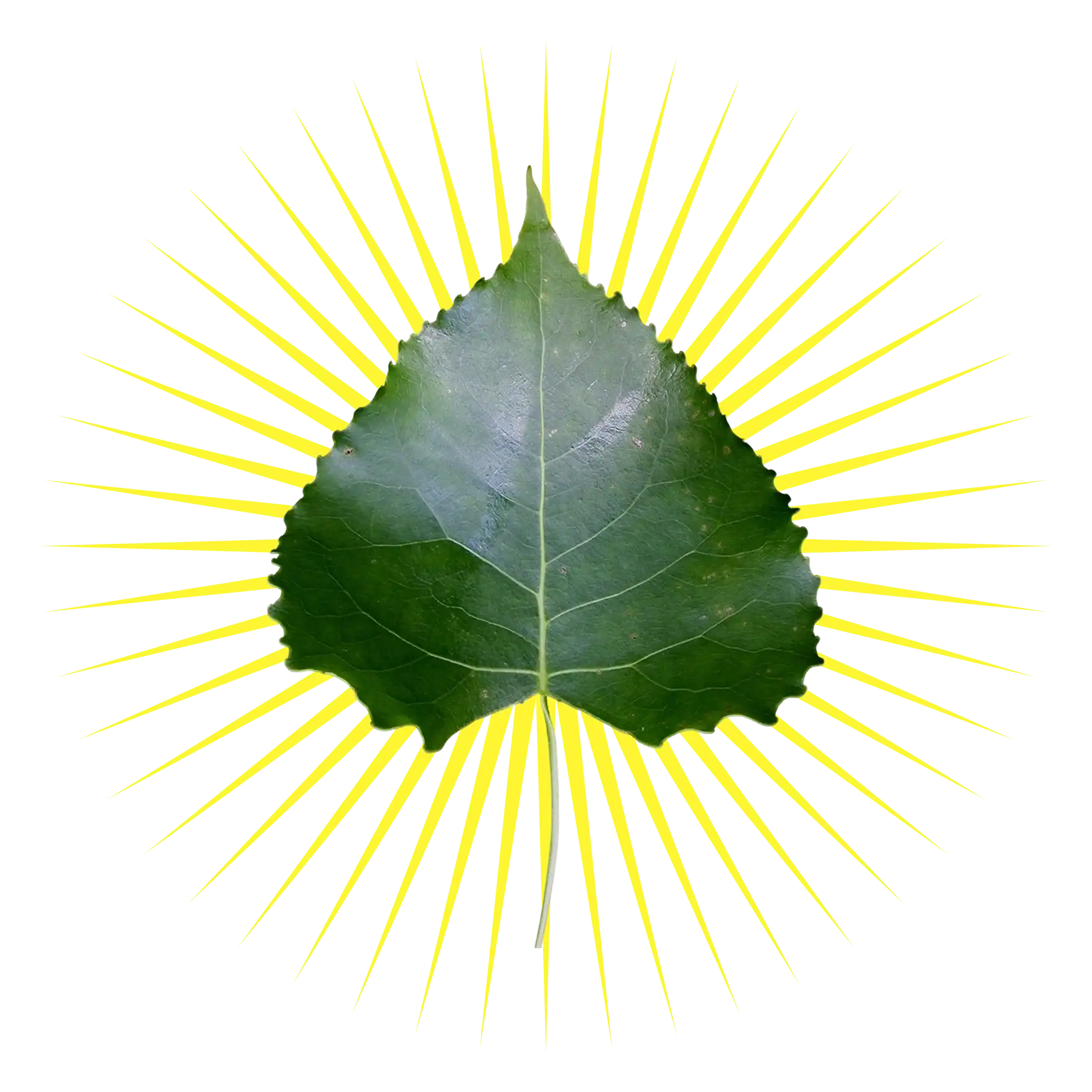
Learn why native plants matter