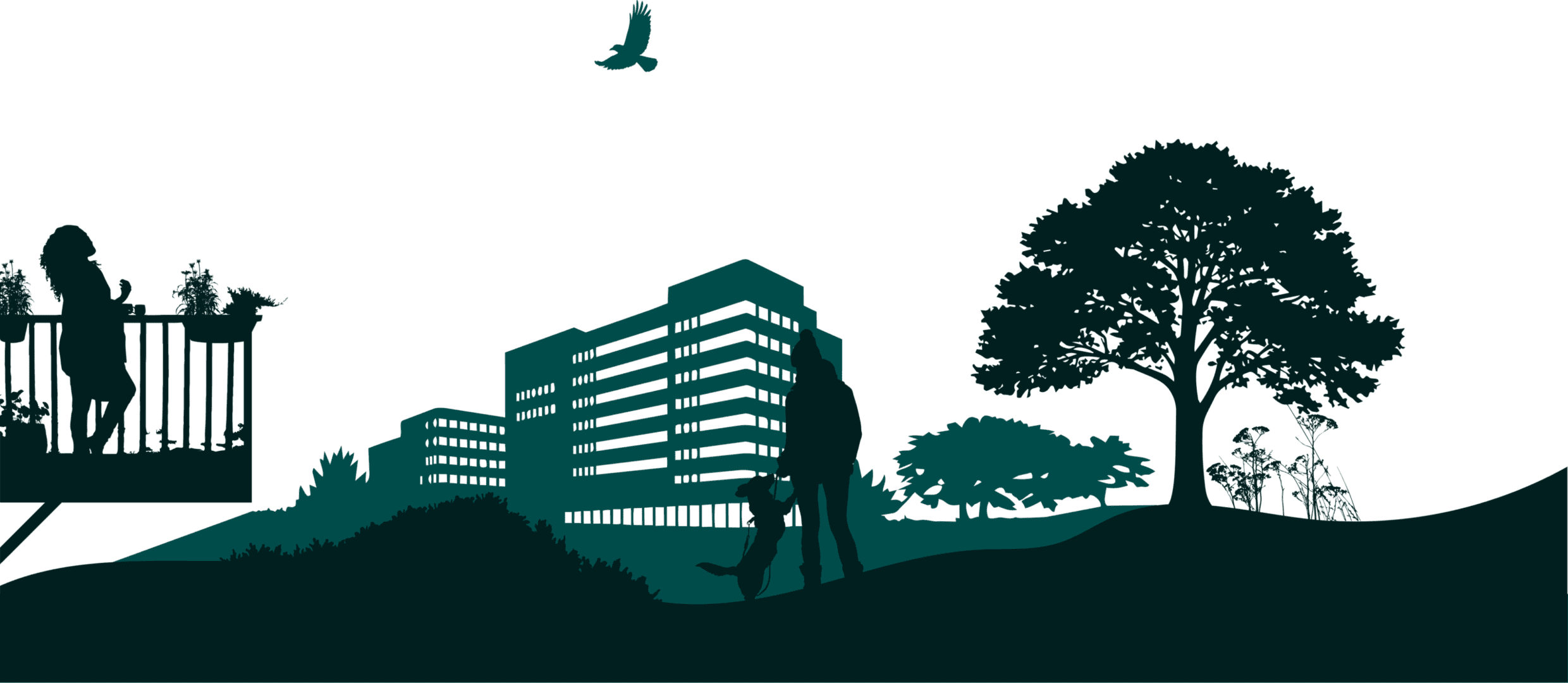


Photo from Hannah Monroe | Indianapolis, Indiana
Mission
Homegrown National Park catalyzes people to plant native and remove invasive plant species at home and in their communities — one of the most impactful actions anyone can take to restore and protect the natural habitats that support all life.


Vision
A world where the restoration and protection of native habitats is mainstream, the default behavior of everyone and every organization.
A growing crisis, hiding in plain sight
We’ve reached a critical point. Local ecosystems are losing the plants and animals that sustain them, weakening the systems we all depend on: clean air and water, pollination, flood control, carbon storage, and more.
This is not just about rare species. The steady loss of common species and everyday ecological function affects even human health and safety.


A simple, scalable solution
Homegrown National Park turns a complex global problem into a clear, actionable solution:
Add native plants and remove invasive ones.
This approach is science-based, accessible, and measurable. Anyone can participate, from individuals to schools, businesses, and communities.
Restoration where it matters most
Most land in the United States is privately owned. This means restoration of native habitats must happen where people live.
By transforming these spaces into habitat, individual actions begin to connect and scale into meaningful ecological impact.


From intention to impact
Across the country, people are turning awareness into action. Students, homeowners, and communities are restoring habitat in the spaces they manage.
When many people take part, these efforts connect and grow into something larger. This is how small actions grow into meaningful change.
Making impact visible
The Biodiversity Map is a community-powered tool that connects individual actions into a larger network of habitat.
It tracks both intention and restoration across the U.S. and Canada, showing where progress is happening and where more is needed.
By making these efforts visible, the map helps people see how their actions connect to others.

See how it all began
Explore the story behind Homegrown National Park.
Related
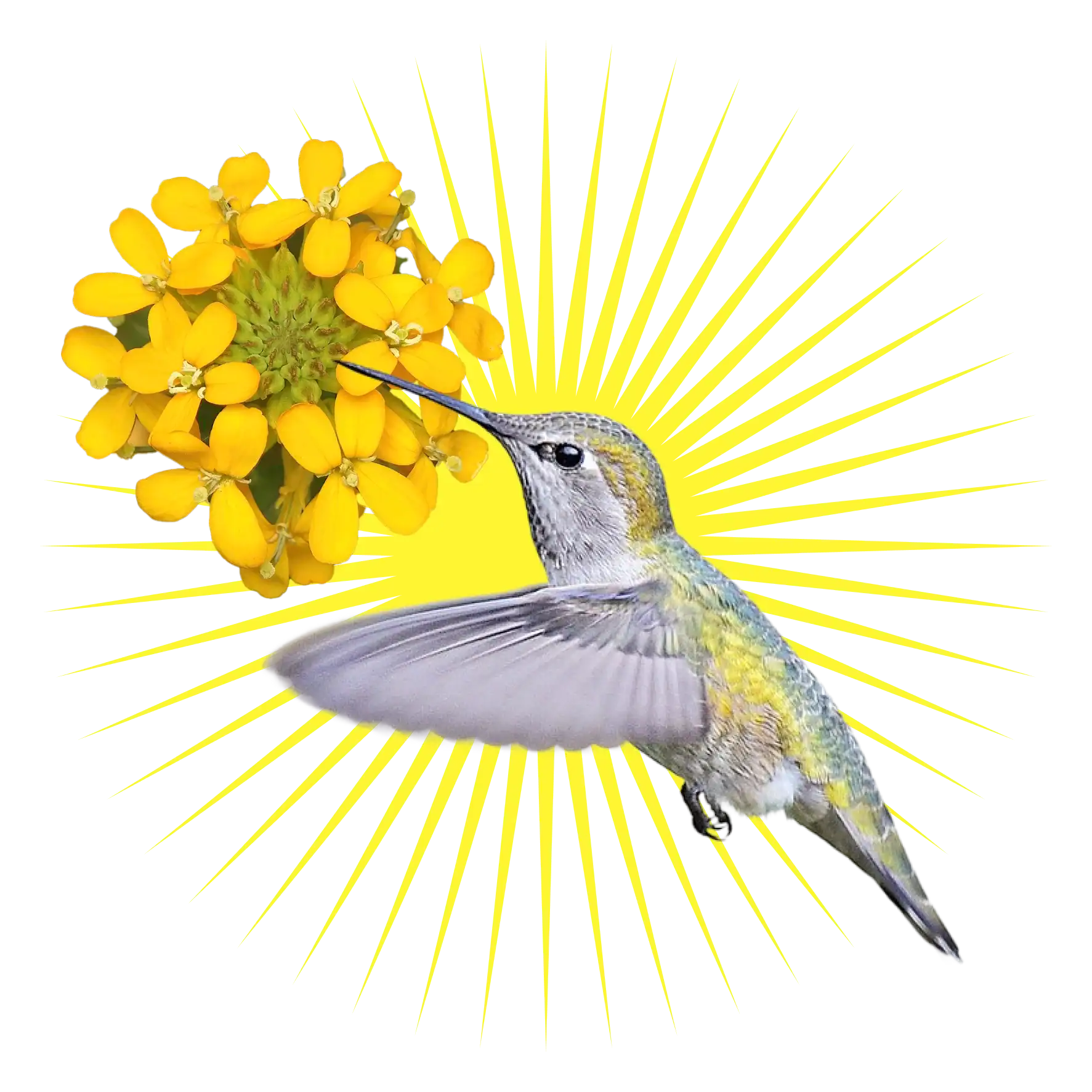
Get started planting native
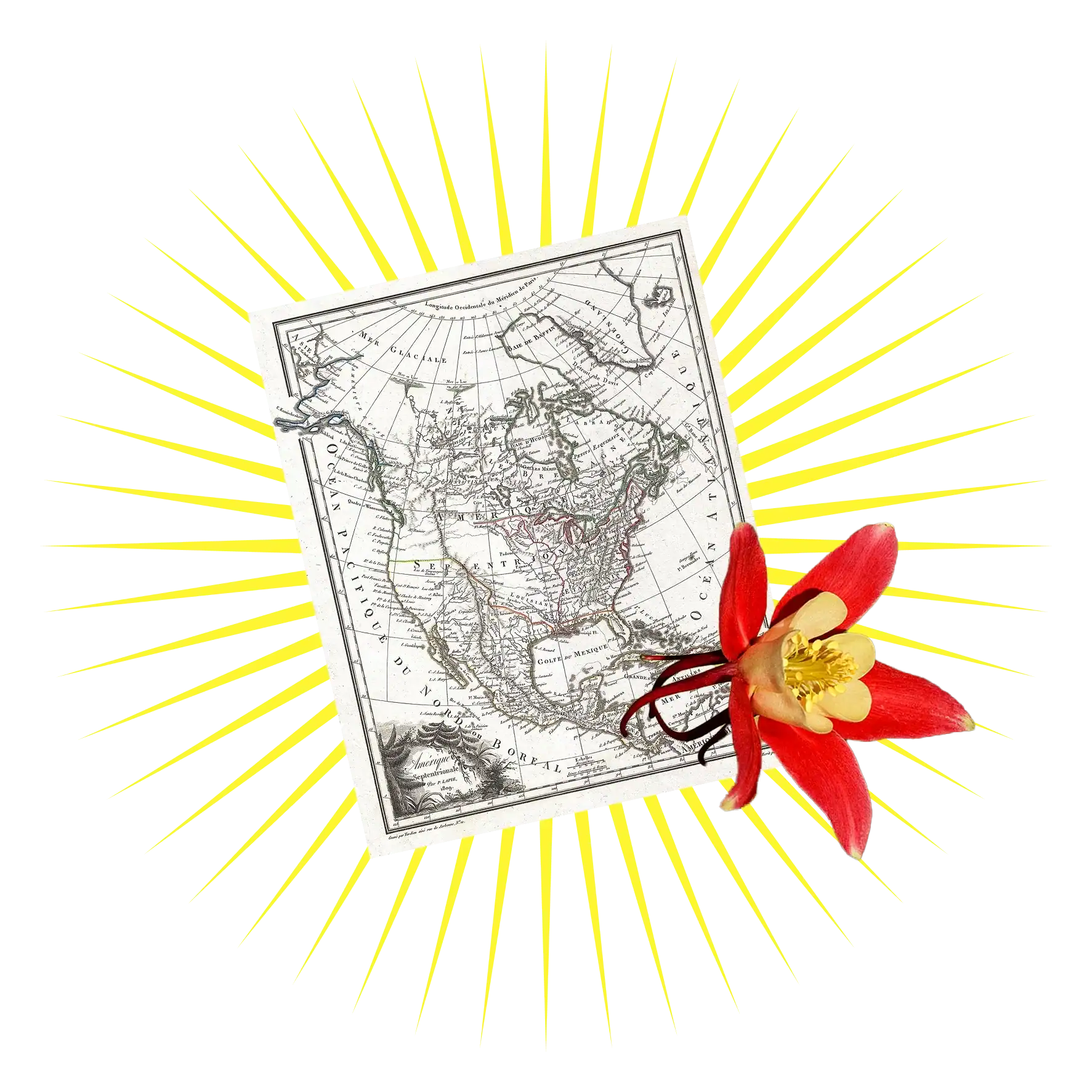
Explore the Biodiversity Map
Learn why native plants matter

Partner with us