Spotted Joe-Pye Weed
This plant produces beautiful purple clusters of flowers that are fragrant and loved by pollinators. The seeds heads remain through winter and provide an attractive food source for birds.
Spotted Joe-Pye Weed Read More »

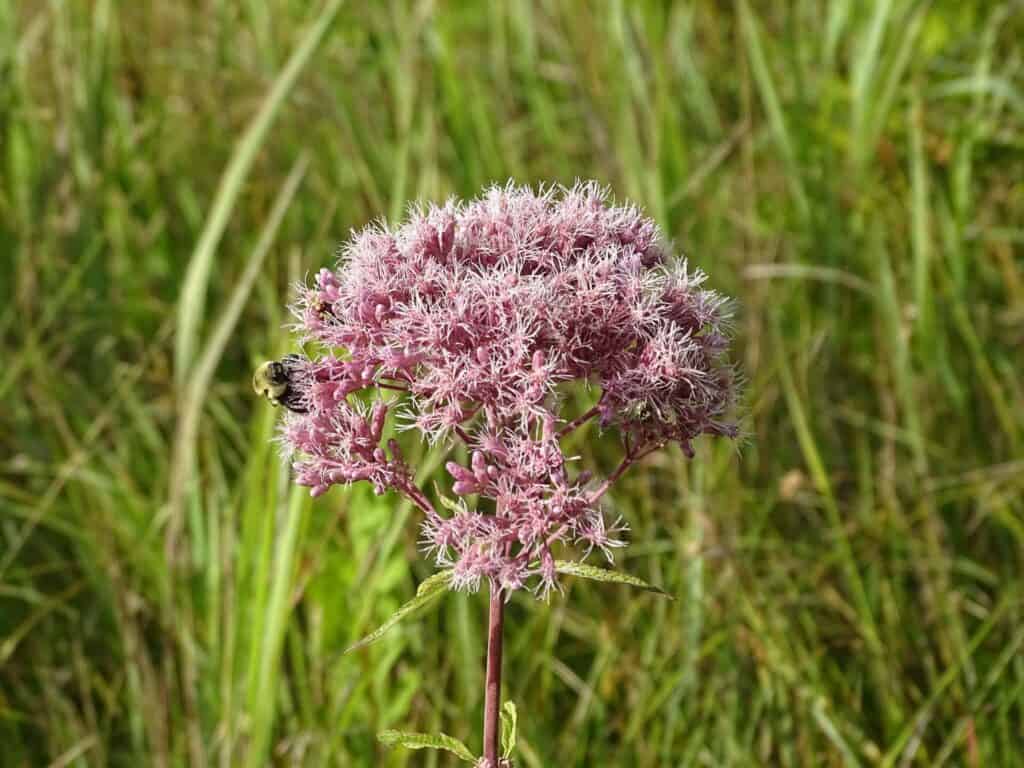
This plant produces beautiful purple clusters of flowers that are fragrant and loved by pollinators. The seeds heads remain through winter and provide an attractive food source for birds.
Spotted Joe-Pye Weed Read More »

This beautiful, low-lying plant produces a spray of small white flowers and loves to drape over the sides of containers. It is low-maintenance and resistant to mildew and many pests.
First Snow Heath Aster Read More »
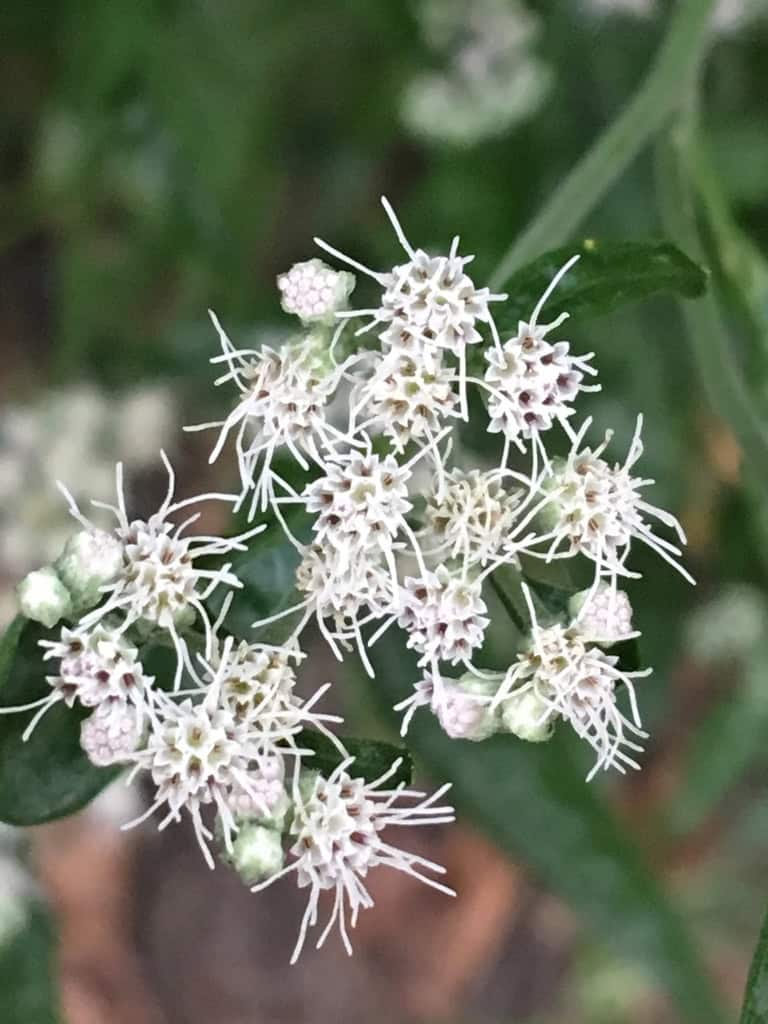
Late Bonest’s white flowers are a great source of food for pollinators late in the season. This plant has no serious insect or disease problems and is deer-resistant. Deadhead to prevent seed-spreading.
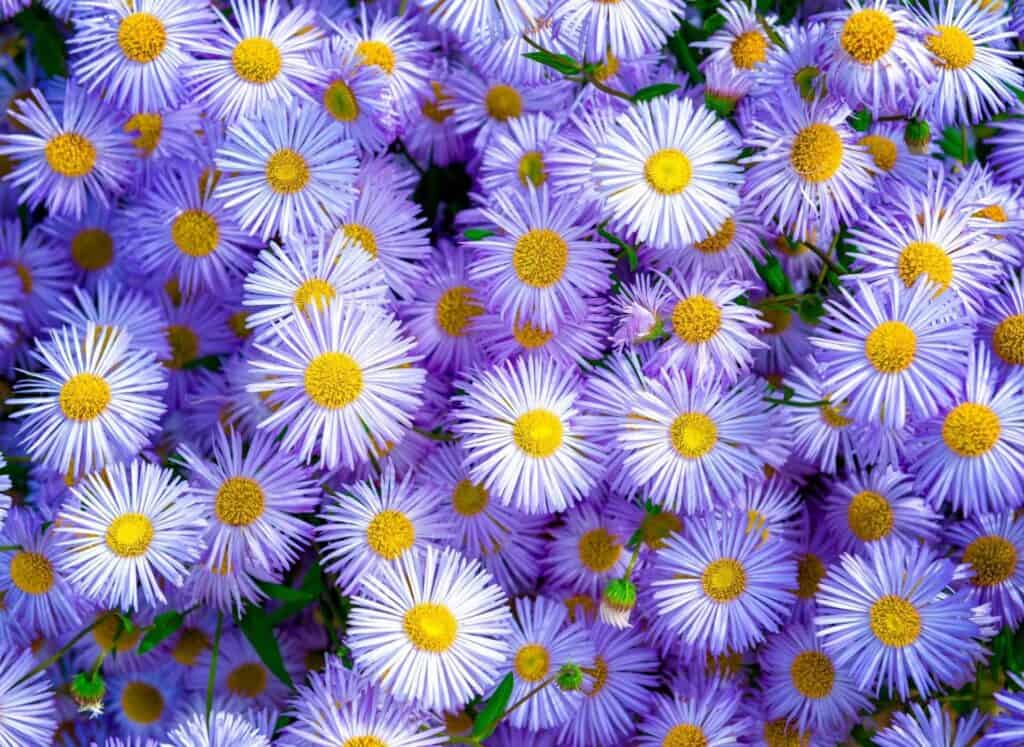
This long-blooming and virtually disease-free flower provides resources to pollinators for months. Cut it back to encourage more flowers and growth.
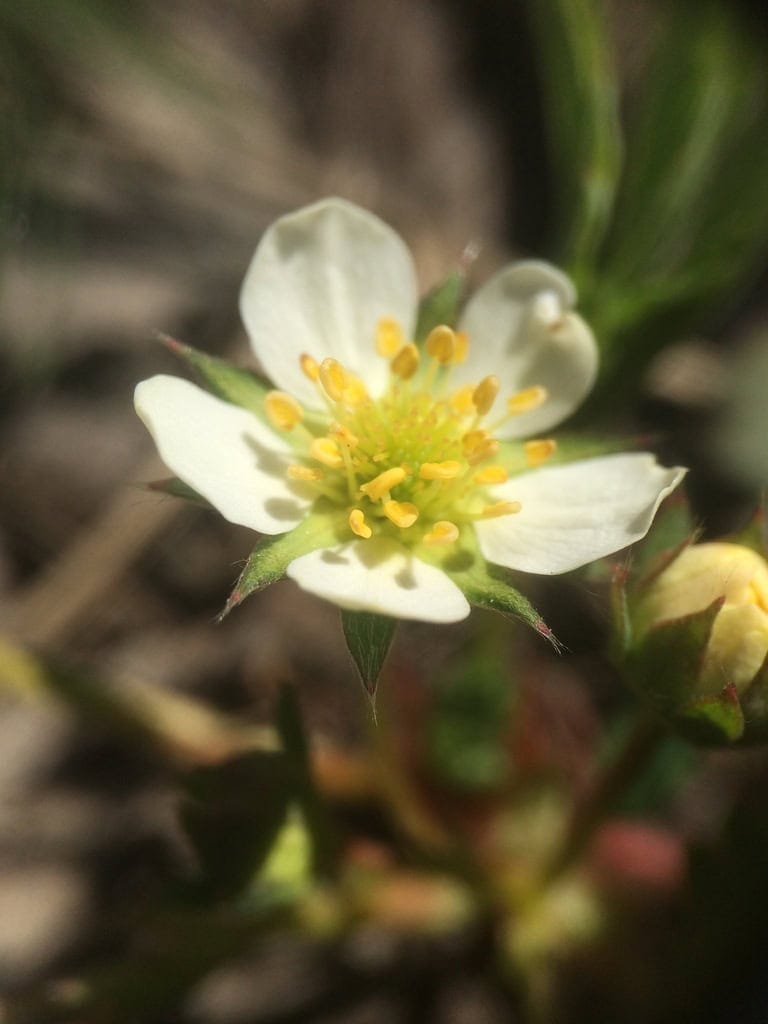
This plant produces small white flowers that give way to edible red fruits. Propagation is possible through trimming and transplanting runners. It is susceptible to some foliage diseases and mildew.
Scarlet Strawberry Read More »
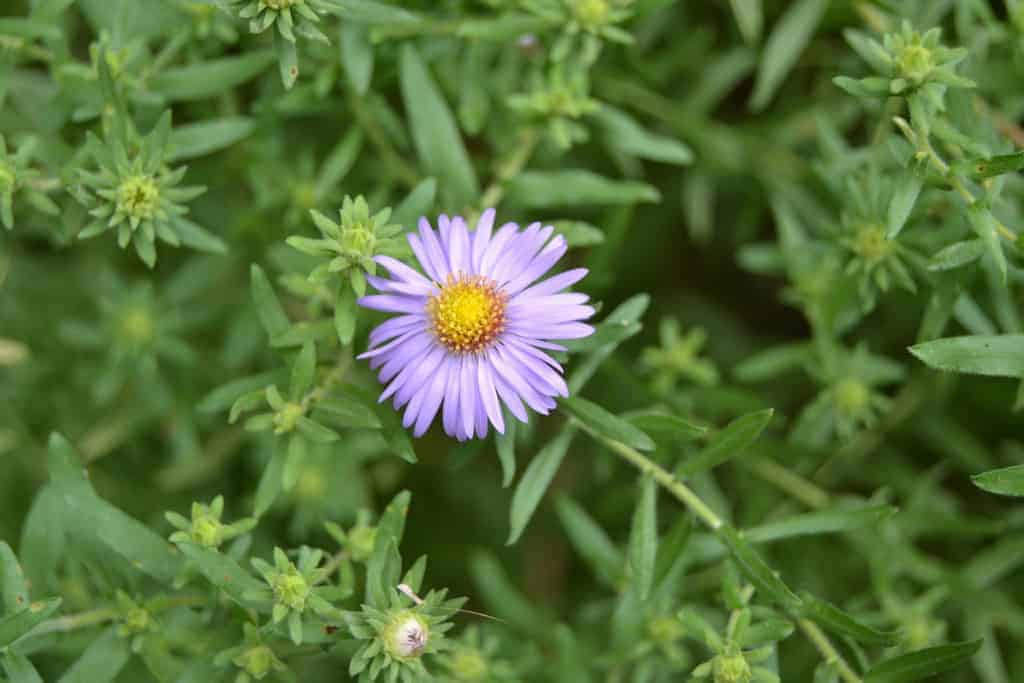
Colorful and aromatic, this plant produces many blue-purple flower, and the foliage emits a pleasant scent when crushed. It attracts birds and butterflies while being unattractive to deer and rabbits.
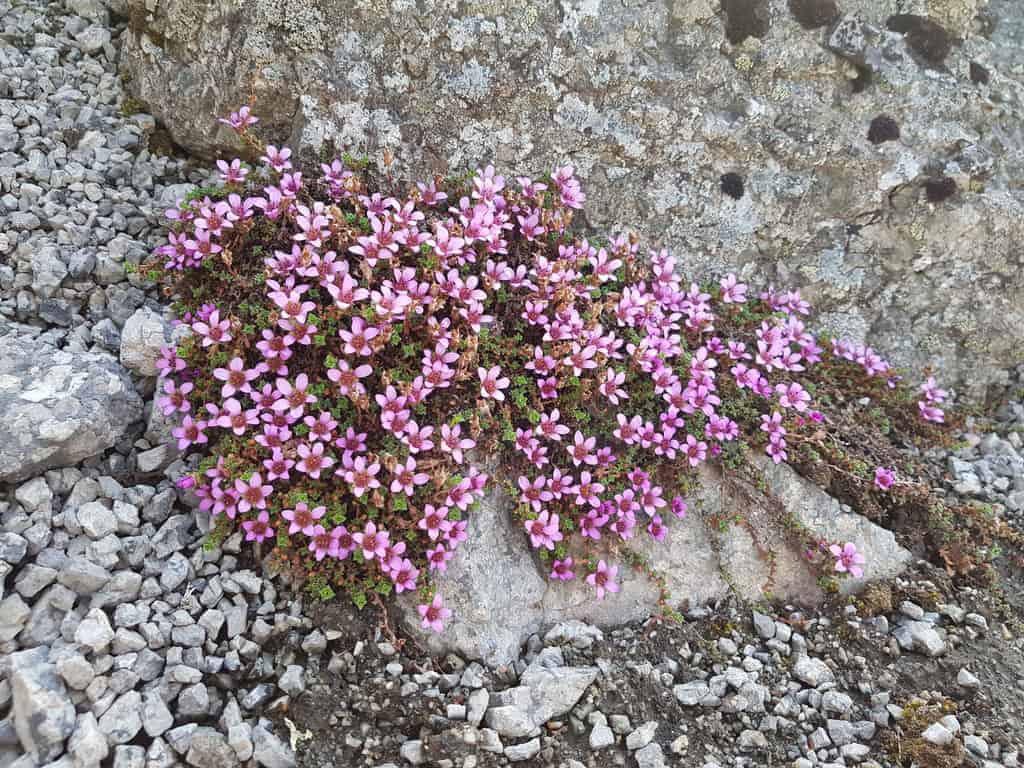
A beautiful, low-growing perennial that, when flowering, produces fuchsia flowers with orange anthers. The foliage is evergreen and forms a mat of dark green leaves, making it perfect for pots and containers.
Purple Mountain Saxifrage Read More »
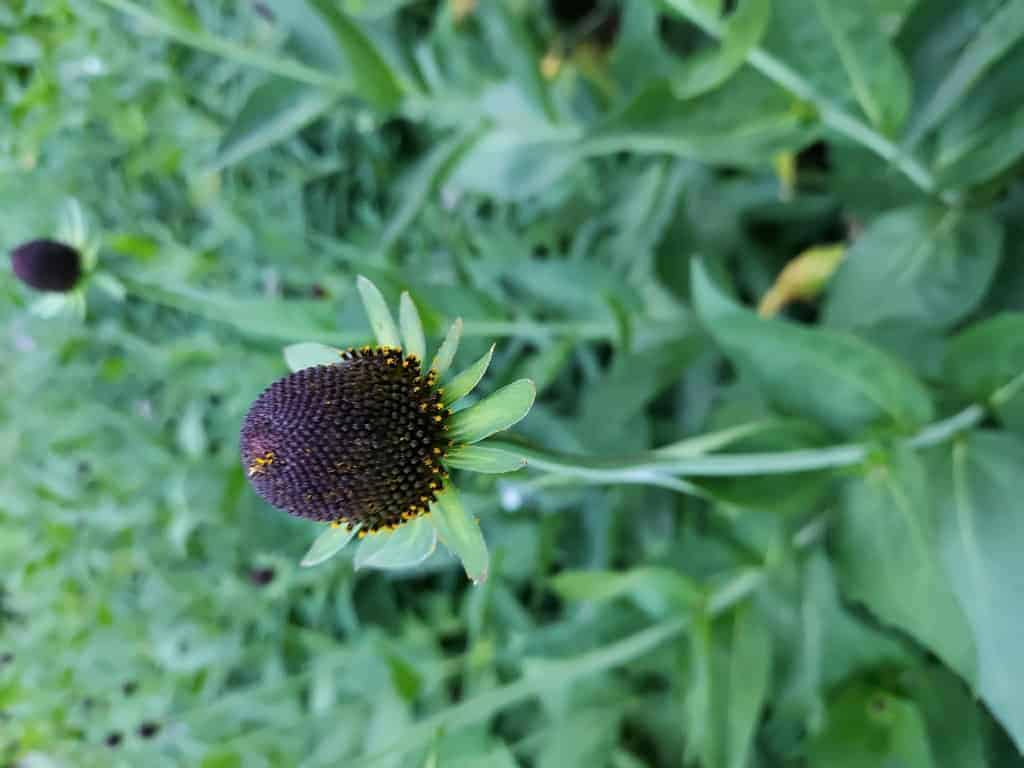
This unique flower has a large central cone with abundant pollen and nectar. Deadheading promotes further blooms, and this species is deer-resistant with no serious pests or diseases.
Western Coneflower Read More »
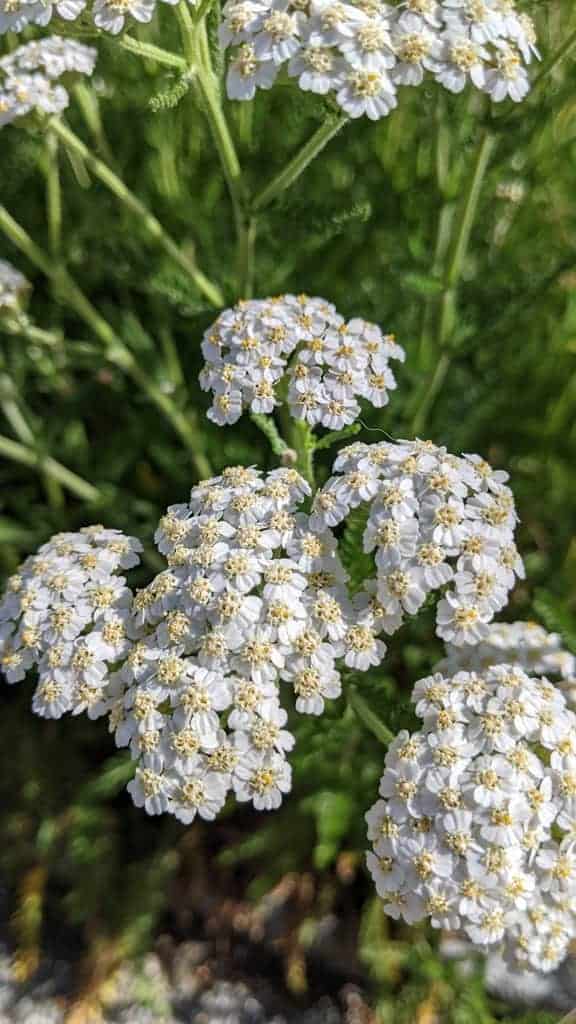
This pleasantly aromatic plant produces flat clusters of white flowers that butterflies love! Cutting back can promote re-flowering. It is deer and rabbit-resistant, but is toxic to dogs, cats and horses when ingested.
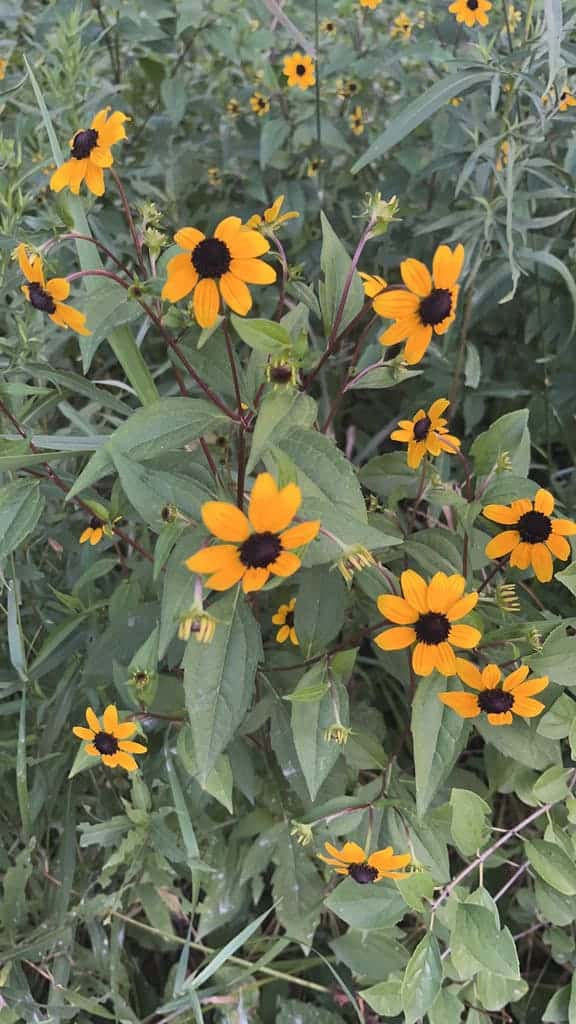
This low-maintenance plant is disease and deer-resistant. Flowers are long lasting and are excellent cut flowers. Deadheading can be used to promote longer blooming and reduce self-seeding.