White Goldenrod
This plant is attractive to pollinators and birds while being resistant to deer. Once established, this plant is drought-tolerant. Deadheading should be used to avoid self-seeding.

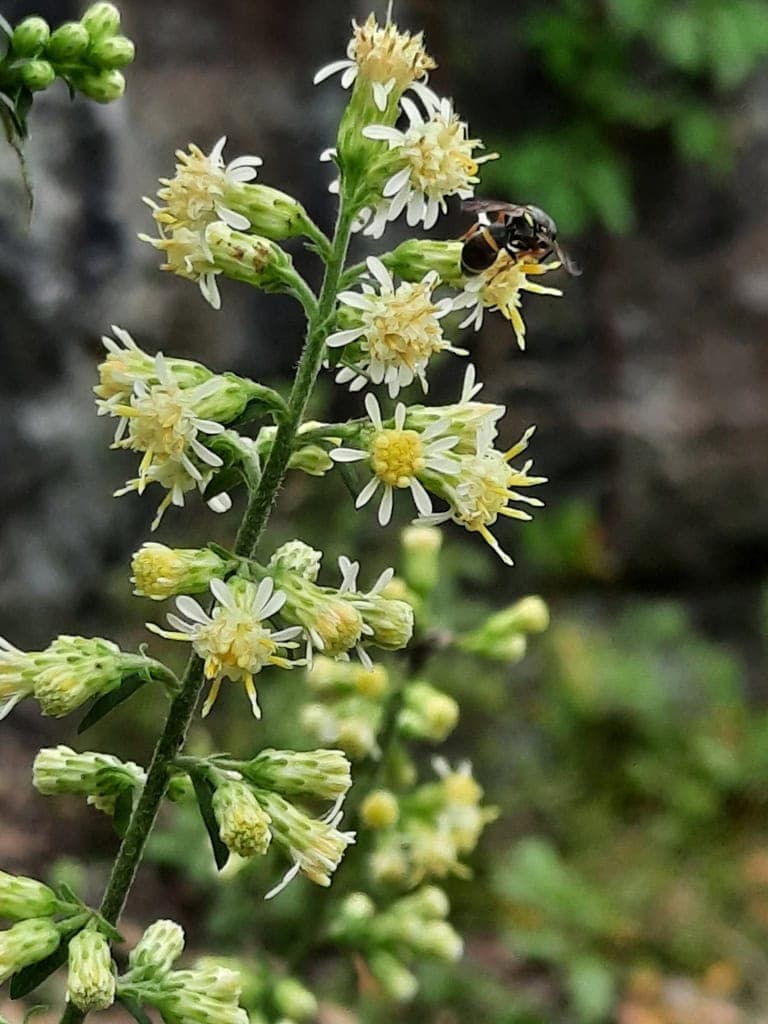
This plant is attractive to pollinators and birds while being resistant to deer. Once established, this plant is drought-tolerant. Deadheading should be used to avoid self-seeding.
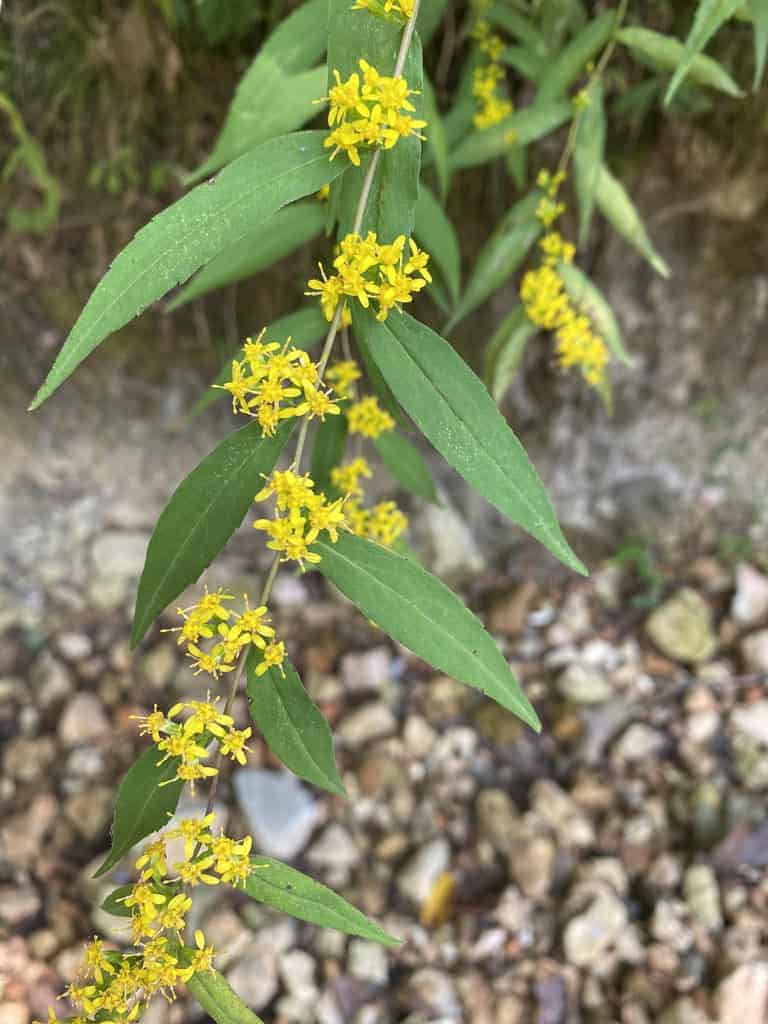
This plant bears a profusion of flowers in late summer that are highly attractive to a variety of species. This less-aggressive goldenrod is deer-resistant with no serious pests or diseases.
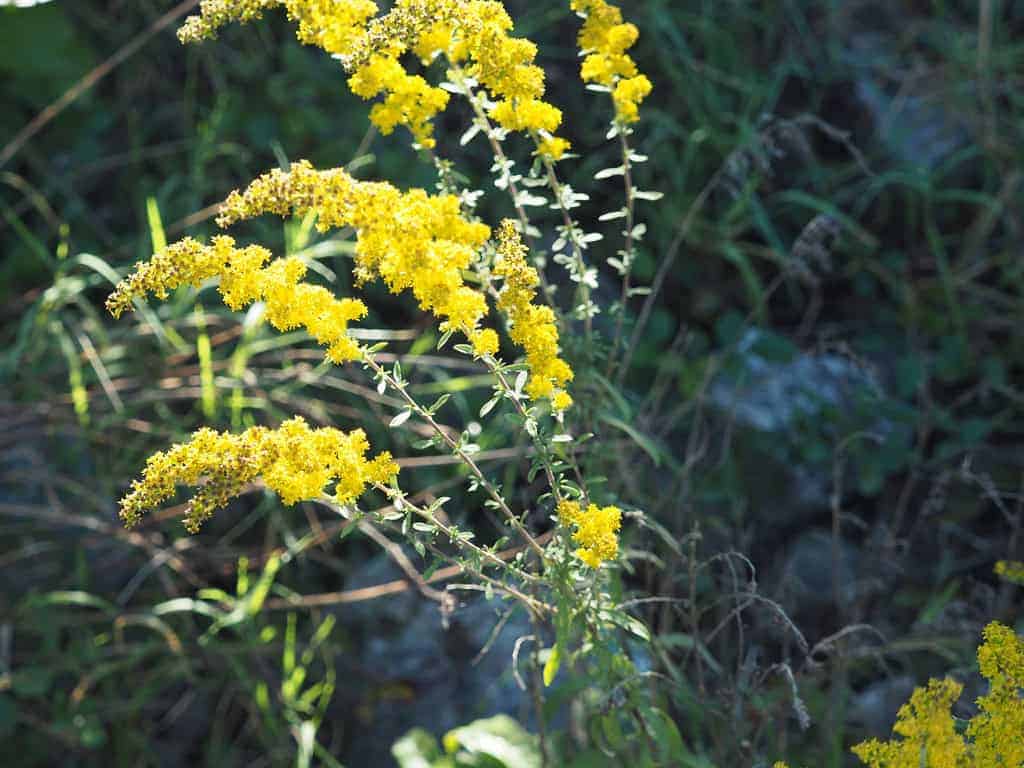
This plant is a less-aggressive, shorter alternative to tall goldenrod. Its showy, yellow flowers are attractive to birds and pollinators and provides a splash of color to late season. It can tolerate poor, dry soil.
Old Field Goldenrod Read More »

This compact goldenrod has arching sprays of bright yellow flowers that support over 100 species of insects. This species is deer-resistant with no serious pests or diseases.
Wrinkleleaf Goldenrod Read More »

A beautiful late-season bloom that produces thick clusters of yellow flowers. It is attractive to pollinators and seed birds. It is deer-resistant and thrives in poor, dry soil.
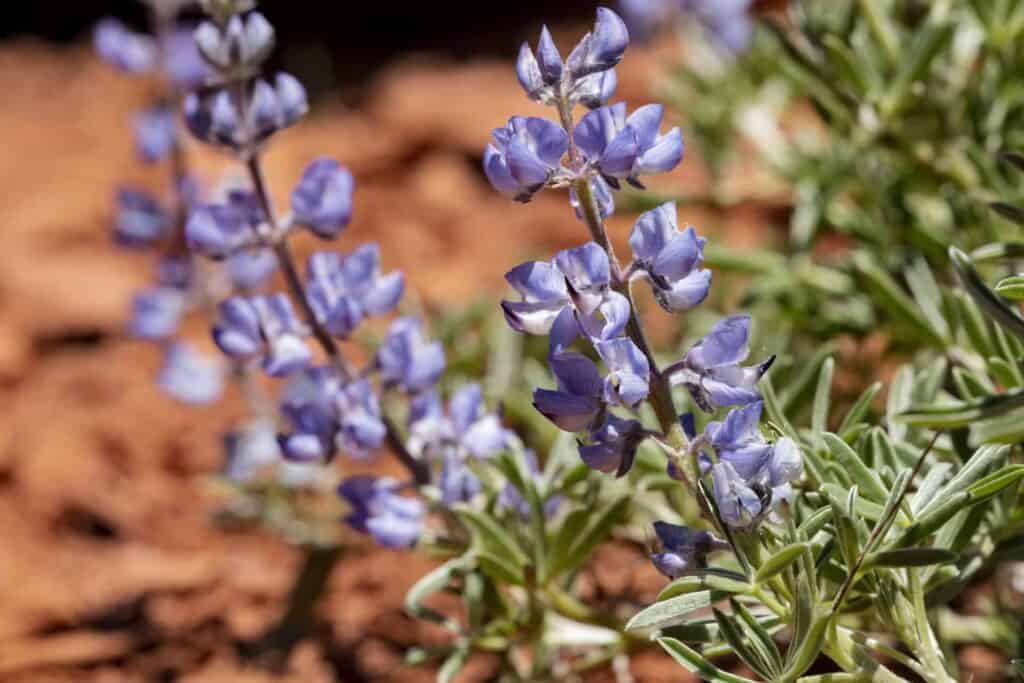
This species has stunning silvery-green leaves with spikes of blue to violet flowers. They are particularly attractive to hummingbirds and butterflies. Plant in a deep pot due to long roots.
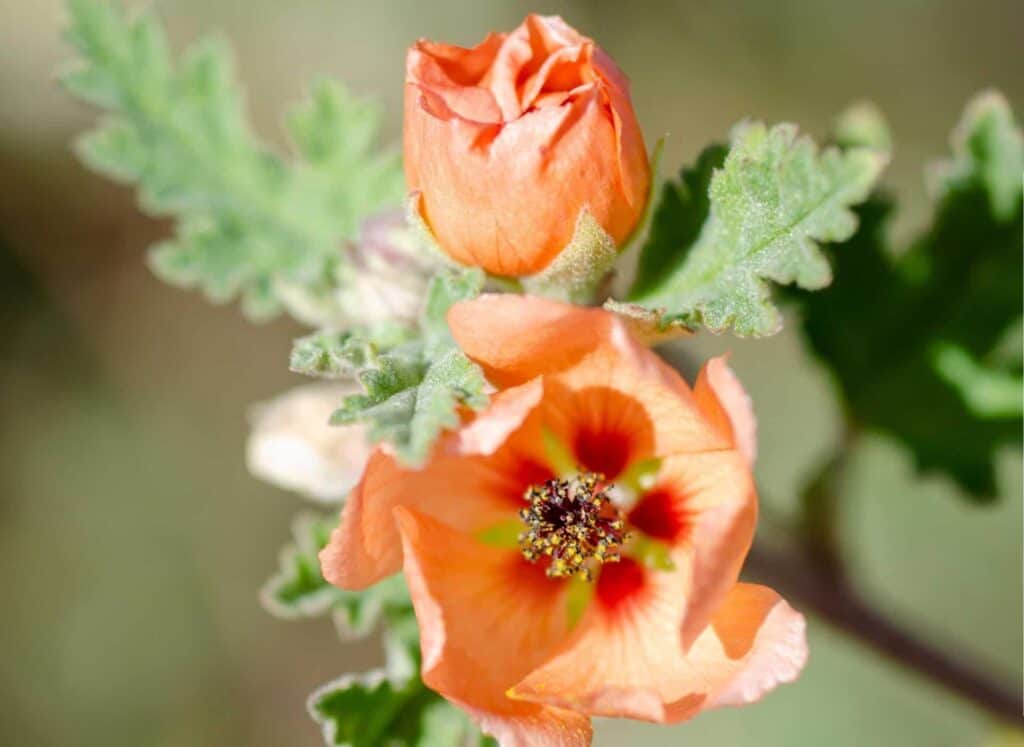
This bushy plant has striking flowers that are typically orange, but other varieties are available. Disease and drought-resistant. Cut back the plant after it flowers to get more blooms.
Desert or Globe Mallow Read More »
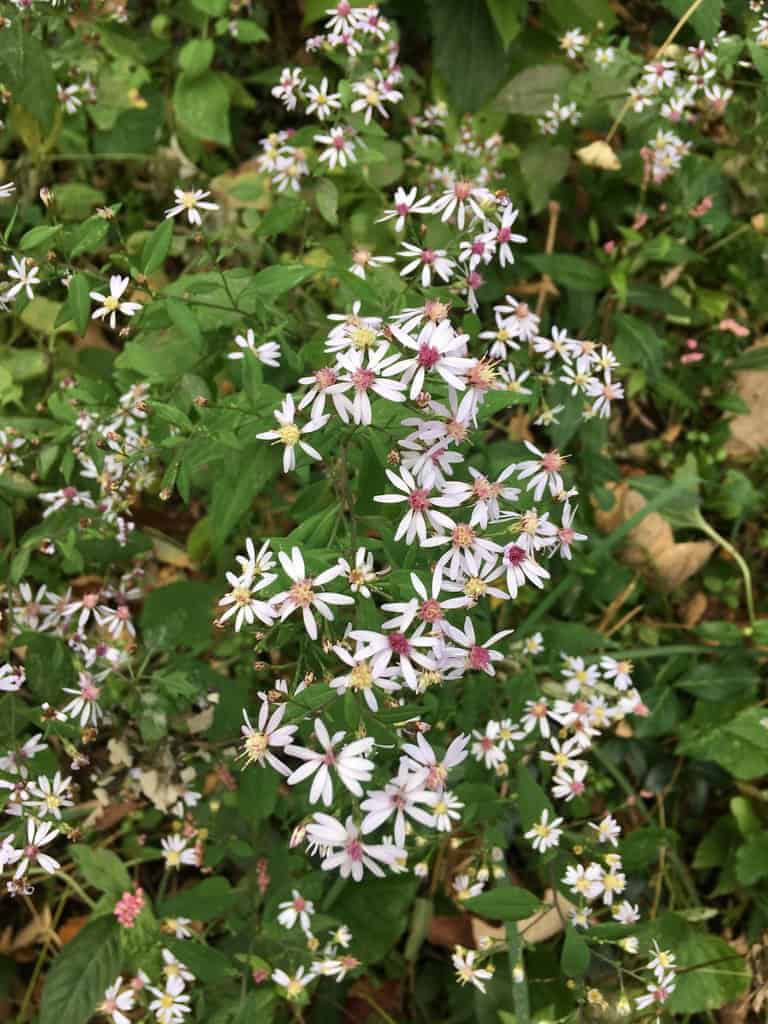
This densely flowering plant is a stunning late-season choice, providing nectar to butterflies and visual interest. This species is generally pest-free and deer-resistant.
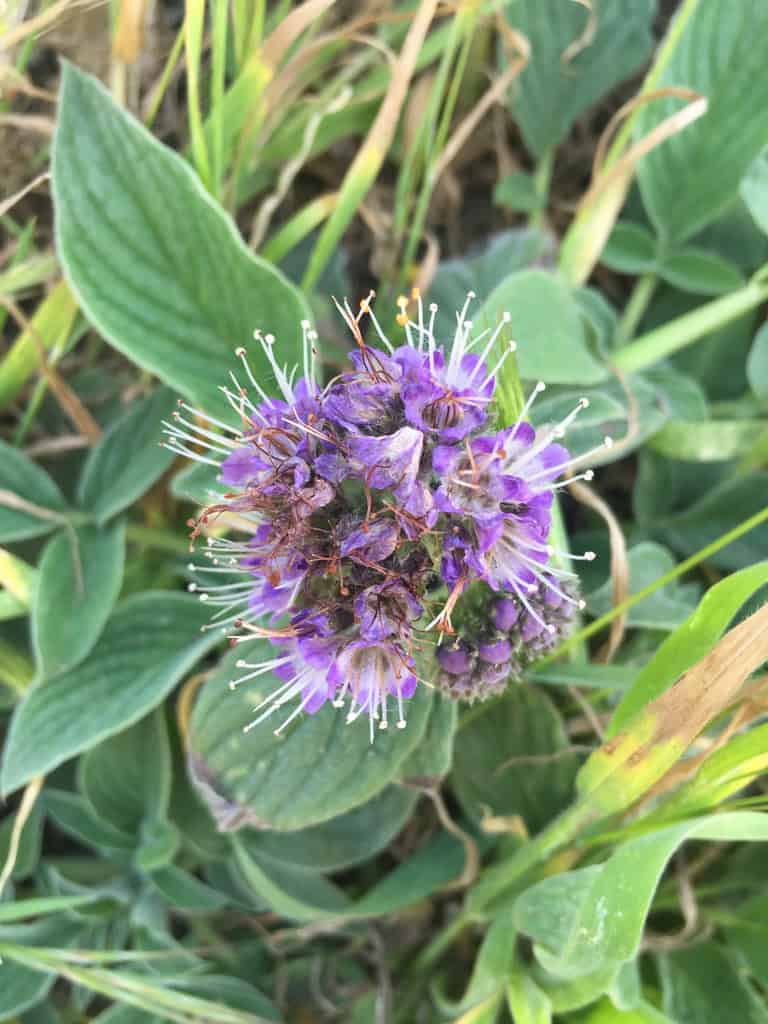
This unique purple flower is a valuable food source for the endangered Mission blue butterfly as well as many other beneficial insects. The flowers persist even in periods of drought.
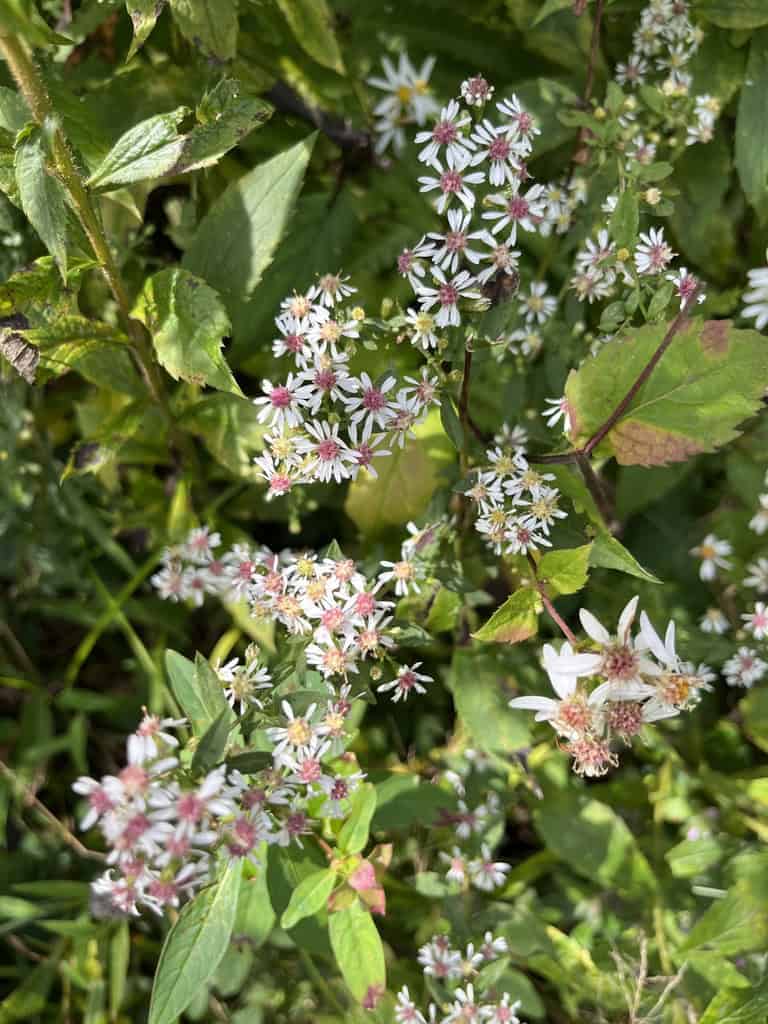
This plant produces unique white flowers with berry-like centers late summer through fall. It is a great source of nectar to butterflies and bees. Susceptible to powdery mildew.