

Photo from Weed Wrangle | Nashville, Tennessee
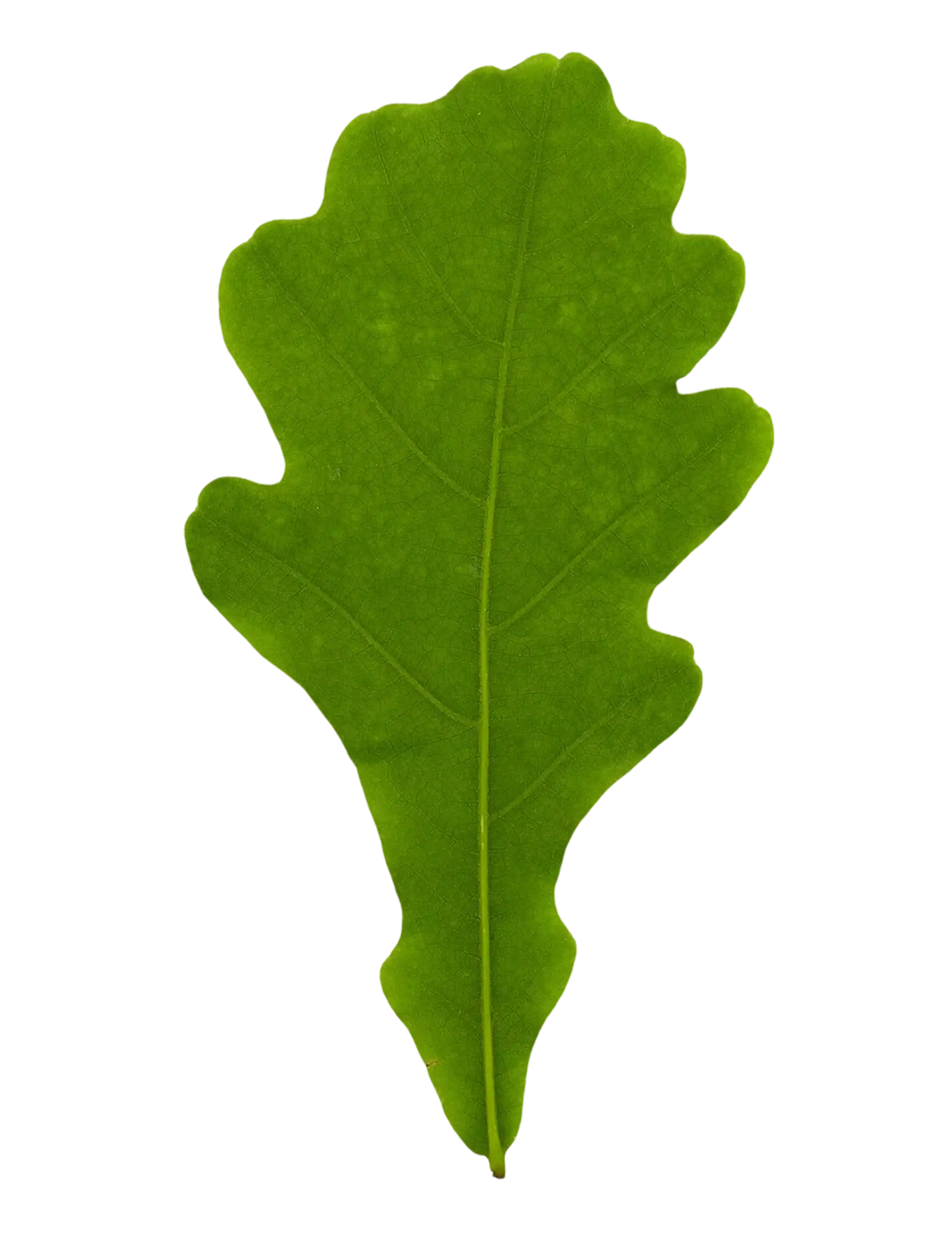
Removing invasive plants helps restore habitat by making space for native species to grow and reestablish the relationships that support biodiversity.
It is one of the most important steps you can take to improve the health of your local ecosystem.
What are invasive plants?
Invasive plants are species from other regions, introduced by people, that spread aggressively where they did not evolve.
Without natural controls, they can outcompete and displace native plants, disrupting ecosystems and harming the plants, animals, and insects that depend on them.
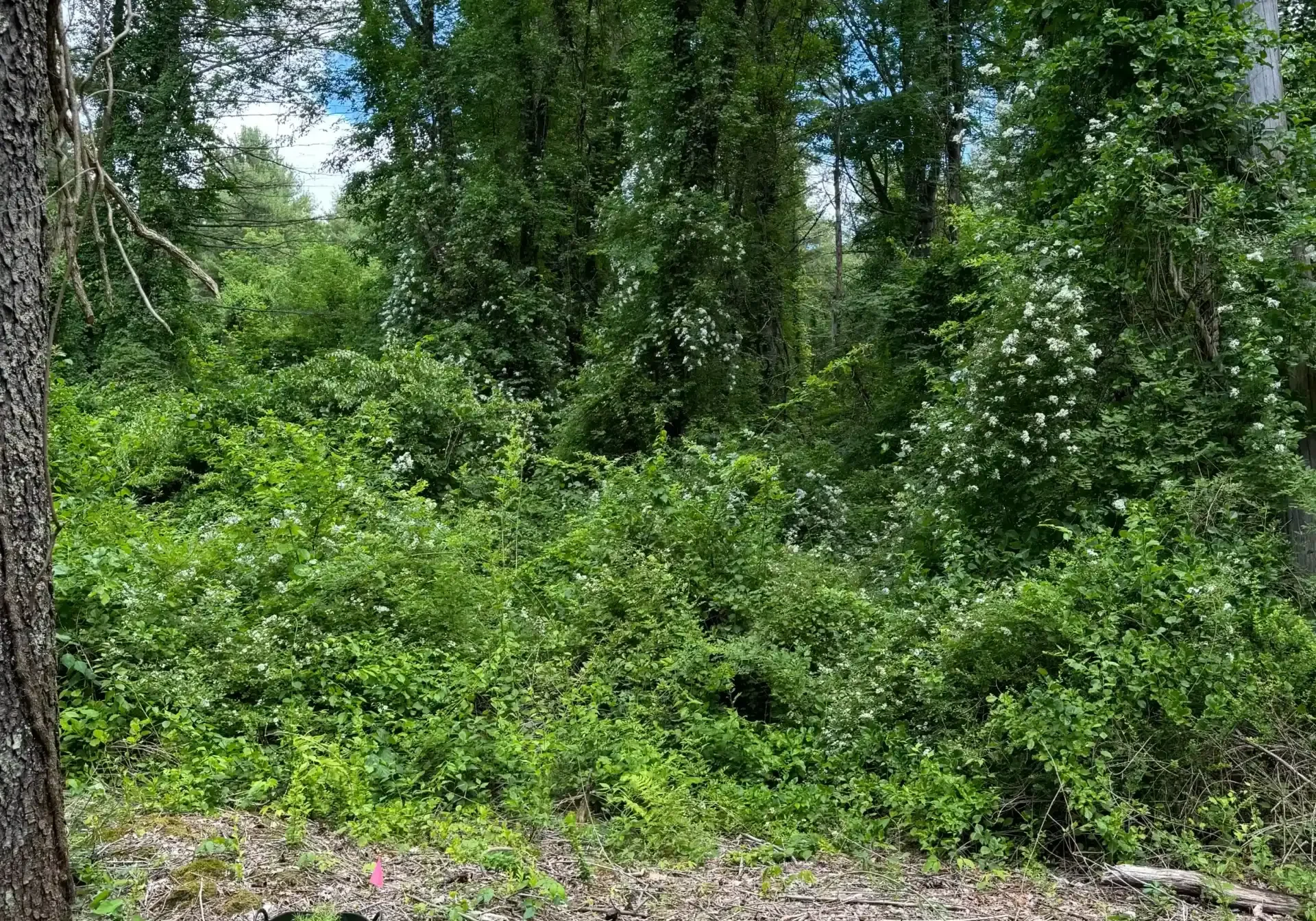
Photo from Dee Salomon in Litchfield County, Connecticut
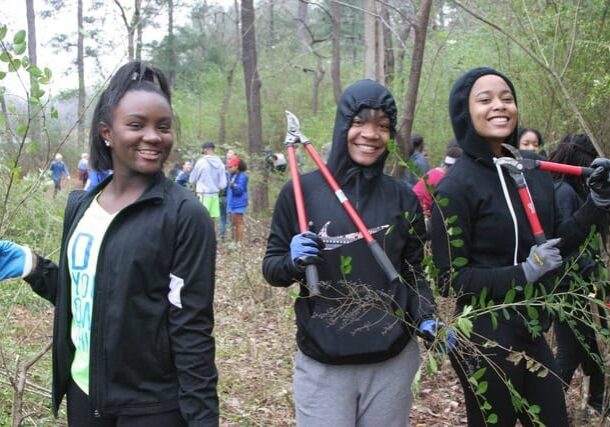
Photo from Weed Wrangle in Nashville, Tennessee
Why invasive plants are a problem
Invasive plants often have characteristics that allow them to dominate:
- Some release chemicals that prevent other plants from growing
- Some grow rapidly and block sunlight
- Some spread aggressively through roots or seeds
- Some alter soil conditions, making it harder for native plants to survive
As they spread, they form dense monocultures that crowd out native plants and reduce biodiversity.
What this means for ecosystems
When native plants are replaced, the relationships that support ecosystems begin to break down.
Fewer native plants means fewer insects. Fewer insects means less food for birds and other wildlife. Over time, entire food webs are weakened.
In some places, invasive plants prevent new trees from growing. When mature trees die, there are no younger trees to replace them, putting long-term forest health at risk.
Impacts close to home
Invasive plants do not just affect natural areas. They also impact everyday spaces.
Some species increase human health risks. For example, Japanese barberry creates conditions that support higher populations of ticks that carry Lyme disease. Removing it has been shown to reduce tick populations.
Invasive plants can damage structures and reduce property value. Vines can weaken trees, increasing the risk of falling branches. Aggressive root systems, like Japanese knotweed, can damage infrastructure and even building foundations, which can affect property value and make homes harder to sell.
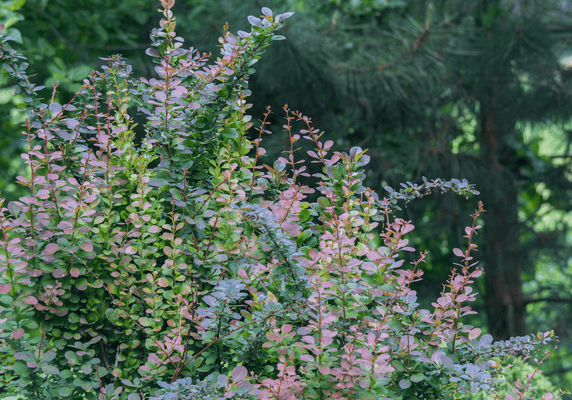
Japanese Barberry
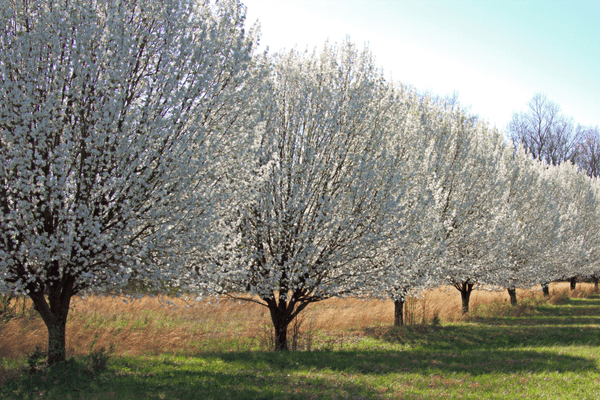
Bradford Pear
How we got here
Many invasive plants were introduced intentionally for landscaping, agriculture, or erosion control, while others arrived unintentionally through trade and travel.
Because these plants did not evolve in local ecosystems, they often lack the natural predators and controls that keep them in balance. As a result, some spread rapidly and disrupt the systems that native plants and animals depend on.
Making room for native plants
Removing invasive plants opens the door for native species to return.
Without removing invasive plants first, new plantings can struggle to take hold.
Once established, native plants rebuild the relationships that support insects, birds, and other wildlife. Over time, these connections help restore the balance and function of the ecosystem.
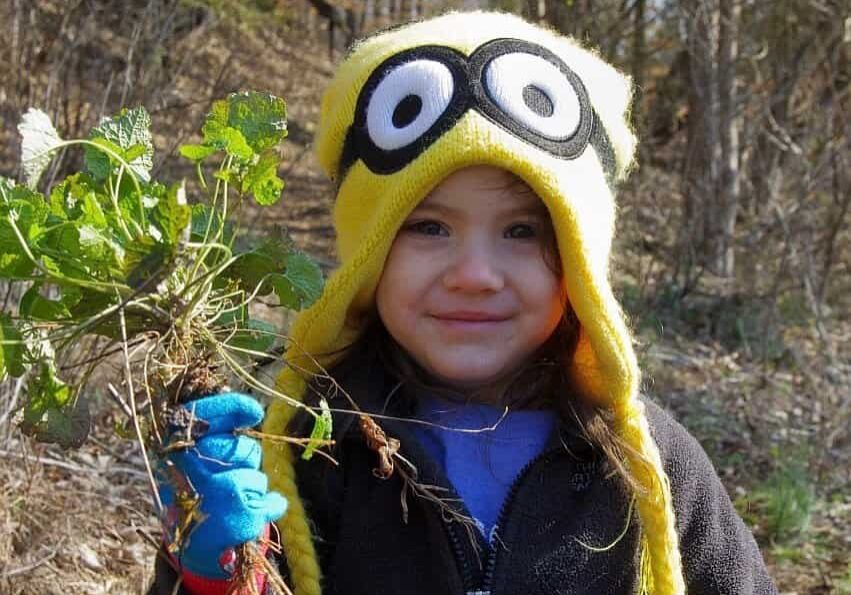
Photo from Weed Wrangle in Nashville, Tennessee
Start where you are
You do not need to remove everything at once. Start with one area, one species, or one project.
Over time, these efforts add up. As more people remove invasive plants and replace them with native species, these spaces begin to connect and support life at a larger scale.
Related
Remove invasive species
Choose plants that make a difference
Find native plants near you
Learn why native plants matter