

Photo from Anonymous | Brooklyn, Michigan

It all comes down to relationships
Plants and animals have evolved together over millions of years. These relationships determine what can survive in a given place.
Some are highly specialized. For example, hummingbirds and certain flowers coevolved, with longs beaks and tubular flowers matching each other over time. Others are more general, like animals eating fruit and spreading seeds.
But many of the most important relationships are between plants and insects.
Most insects need specific plants
Insect populations are declining across many regions, especially the species that ecosystems depend on most. One major reason is the loss of the plants they need to survive.
The vast majority of North American caterpillar species, for example, can only feed on a small number of specific plants. They cannot develop on most other types of vegetation.
If those plants are missing, caterpillars cannot survive, and the food web begins to break down. Caterpillars are especially important because they transfer energy from plants to other animals, making them a critical link between plants and wildlife.
Learn more about the role of caterpillars:
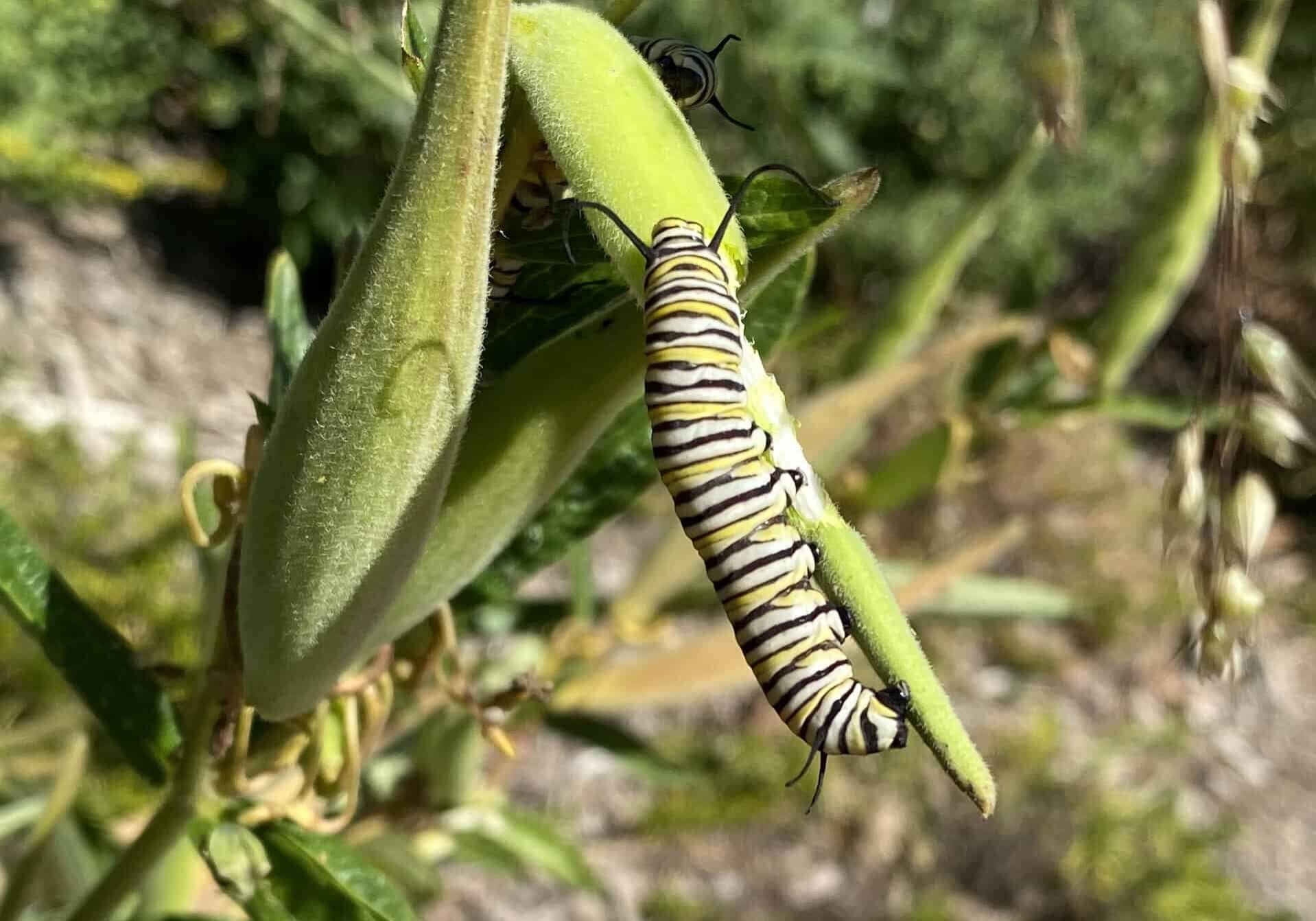
Photo from Samantha Nelson Alexandria
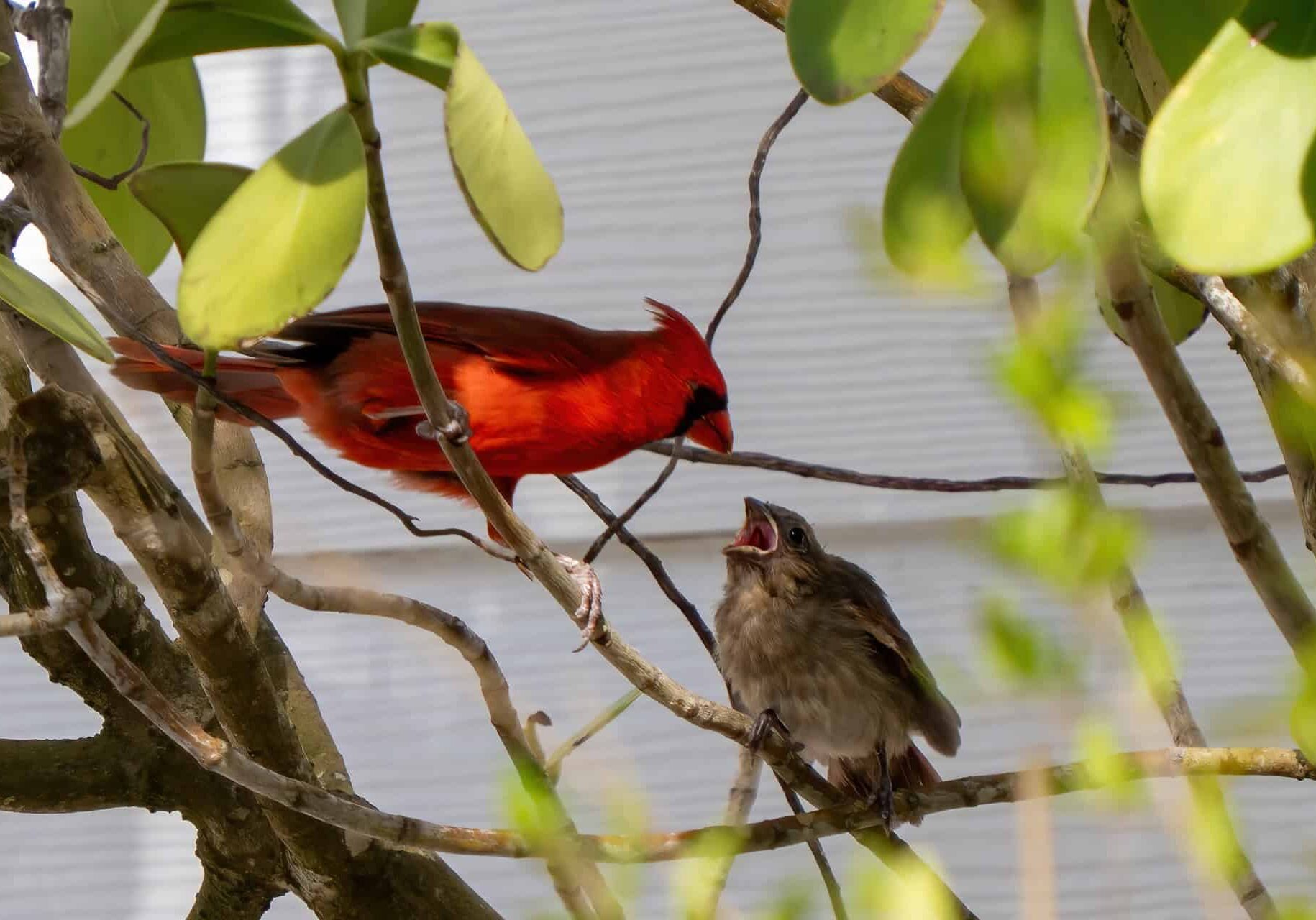
Photo from Eileen Naaman in Siesta Key, Florida
And birds depend on them
This becomes especially clear when you look at birds.
Caterpillars are a critical food source for birds, especially when raising young. A single nest of chickadees requires more than 5,000 caterpillars to successfully raise one brood.
Without enough caterpillars, birds cannot reproduce at sustainable levels.
This is how ecosystems function
Not just parts, but relationships. Insects support birds and other wildlife. Together, these relationships form a food web that sustains life.
When native plants are replaced with species that wildlife cannot use, those connections are weakened—and sometimes disappear entirely.
These systems support us, too
Healthy ecosystems provide essential benefits like clean air and water, pollination, natural pest control, and carbon storage.
These benefits depend on biodiversity, the variety of life in a given area. When biodiversity declines, these systems become less stable and less able to support both wildlife and people.
Photo from Hannah Monroe in Indianapolis, Indiana
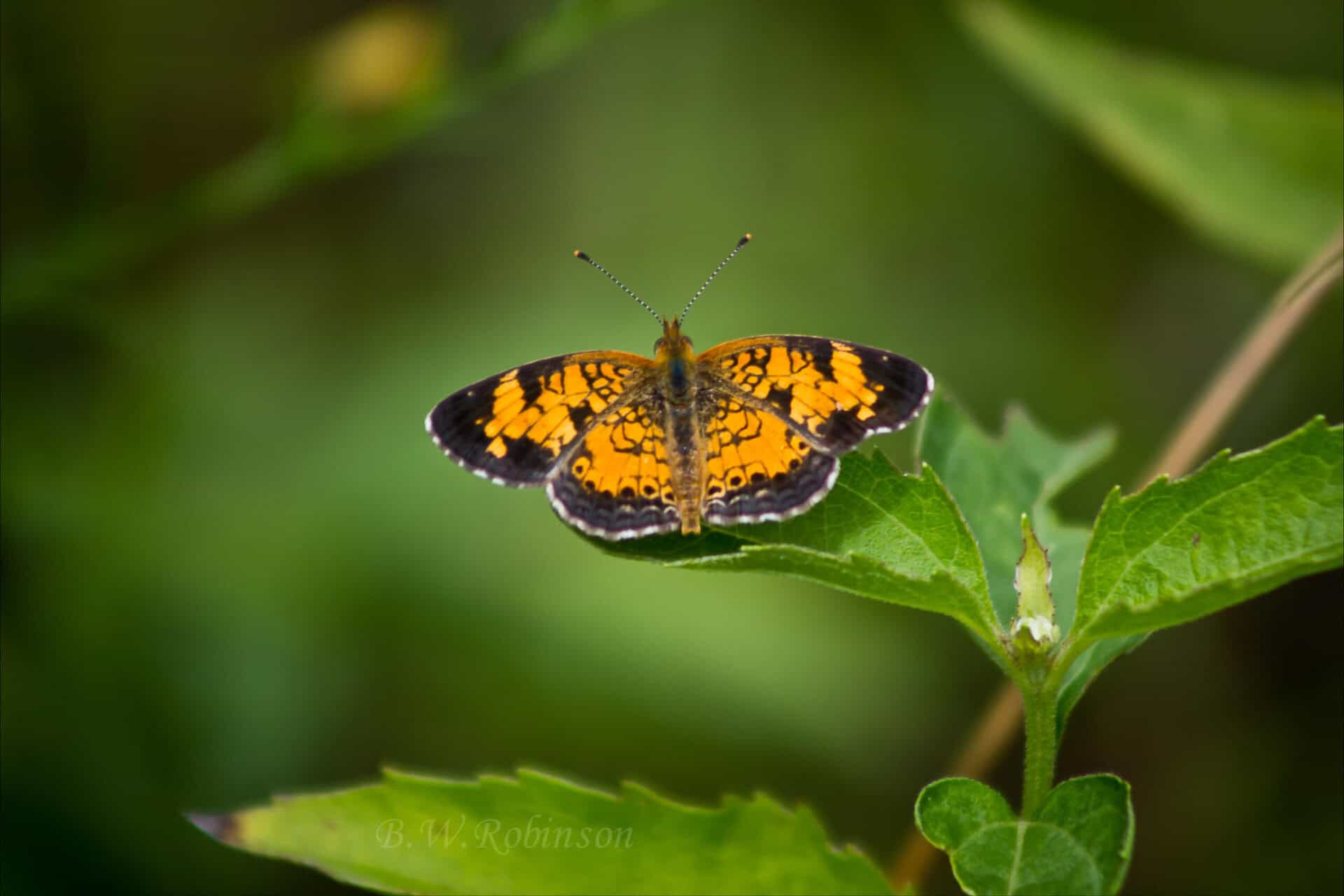
Photo from Brandon Robinson
Some plants support more life than others
Doug Tallamy coined the term “keystone plants” to describe species that support a disproportionately large number of insects and animals.
For example, oak trees support more than 1,000 species of butterflies and moths (bird food) in the United States, making them one of the most important plants for supporting food webs.
Choosing these plants has an outsized impact on the amount of life your space can support.
More native plants means more life
The more native plants you include, especially keystone species, and the more variety you plant, the more biodiversity your space can support.
Higher biodiversity is associated with healthier ecosystems that are better able to withstand environmental stress, resist disease, and continue providing essential functions over time.
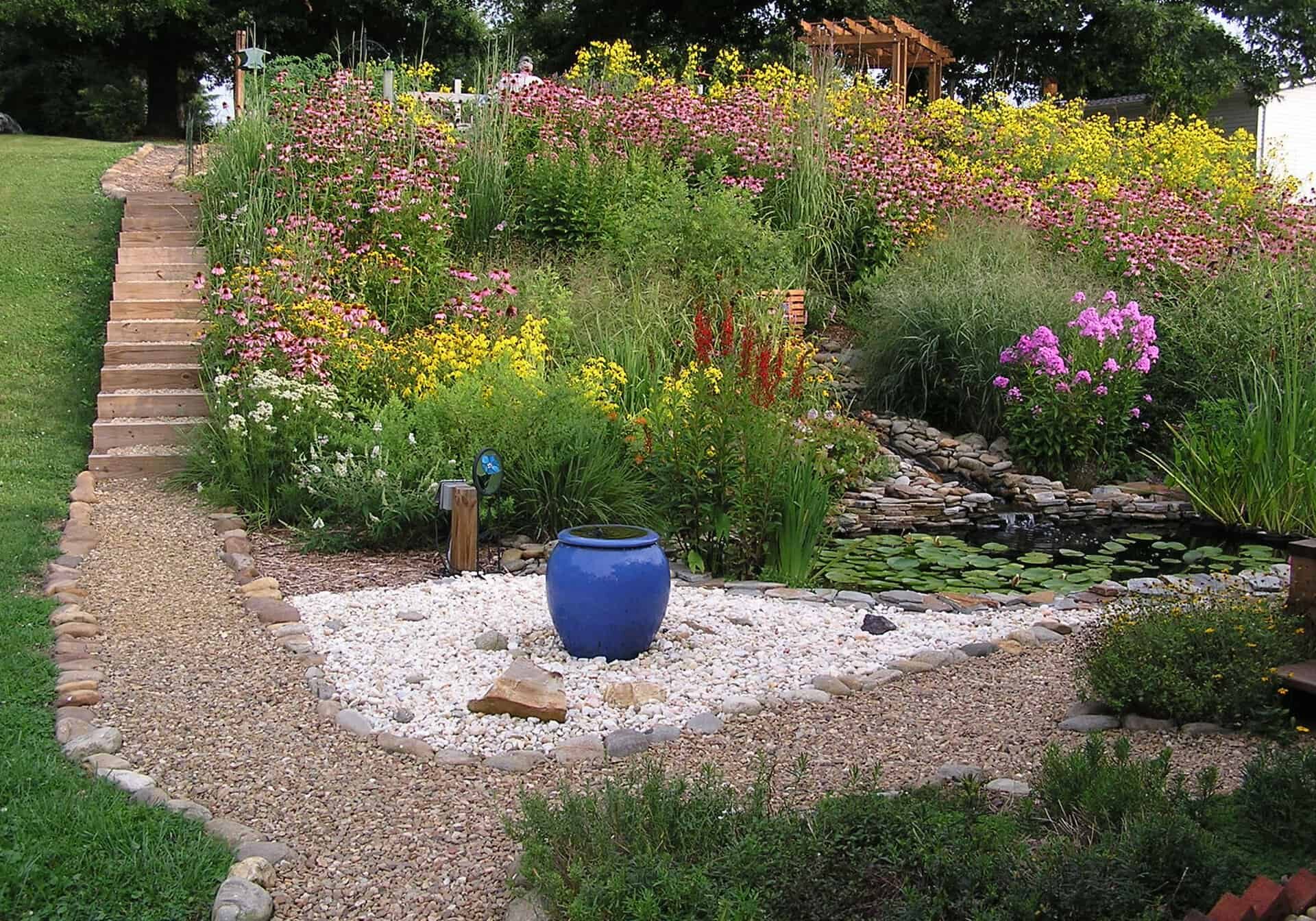
Photo from Joy Stewart
Start where you are
You don’t need a large space or special expertise to make a difference. A yard, a garden bed, or even a small planting area can support meaningful life.
When many people take action, these spaces begin to connect, creating networks of habitat across neighborhoods and communities.
D.L. Narango,D.W. Tallamy, & P.P. Marra, Nonnative plants reduce population growth of an insectivorous bird, Proc. Natl. Acad. Sci. U.S.A. 115 (45) 11549-11554, (2018).
Narango, D.L., Shropshire, K.J., and Tallamy, D.W. 2020. Few keystone plant genera support the majority of Lepidoptera diversity. Nature Communications 11: 5751
Related
Get started planting native
Choose plants that make a difference

Find native plants near you
Why remove invasive plants