

All photos from Leaf & Limb | Raleigh, North Carolina
Trees and shrubs that support the most life
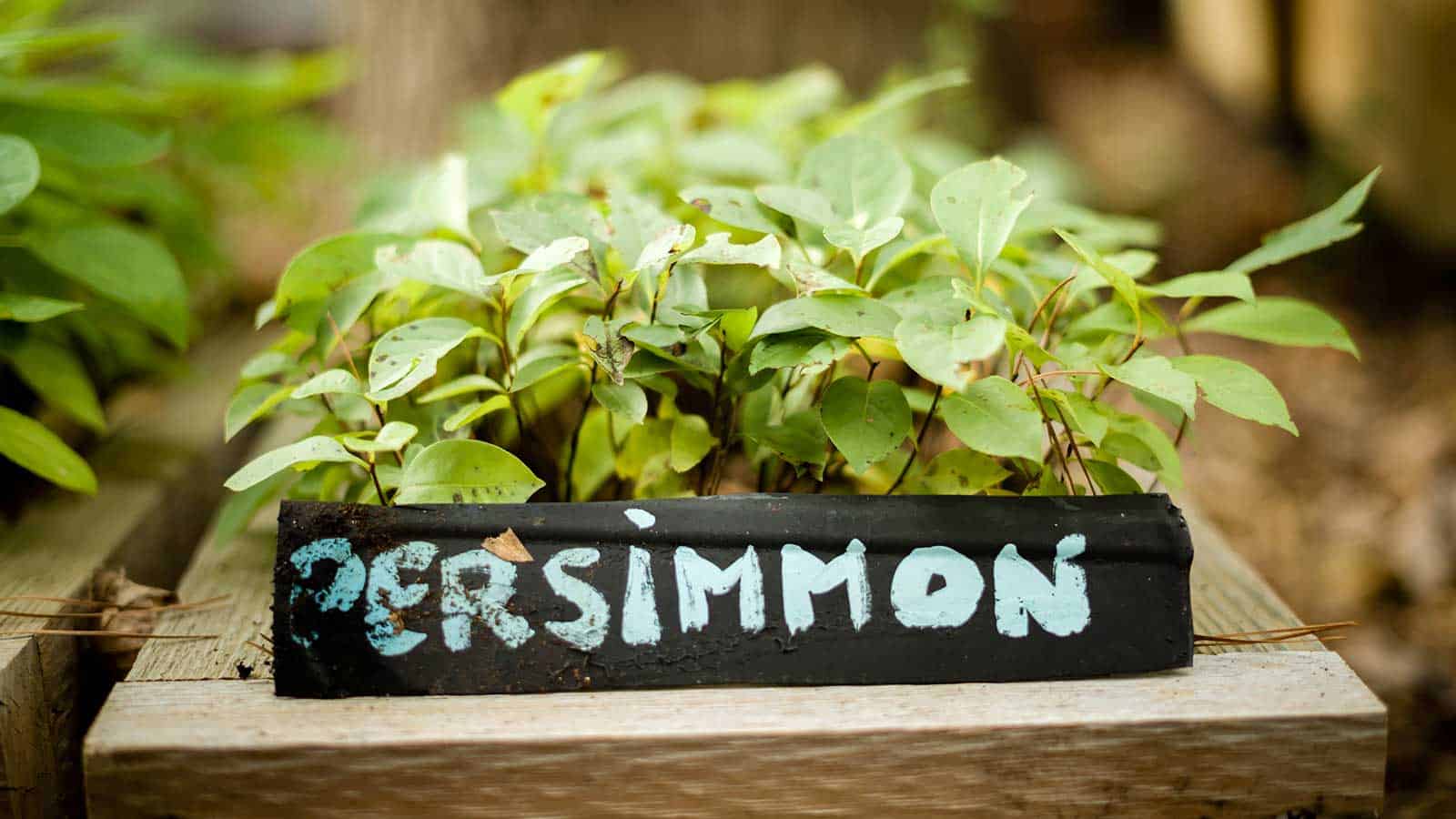
Native trees and shrubs are the foundation of thriving ecosystems. They feed pollinators, shelter and feed birds, and add beauty to your yard year-round. Unlike nonnative ornamentals, native species evolved alongside local wildlife and provide the food and habitat they depend on. Every native tree and shrub you plant helps restore biodiversity, right where you live.
Keystone species like oaks and willows support hundreds of kinds of caterpillars, which birds rely on to feed their young. Add soft landings underneath, a bed of native plants under the tree's branches, and you create layered habitat that supports even more wildlife.
Fall is prime planting time
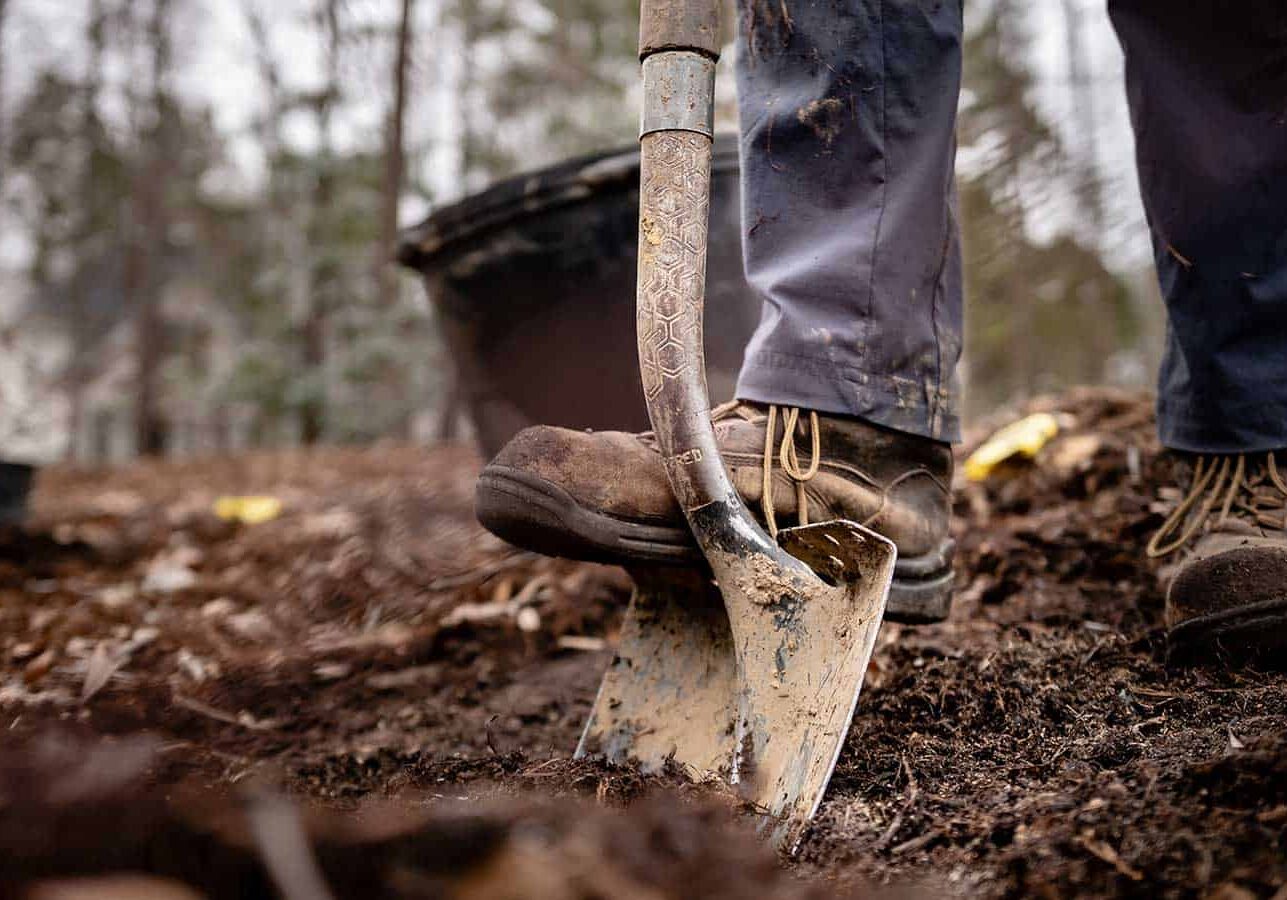
In much of the U.S., fall is the best time to plant trees and shrubs. Cool air and warm soil let roots grow without heat stress, so plants get a strong start before summer. Spring works well too, especially in colder or wetter regions. Summer is the hardest season to plant unless you can water steadily.
- Southeast and Mid-Atlantic: Plant from leaf drop through March. Cool, moist soil favors root growth before summer heat.
- Upper Midwest and Northeast: Early fall is ideal. In very cold areas, spring may be safer for tender species to avoid frost heave.
- Southwest: Plant in late fall through winter so roots establish before extreme heat.
- Pacific Northwest: Fall to early spring works well, thanks to mild, wet winters.
When in doubt, plant while trees are dormant and the soil is workable, not frozen or waterlogged.
Choose the right tree for the right place
Picking the right tree for your space is the biggest factor in its long-term success. A poor match can mean root damage, cracked sidewalks, costly upkeep, or a tree that dies early. The right match gives you decades of shade and habitat with very little upkeep.
Start with four questions
1. What do you want the tree to do?
Before you think about looks or cost, decide what you want the tree to do. Shade a patio? Create a privacy screen? Frame the front of the house, or give kids something to climb? Once you know the goal, you can look at site conditions.
2. What are the soil and light conditions?
Is the spot soggy or dry, sunny or shady? Does the soil drain well, or is it compacted clay? Some species prefer dry, rocky soil. Others need rich, loamy soil. You can amend soil, but you'll have more success choosing a species that thrives in what you have.
For light, full sun means 6 or more hours a day. Partial sun means 3 to 6 hours, and shade means less than 3. Most trees need at least partial sun.
3. How big will it get?
It may look like a stick now, but picture it in 20 years. Check for buildings, sidewalks, fences, and overhead wires.
Look underground too. A tree's roots can spread even wider than its branches, so think about that space. Could roots lift a nearby patio? Roots don't break pipes, but large pipes are still worth considering. The goal is a healthy tree you never have to remove because it ran out of room.
4. What other features should it have?
In rural areas, you might want a deer-resistant species. You might want an evergreen for year-round color, or a tree with bright fall leaves, spring flowers, or seeds and berries for birds and other wildlife. There's a native tree for almost every goal.
See additional "Right Tree, Right Place" recommendations on Leaf & Limb.
The right choice saves work later
Choosing a tree that fits your goal and your site means less care over time. It also gives your tree the best chance at a long, healthy life.
How to plant a tree or shrub
What you’ll need
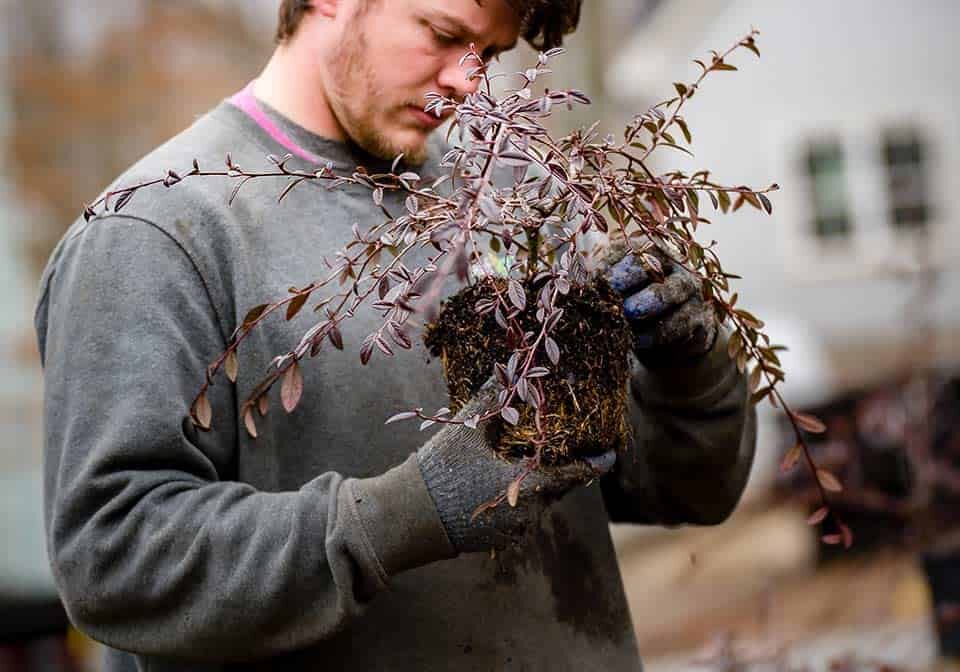
A shovel, high-quality compost (no fertilizer), arborist wood chips, a hose or watering can, and a hand tool for loosening roots.
Take the tree out of its pot
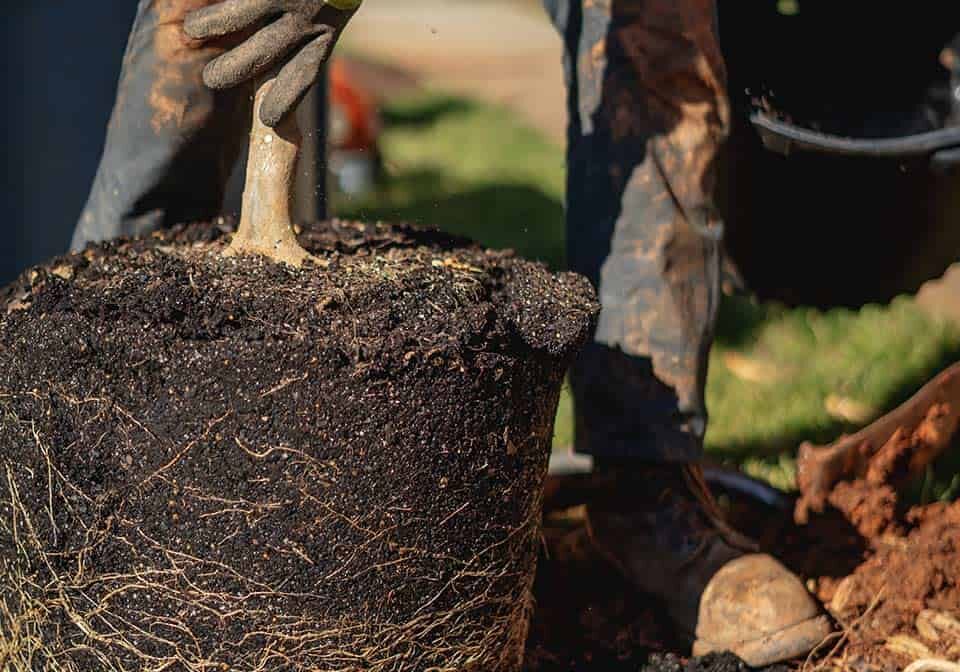
Squeeze the sides of the pot and gently slide the tree out. If your tree came wrapped in burlap, cut and remove all. You'll remove at least the top half of the wire once the tree is in the hole.
Find the root flare
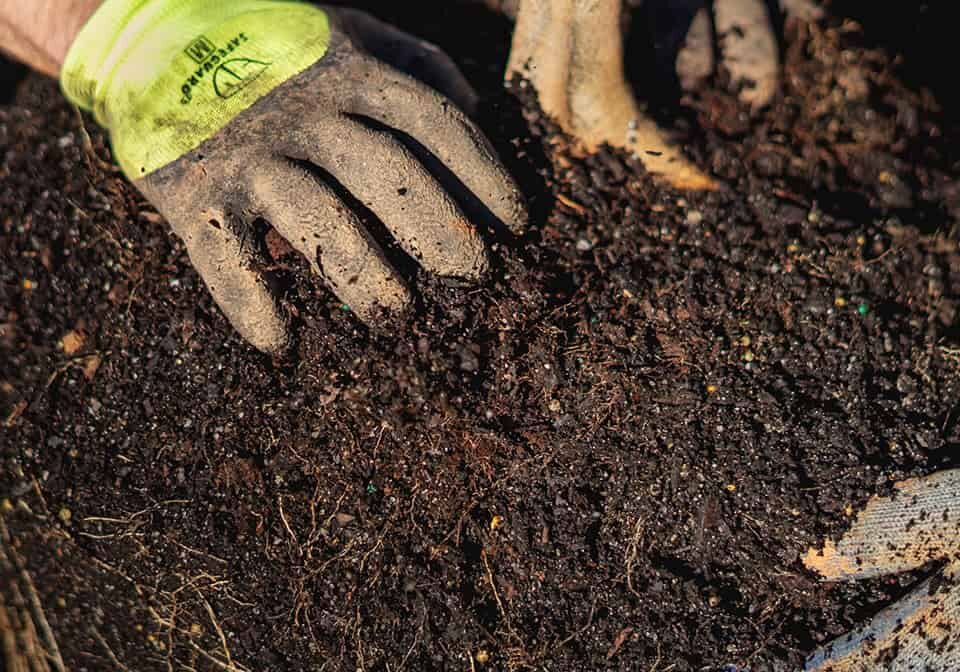
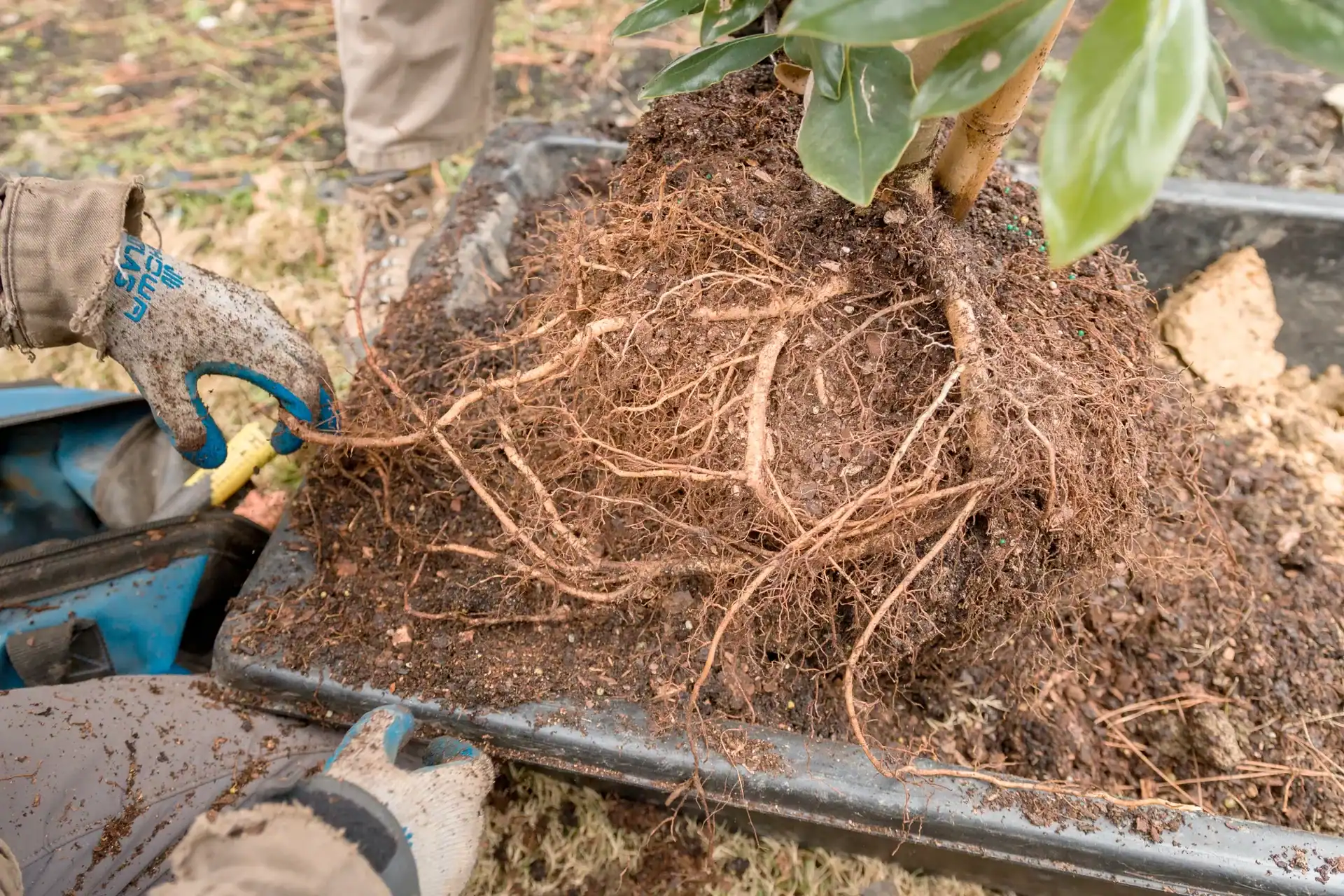
The root flare (also called the root collar) is where the trunk widens into the roots. Most nursery trees come with it buried under extra soil. Gently scrape soil off the top of the root ball until you see the larger roots spreading out from the trunk. You can cut away the thin mat of roots growing in that extra soil.
Loosen circling roots
Check the outside of the root ball. If roots wrap around it, gently tease them loose so they grow outward instead of in circles. If they're too tight to pull apart, score the outside of the root ball vertically with a knife.
Dig wide, not deep
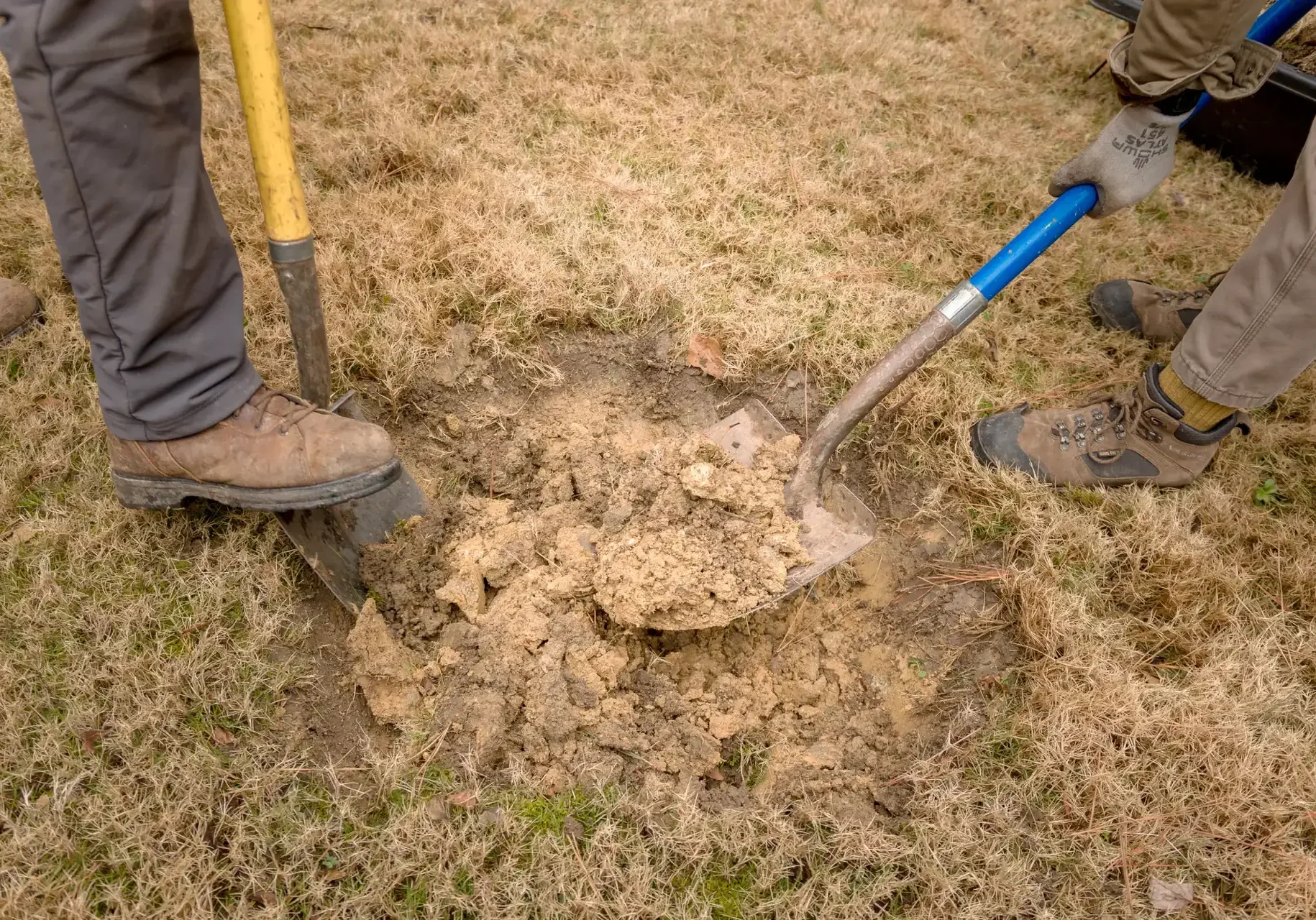
Measure the root ball from the base of the root flare to the bottom. Dig your hole slightly shallower than that, because trees settle over time. Make it two to three times as wide as the root ball. Loose soil around the edges gives new roots room to spread.
Set the tree in the hole
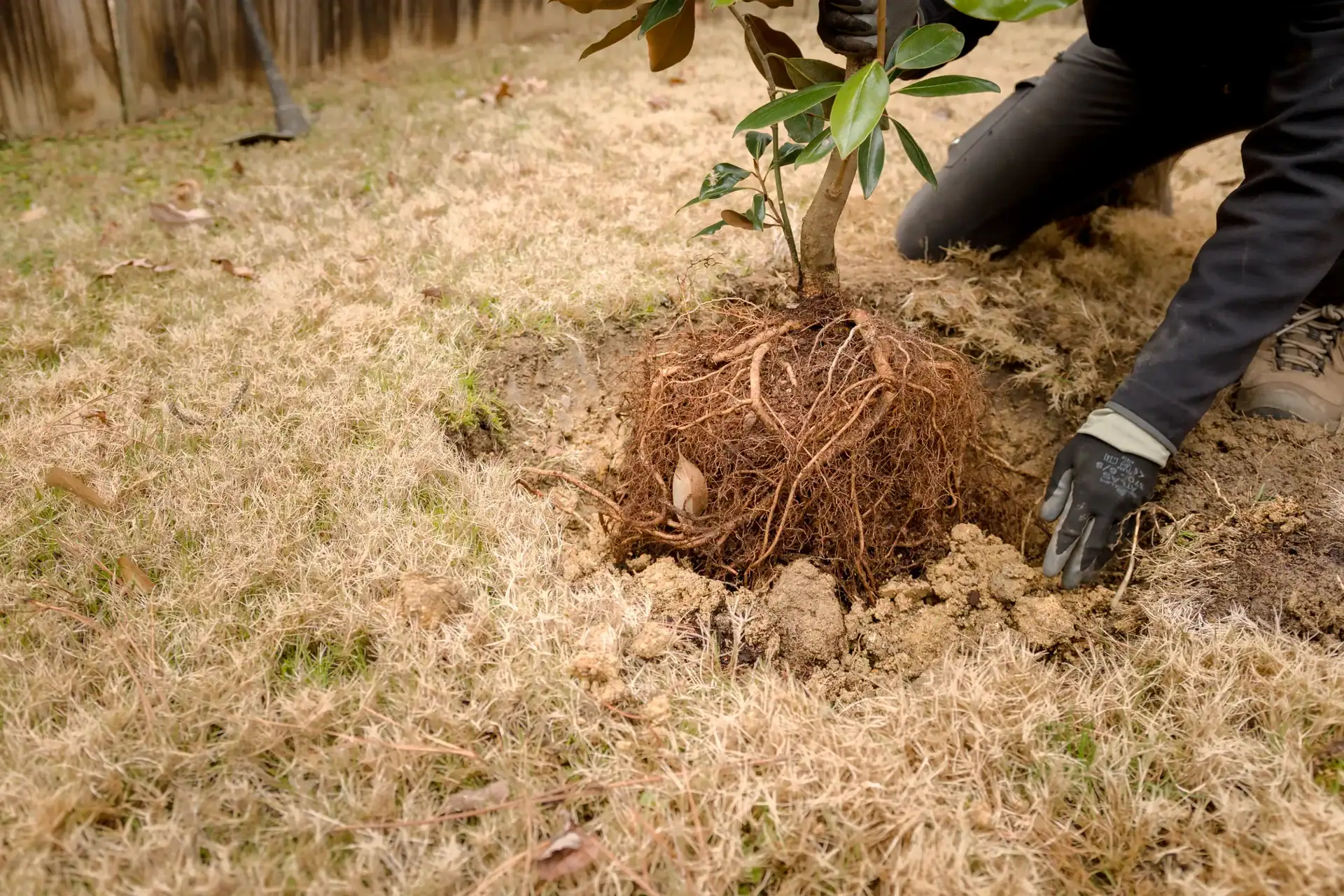
Gently place the tree in the hole. The root flare should sit level with the surrounding ground or just above it. Get down at ground level and look across the hole to check. When in doubt, plant higher. Shallow is always better than deep.
Backfill with soil and compost
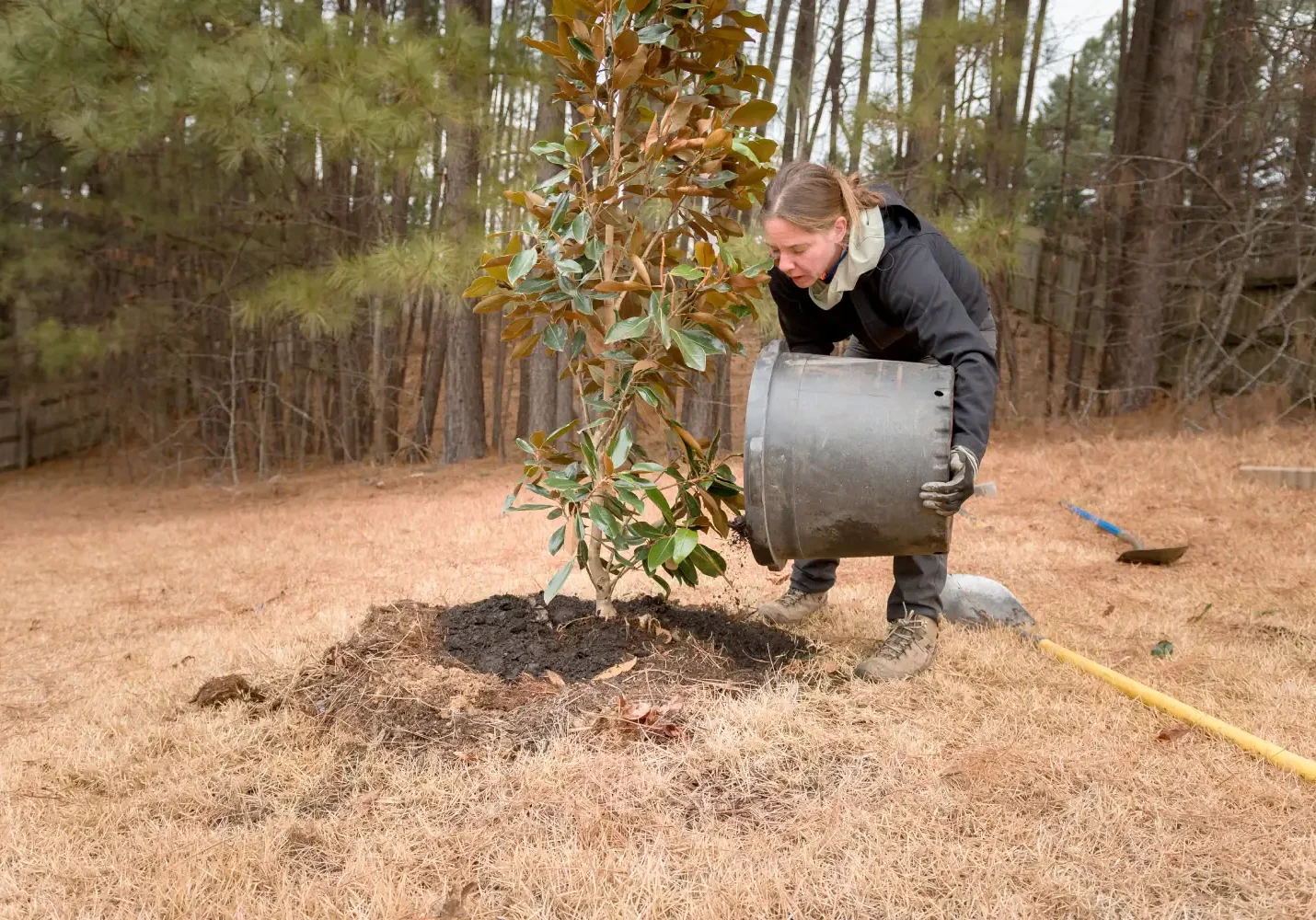
Make sure the trunk stands straight. Pack some soil around the bottom third of the root ball to hold it in place. Then fill the hole with a mix of the soil you dug out and high-quality compost. Skip fertilizer, which can burn new roots. Break apart any large clumps as you go.
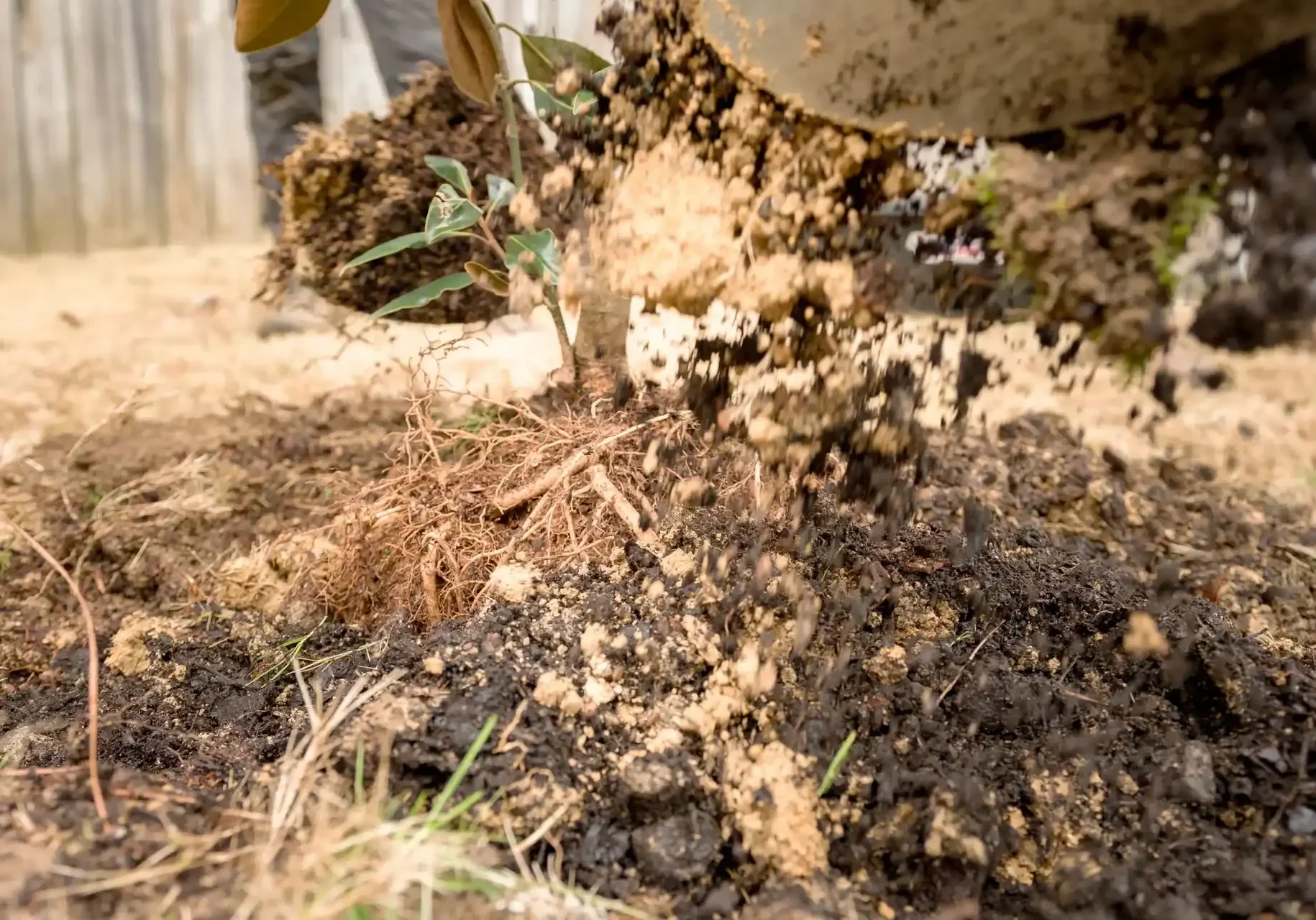
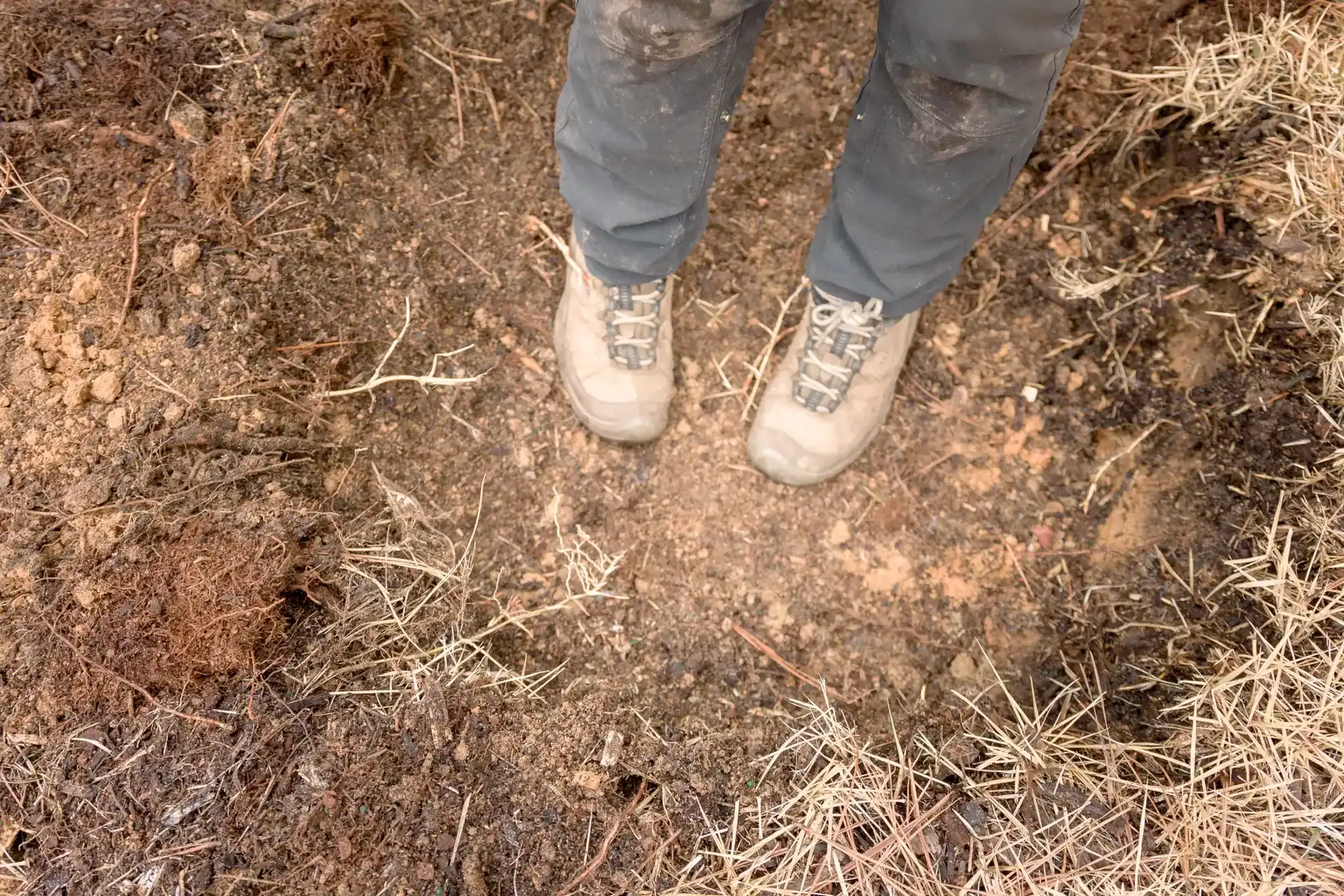
Firm the soil gently
Press the soil with one foot to remove large air pockets. Press a little less firmly as the hole fills. You want the root ball held securely, with soil that still has space for air and water, like a sponge.
Check the height again
Get down at ground level and look across the hole one more time. Filling and pressing the soil can shift the tree. The root flare should still sit level with or just above the surrounding ground. If the tree has sunk, gently lift it and pack a little more soil underneath.
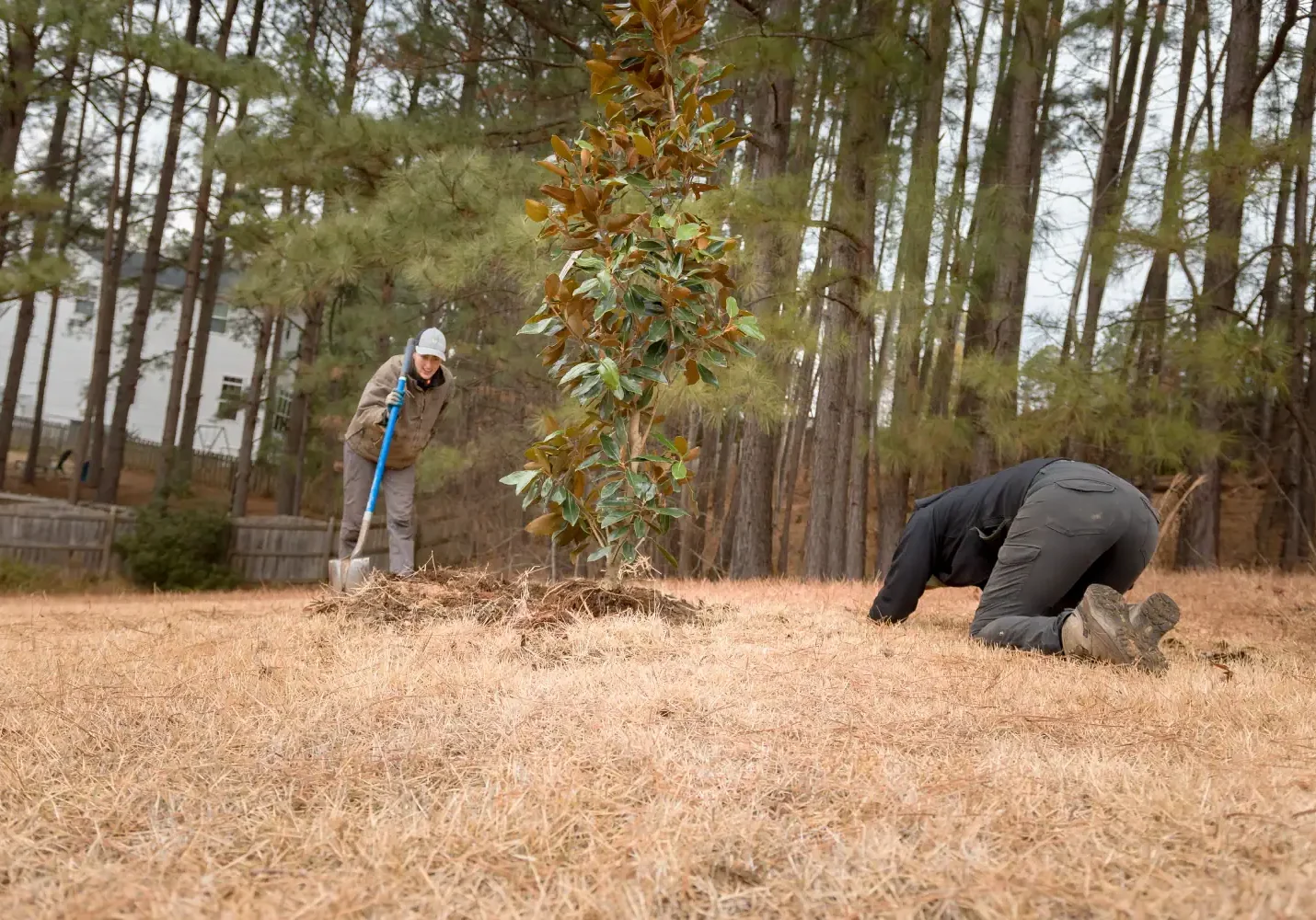
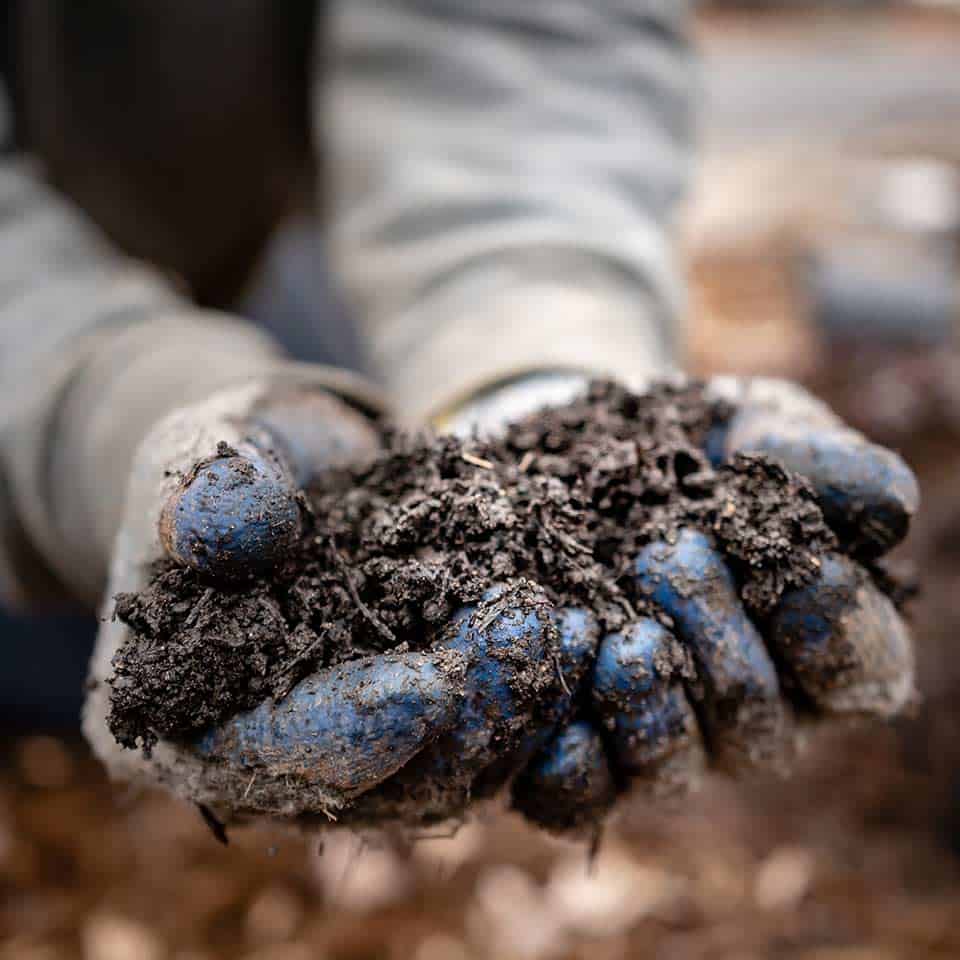
Top with compost
Spread a final layer of compost over the firmed soil.
Add arborist wood chips
Spread arborist wood chips 3 to 6 inches deep, out to the edge of the tree's branches if you can. Leave at least a 3-inch gap between the chips and the trunk. Wood chips piled against the trunk trap moisture and can cause rot.
Water it in
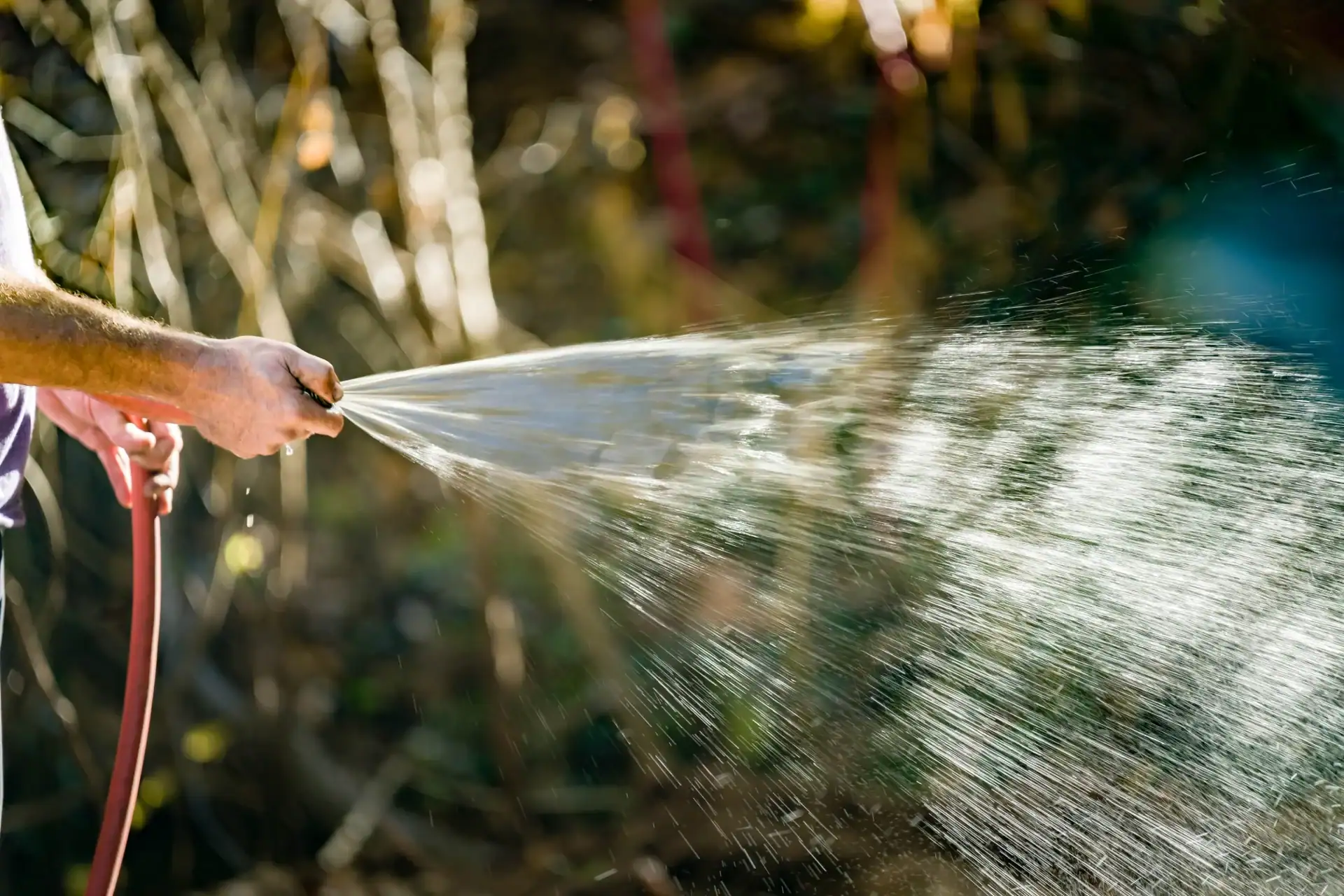
Soak the root ball and surrounding soil slowly right after planting. This settles the soil and fills any leftover air pockets. Your tree will need regular, deep watering for its first two to three years. See the watering schedule.
Protect saplings and small trees
In some cases, you may need to cover the base of the trunk with a trunk protector, or install a wire fence to prevent damage from deer or string trimmers. Here’s video on how to build a tree cage for a sapling:
Does your tree wobble?
Most trees don't need staking, but if yours leans or rocks after planting, use three stakes spaced evenly around the tree, outside the root ball. Attach flexible lines to the trunk with soft, protective straps. Keep them snug enough to stabilize the tree while allowing some natural movement. Remove the stakes and lines after about one year.
Mulch and common mistakes
Consider starting with a sapling
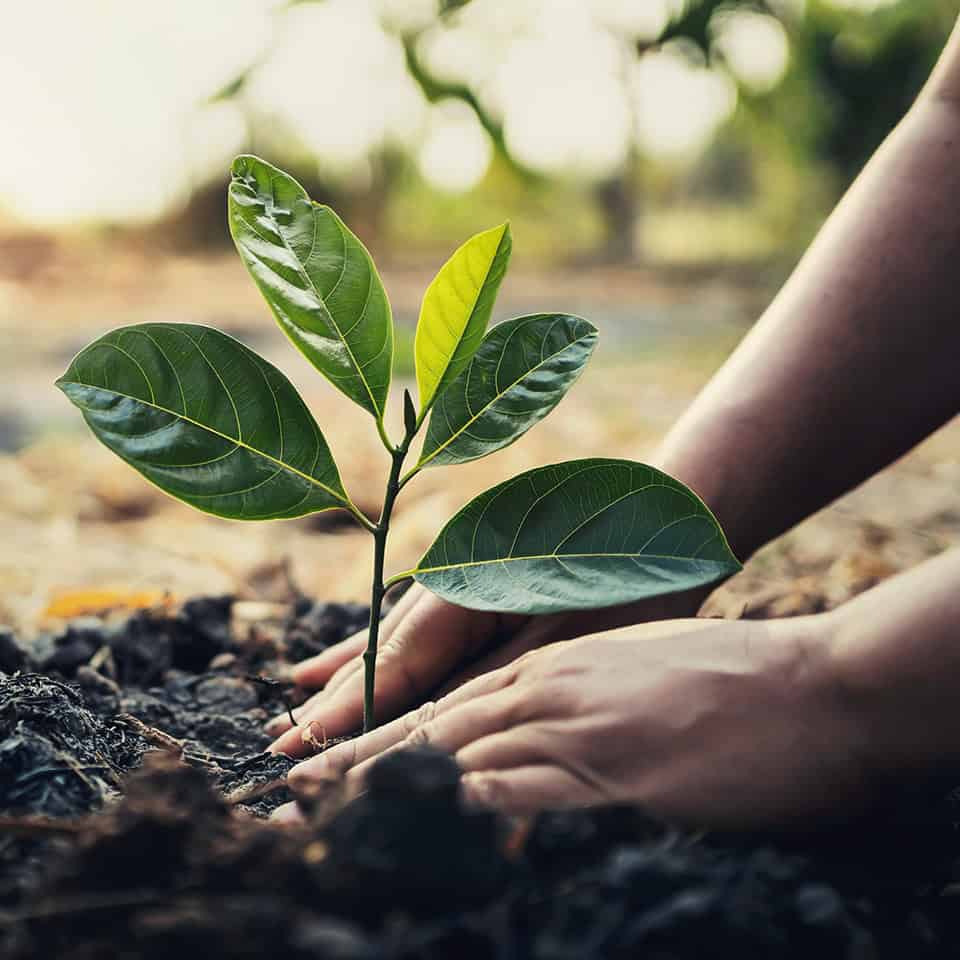
Young trees take less work to plant, need less care, and, compared to larger nursery trees, they establish more quickly & need little water. They also usually live longer, healthier lives.
Saplings take less digging. Their root systems are small and dense, so there's no need for a large hole. Make a wedge in the ground with a small shovel or spade. Set the sapling in with its roots pointing down, then loosely cover it with soil and a layer of wood chips.
Saplings need less water. Larger trees need about 10 gallons of water per inch of trunk diameter, once or twice a week, in their first growing season. Saplings usually need water only during long dry spells, and only a small amount.
Saplings establish faster. Young roots recover from transplanting quickly, so the tree puts more energy into new growth. In 5 to 10 years, a tree planted young will likely be taller and healthier than a larger tree planted at the same time.
Help your tree settle in
Your tree spends its first two to three years building roots. Deep watering, a fresh layer of wood chips each year, and compost help to give it the best start.
Make your trees count
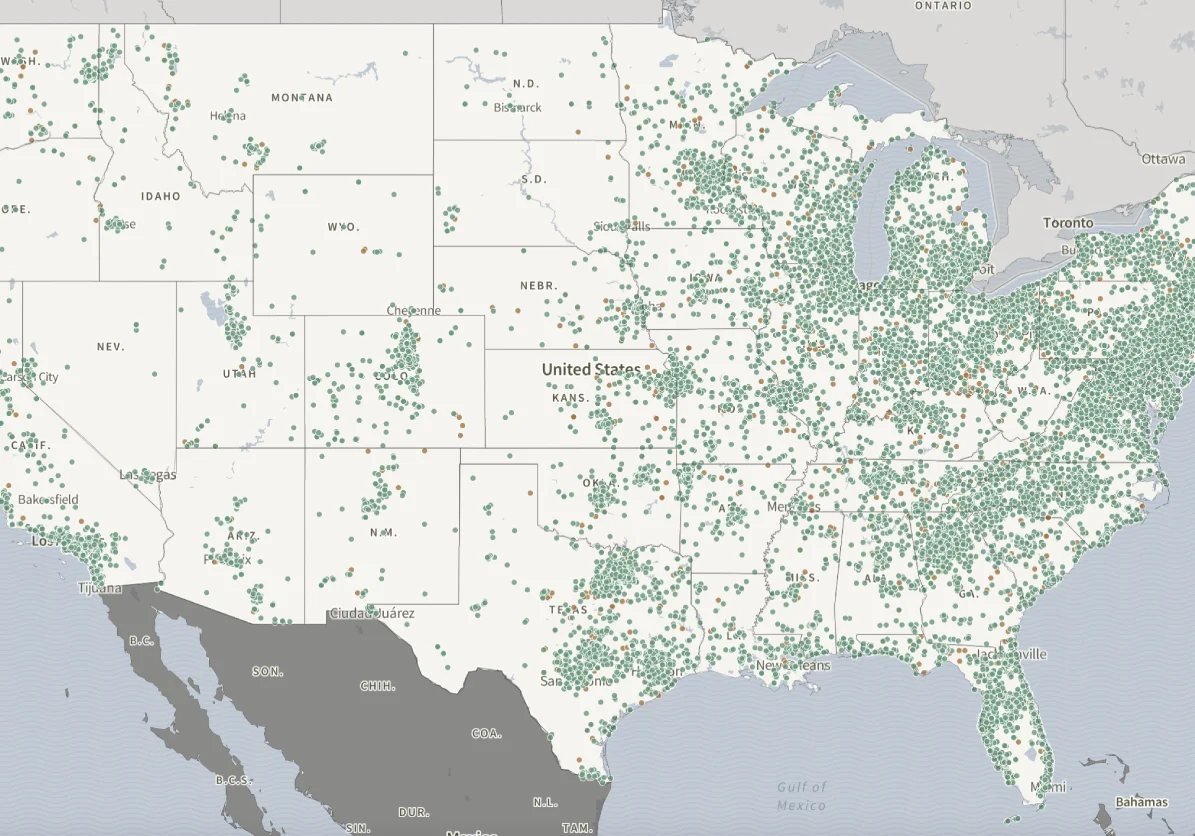
Every native tree and shrub you plant adds food and shelter for insects, birds, and other wildlife where you live. Add your space to the HNP Biodiversity Map and see how your yard connects with others across the U.S. and Canada.

Photos by Leaf & Limb, written in collaboration with HNP and Leaf & Limb
Leaf & Limb is a local, family-owned B Corp that helps heal Earth and share its wonder by planting trees and flowers, caring for them, and helping others do the same.
Project Pando
Project Pando is our non-profit where we connect people with trees to help heal the planet. We do this by operating a native seed hub that works with our community to collect seeds from native trees and shrubs. We then grow these seeds into saplings to benefit native restoration projects in our local ecosystem. Learn more about Project Pando.
Related
Choose plants that make a difference
Find native plants near you
Order native plant kits
Get started planting native