


Keystone Plants for Your Yard
Keystone Plants for Your Yard
High-Impact Natives You Can Find at Local Nurseries (BETA)
Not all natives are equal. Keystone plants feed the most caterpillars, which feed the most birds — find the ones most likely to be available at nurseries near you.
How to use the Keystone Plant Tool with Krista De Cooke
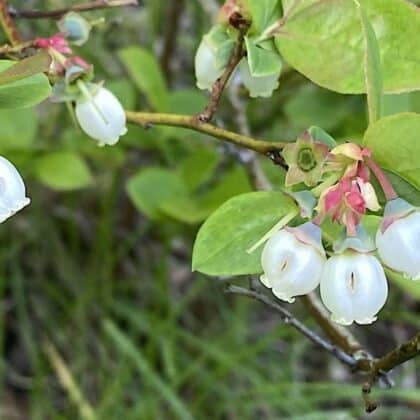
Northern Highbush Blueberry
Vaccinium coymbosum
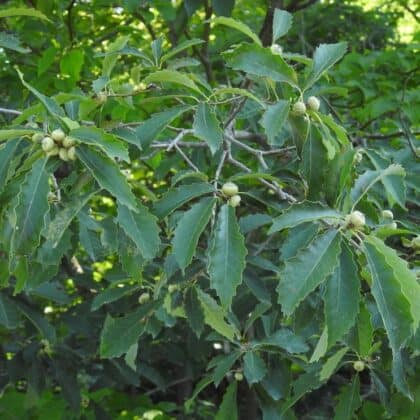
Dwarf Chinkapin Oak
Quercus prinoides
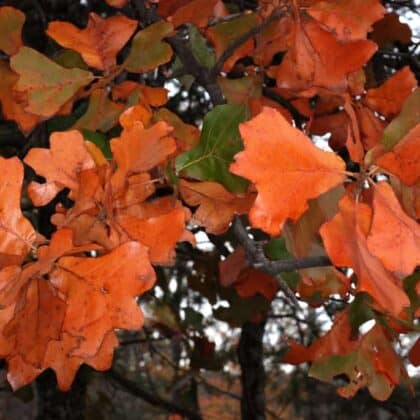
Blackjack Oak
Quercus marilandica
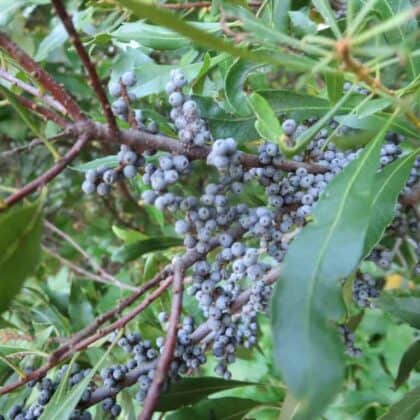
Southern Wax Myrtle
Myrica ceifera
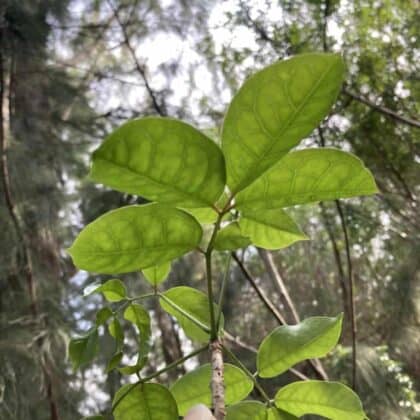
Gumbo-Limbo
Bursera simaruba
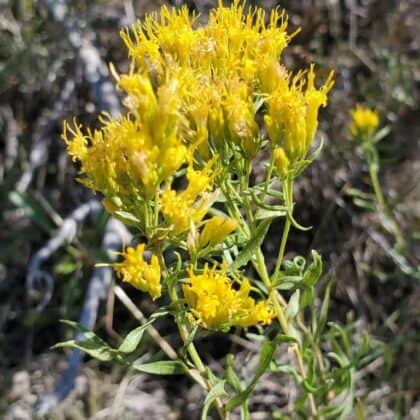
Yellow Rabbitbrush
Chrysothamnus viscidiflorus
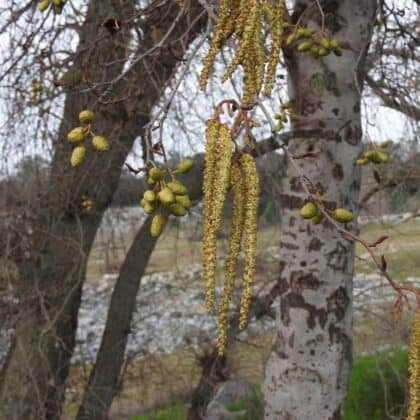
White Alder
Alnus rhombifolia
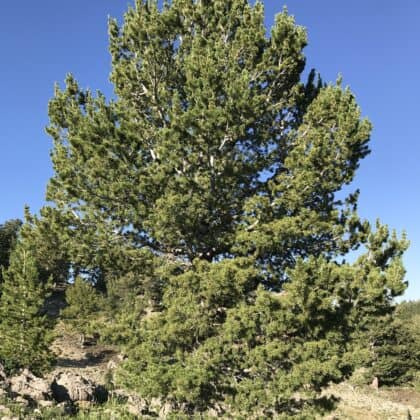
Limber Pine
Pinus flexilis
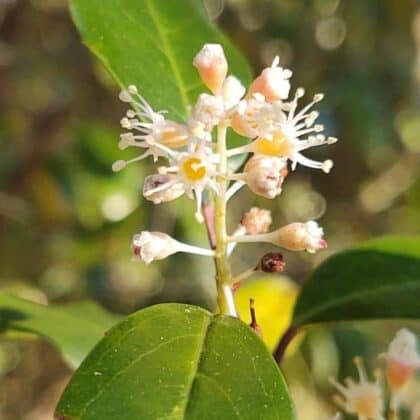
Carolina Cherry Laurel
Prunus caroliniana
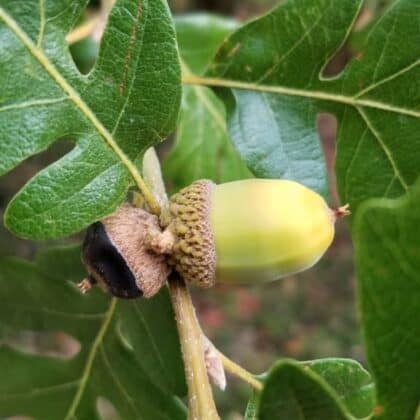
Garry Oak
Quercus garryana
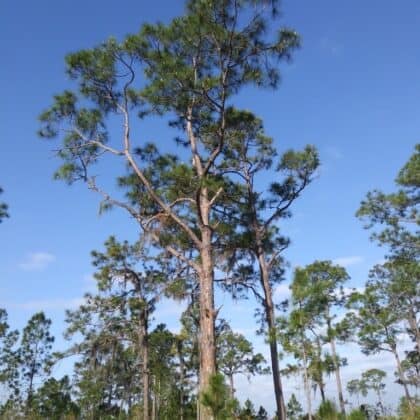
Slash Pine
Pinus elliottii
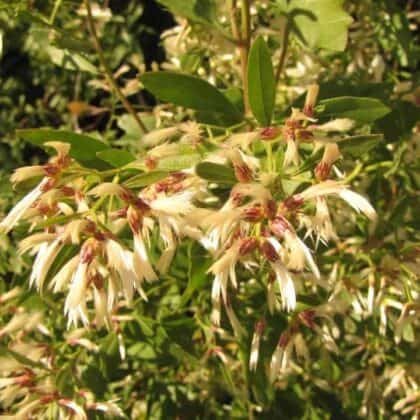
Saltbush
Baccharis halimifolia
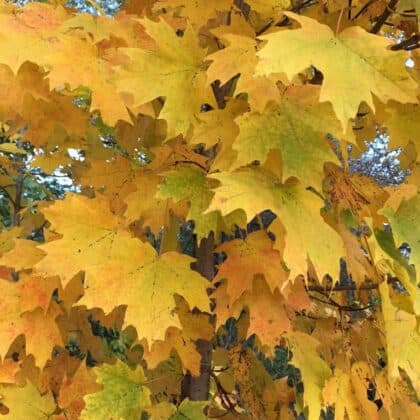
Sugar Maple
Acer saccharum
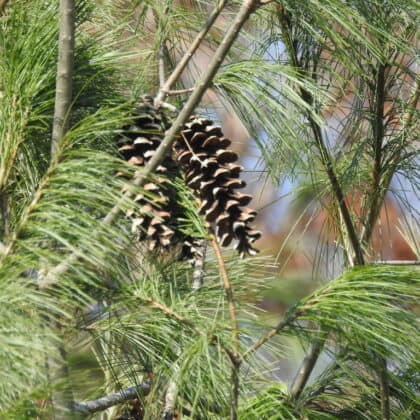
Eastern White Pine
Pinus strobus
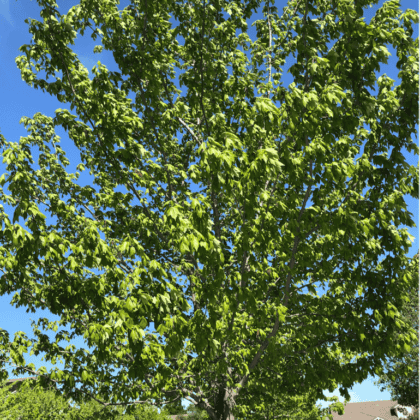
Red Maple
Acer rubrum
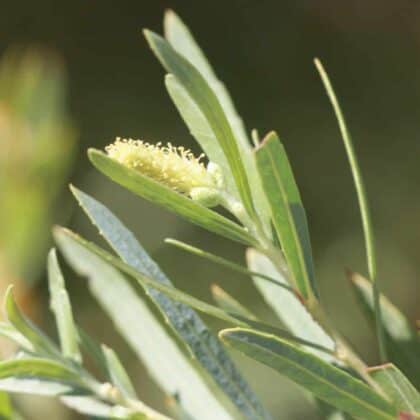
Coyote Willow
Salix exigua
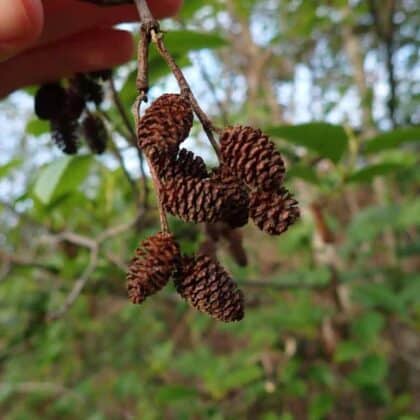
Red Alder
Alnus rubra
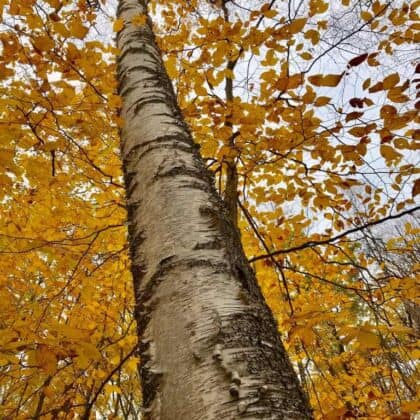
Paper Birch
Betula papyrifera

Our keystone tool uses ecoregions rather than state-by-state native plant lists. Most plants shown are native to a large portion of the ecoregion — and all are highly beneficial to local insects, birds, and wildlife. Learn more about ecoregions here.