


Keystone Plants for Your Yard
Keystone Plants for Your Yard
High-Impact Natives You Can Find at Local Nurseries (BETA)
Not all natives are equal. Keystone plants feed the most caterpillars, which feed the most birds — find the ones most likely to be available at nurseries near you.
How to use the Keystone Plant Tool with Krista De Cooke
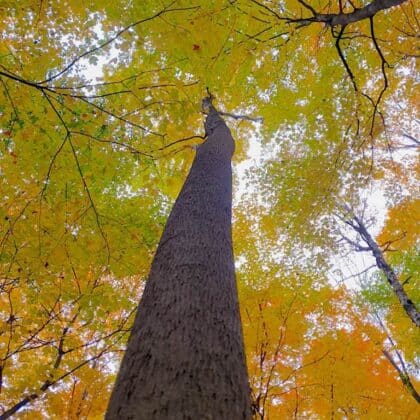
Bitternut Hickory
Carya cordiformis
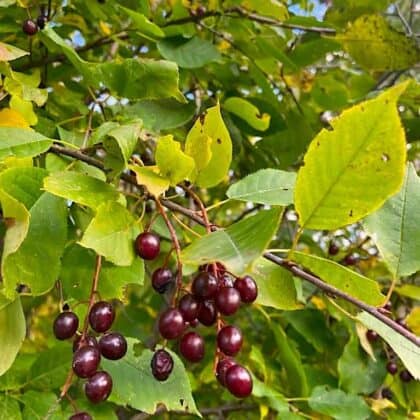
Chokecherry
Prunus virginiana
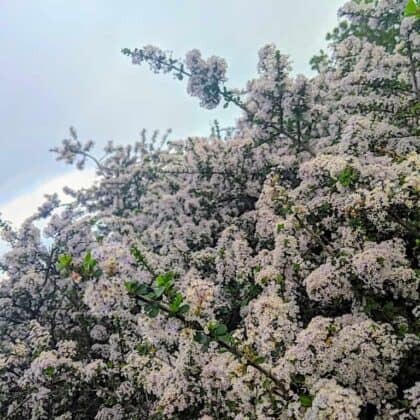
Buckbrush
Ceanothus cuneatus
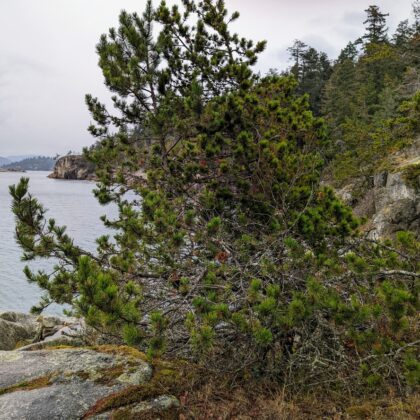
Shore Pine
Pinus contorta
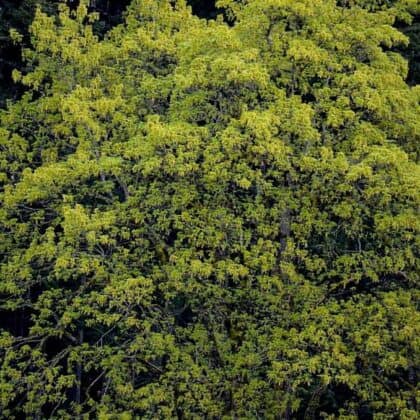
Bigleaf Maple
Acer macrophyllum
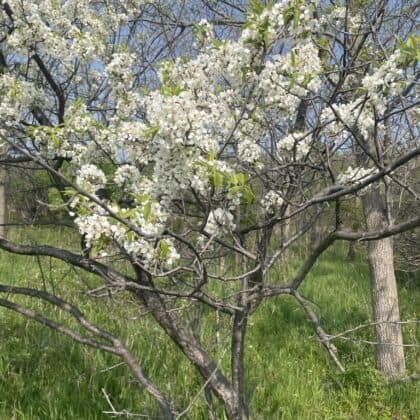
American Plum
Prunus americana
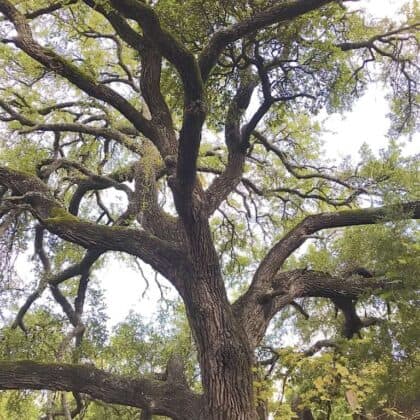
Texas Live Oak
Quercus fusiformis
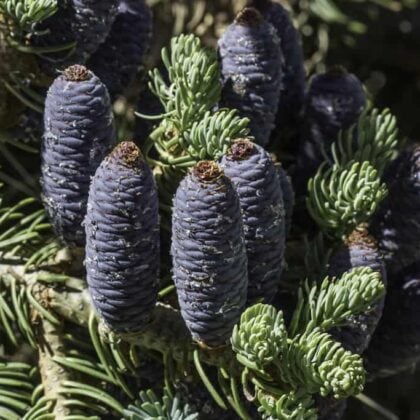
White Fir
Abies concolor
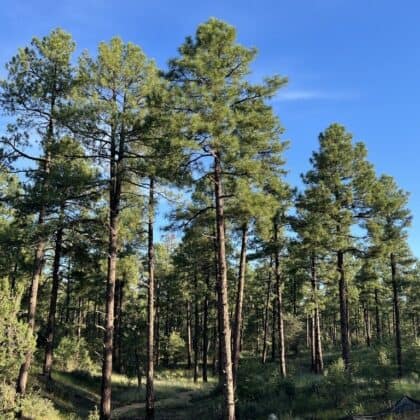
Ponderosa Pine
Pinus ponderosa
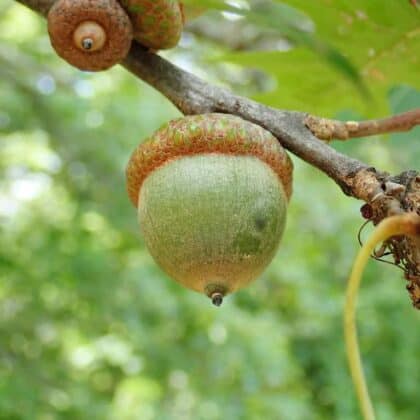
Red Oak
Quercus rubra
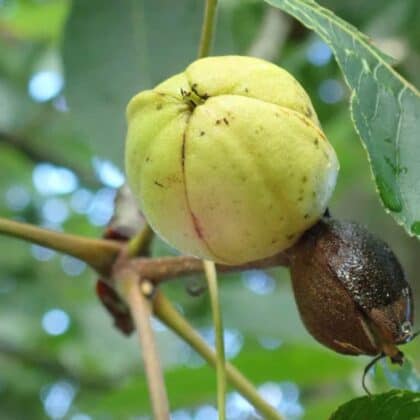
Shagbark Hickory
Carya ovata
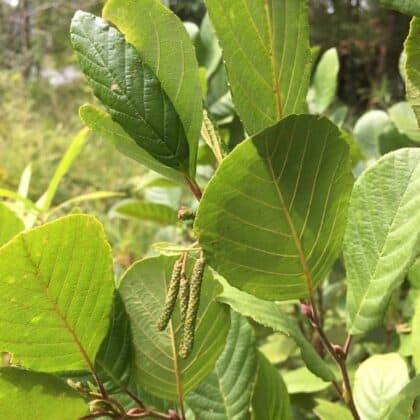
Smooth Alder
Alnus serrulata
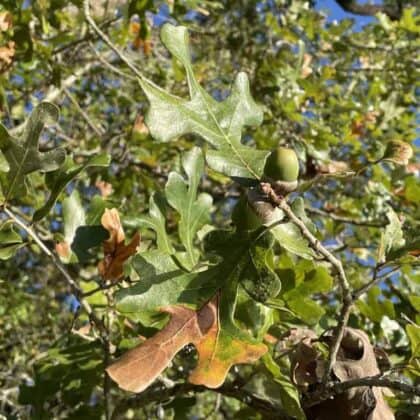
Post Oak
Quercus stellata
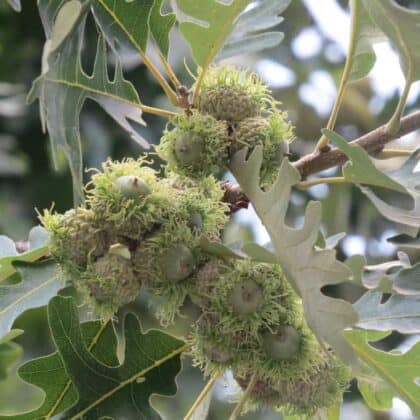
Bur Oak
Quercus macrocarpa
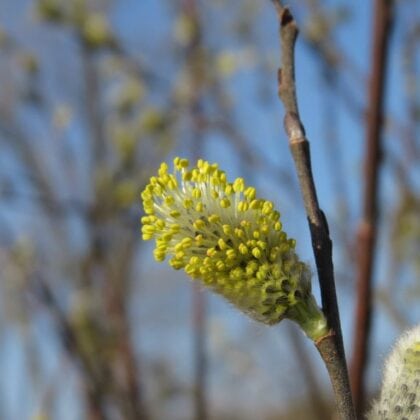
Pussy Willow
Salix discolor
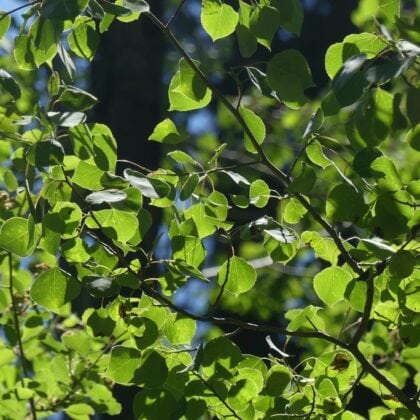
American or Quaking Aspen
Populus tremuloides
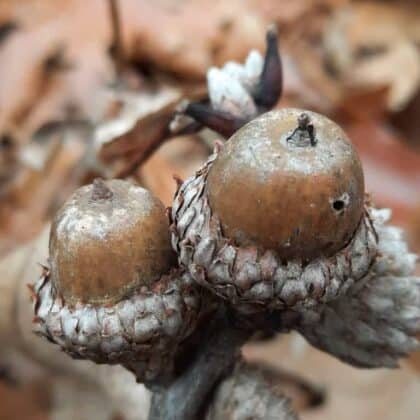
Black Oak
Quercus velutina
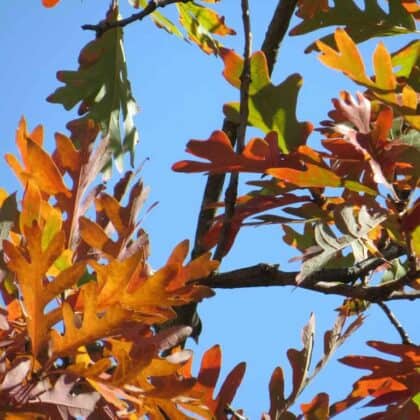
White Oak
Quercus alba
Page 6 of 7

Our keystone tool uses ecoregions rather than state-by-state native plant lists. Most plants shown are native to a large portion of the ecoregion — and all are highly beneficial to local insects, birds, and wildlife. Learn more about ecoregions here.