

Why it matters
Most of us grew up thinking a tidy yard meant clearing every leaf each fall. There's a better way to care for your yard and the life that depends on it.
Fallen leaves aren't debris. They're shelter, food, and nesting material for the wildlife living in your yard through winter. Small changes in how you handle them can support a lot more life.
Who needs your leaves
- Bumblebees burrow into leaf litter for winter.
- Moth and butterfly caterpillars cocoon inside it.
- Fireflies hide and lay eggs beneath it.
- Toads and salamanders tuck into damp leaves for shelter and moisture.
- Songbirds forage through fallen leaves for insects and larvae to eat.
Those same leaves return nutrients to your soil and feed your trees. Leaves aren't clutter. They're home to the wildlife you want to see in your yard.
The easiest way to help wildlife is to leave your leaves where they fall.
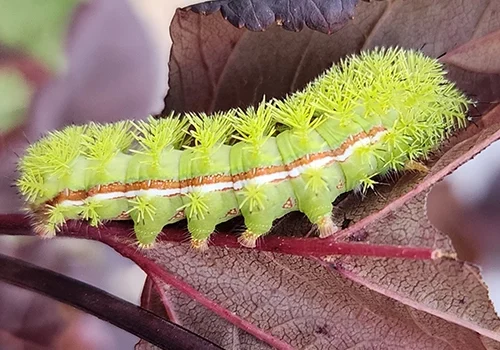
Photo from Nancy Sabella | Strasburg, Virginia
Watch for life hiding in your leaves
Richard Bennett, HNP's Director of Technology, found all of these hiding in his own leaves.
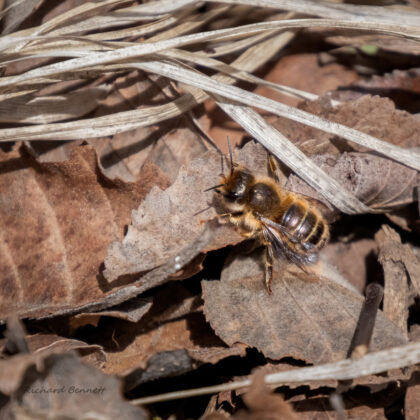
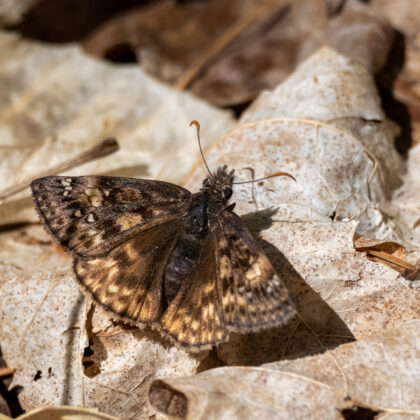
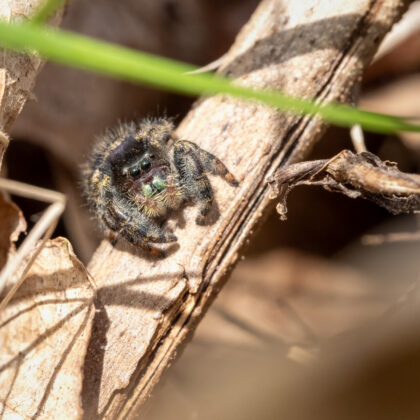
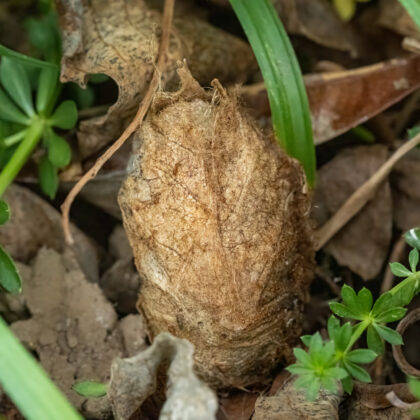
Photos from Richard Bennett | Speedway, Indiana
Common questions
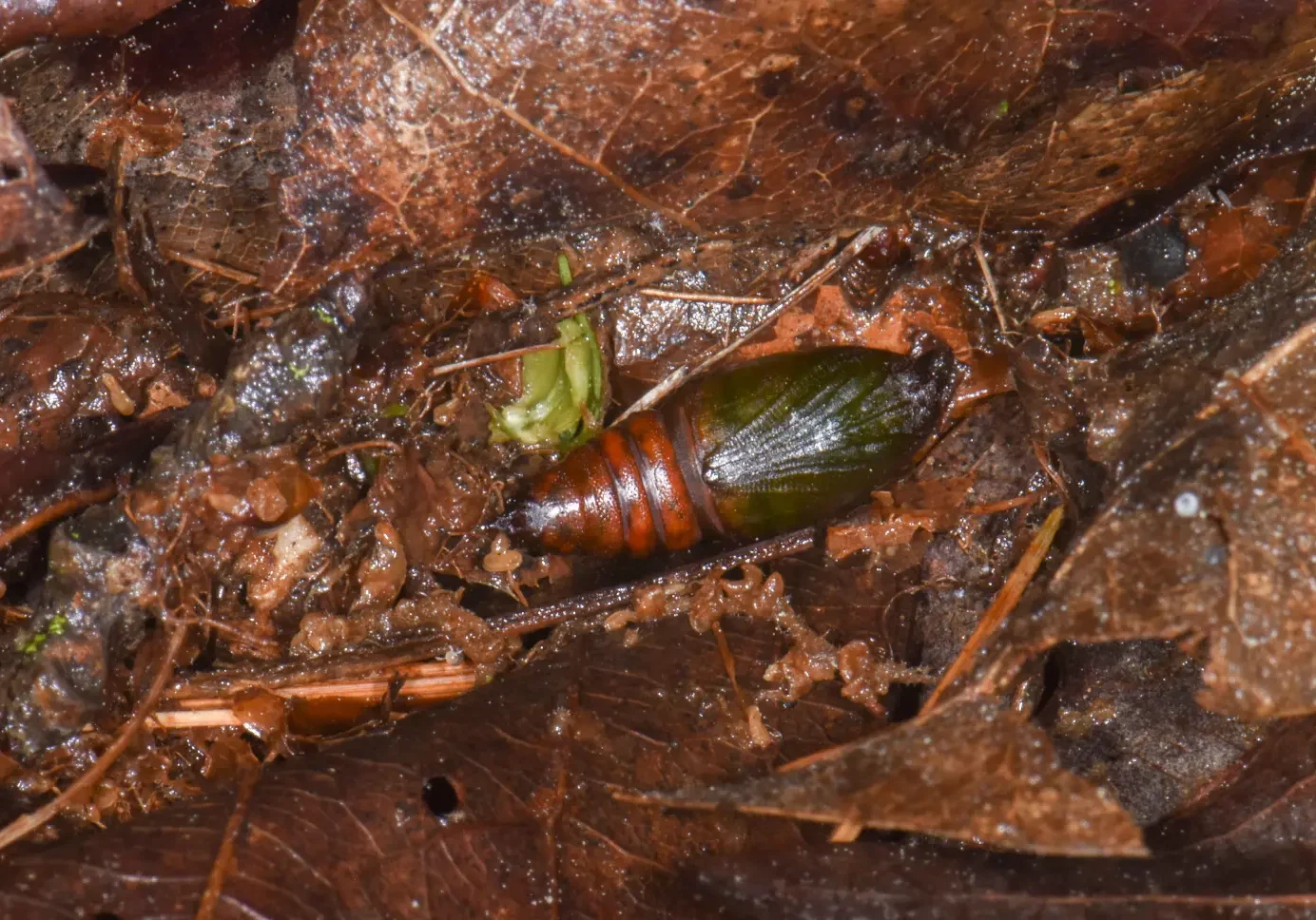
Cocoon in leaf litter
Photo from Doug Tallamy | Pennsylvania
Best practices: from most to least helpful
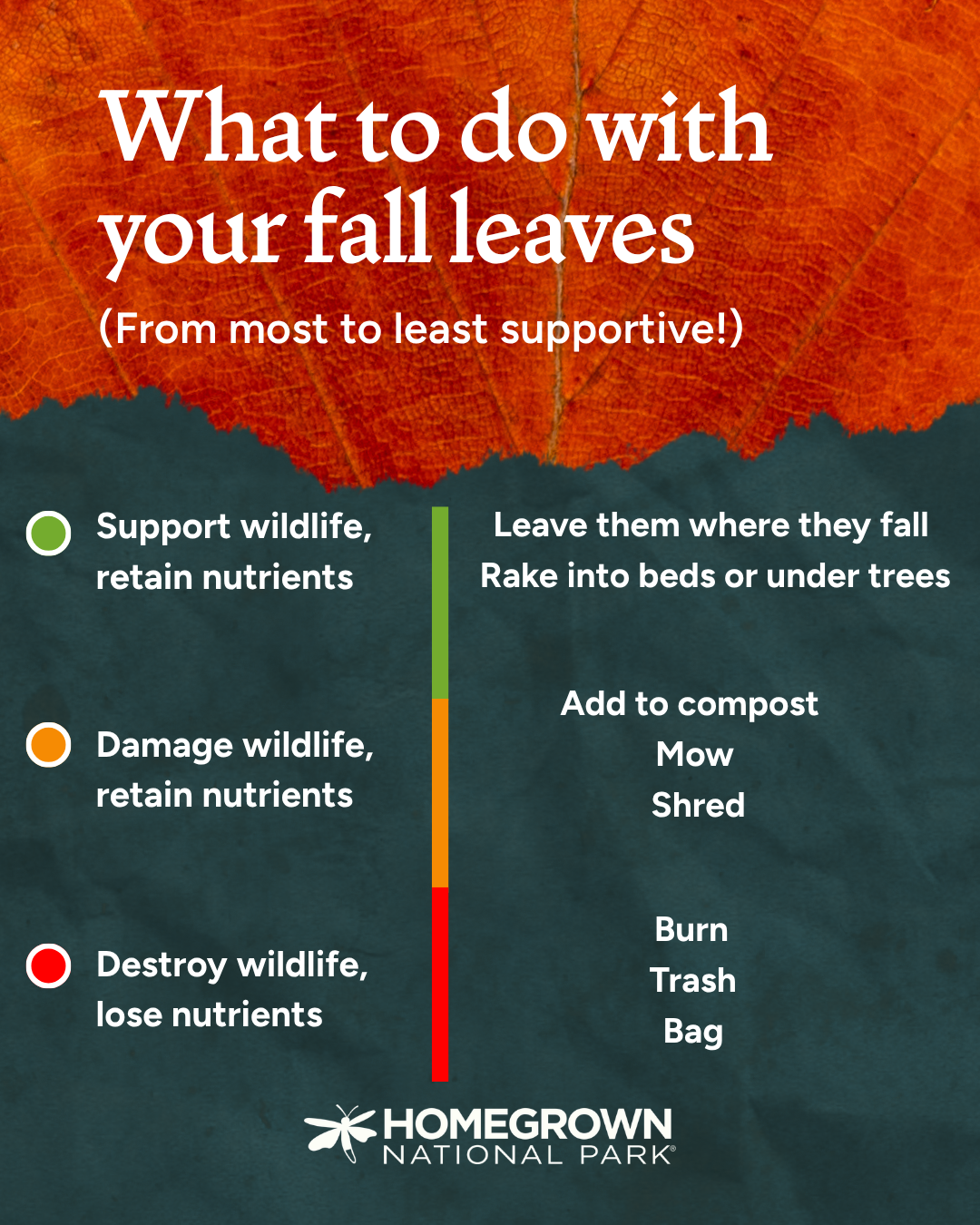
How you handle your leaves can make a big difference for the wildlife in your yard and the soil that depends on them. The more leaves that stay on your property and undisturbed, the better.
Even small shifts up this list matter. Each step closer to “leave them where they fall” gives nature more of what it needs to thrive right where you live.
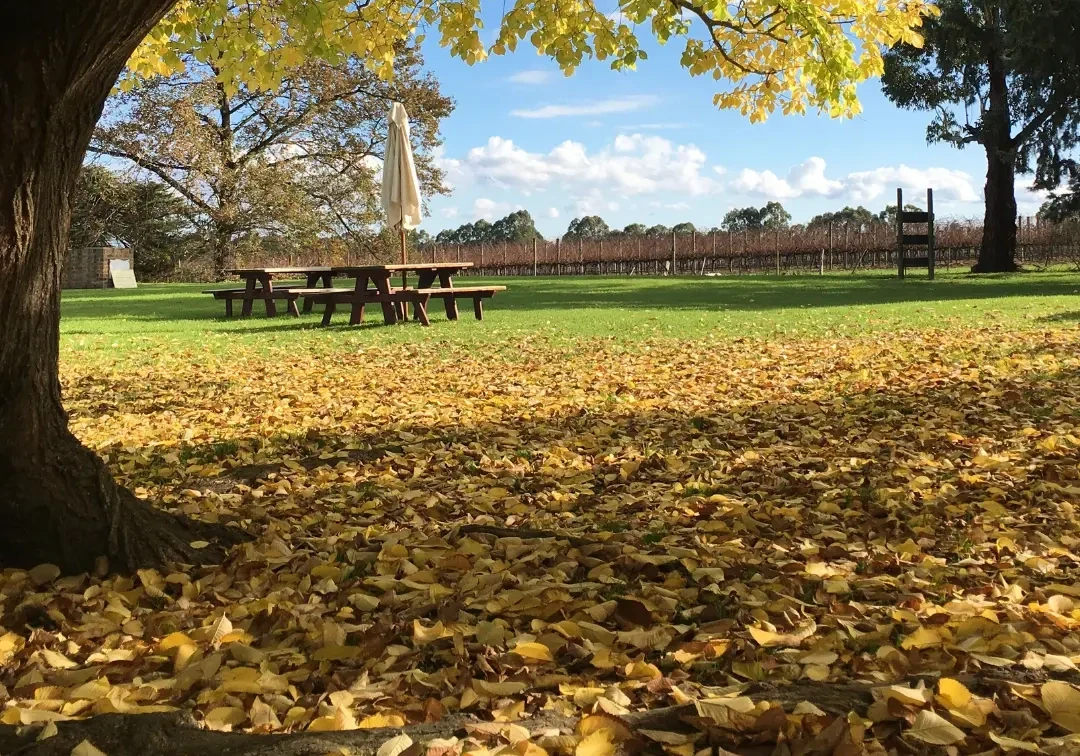
GOLD STANDARD - The best!
Leave them where they fall
This is the gold standard for biodiversity. A natural layer of leaves provides the richest habitat for overwintering insects, toads, and salamanders, while protecting roots and feeding soil life.
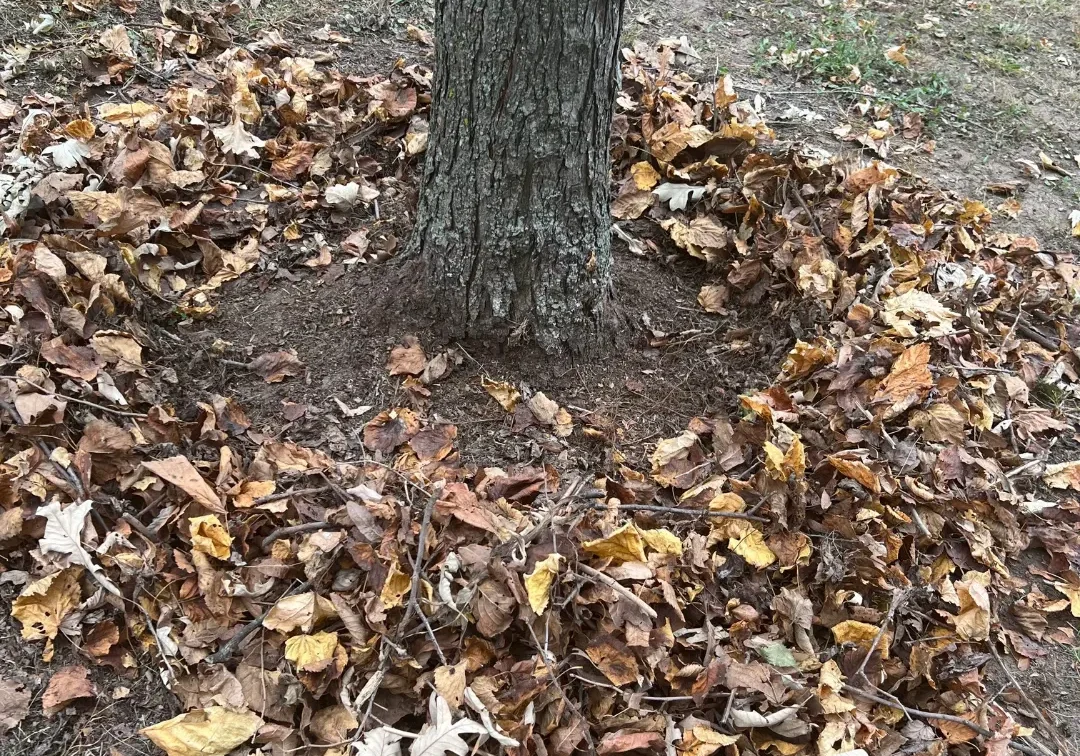
Great
Rake into beds or under trees
If you prefer a tidier look, simply move leaves into garden beds, beneath shrubs, or around trees. You’ll still protect much of the wildlife and recycle nutrients right where they belong.
OKay
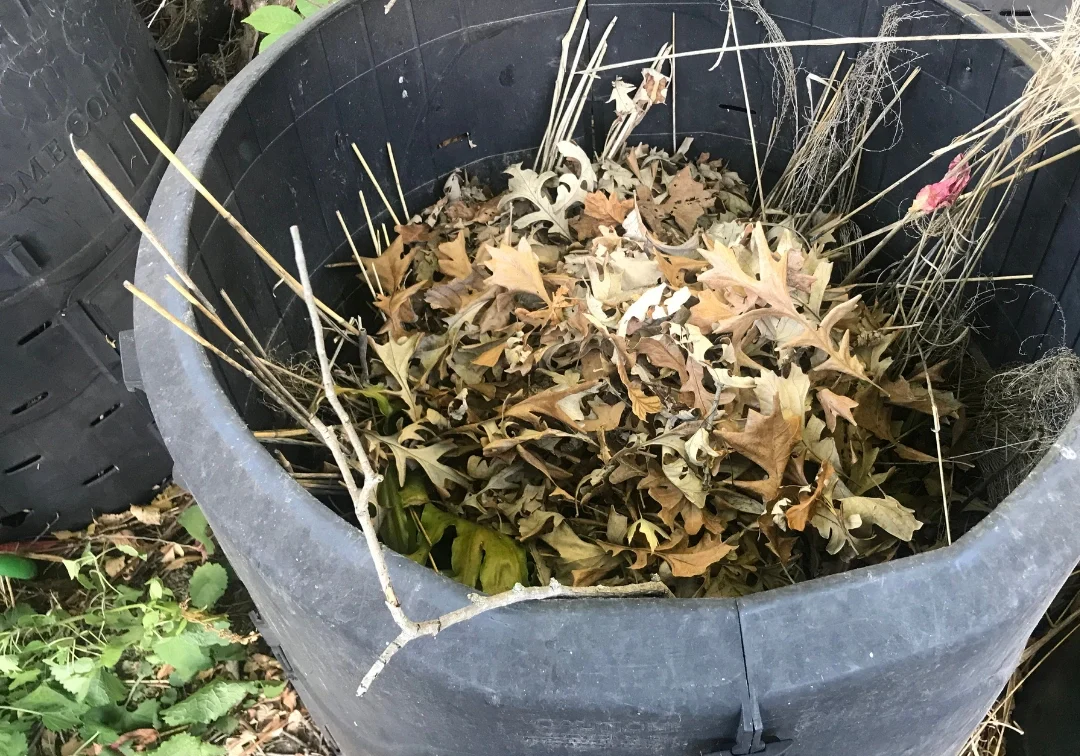
Add to compost
Composting keeps nutrients on-site and enriches your soil, but shredded or turned leaves won’t protect insects already living inside them. It’s still a win for soil health, just less so for biodiversity.
HARMFUL
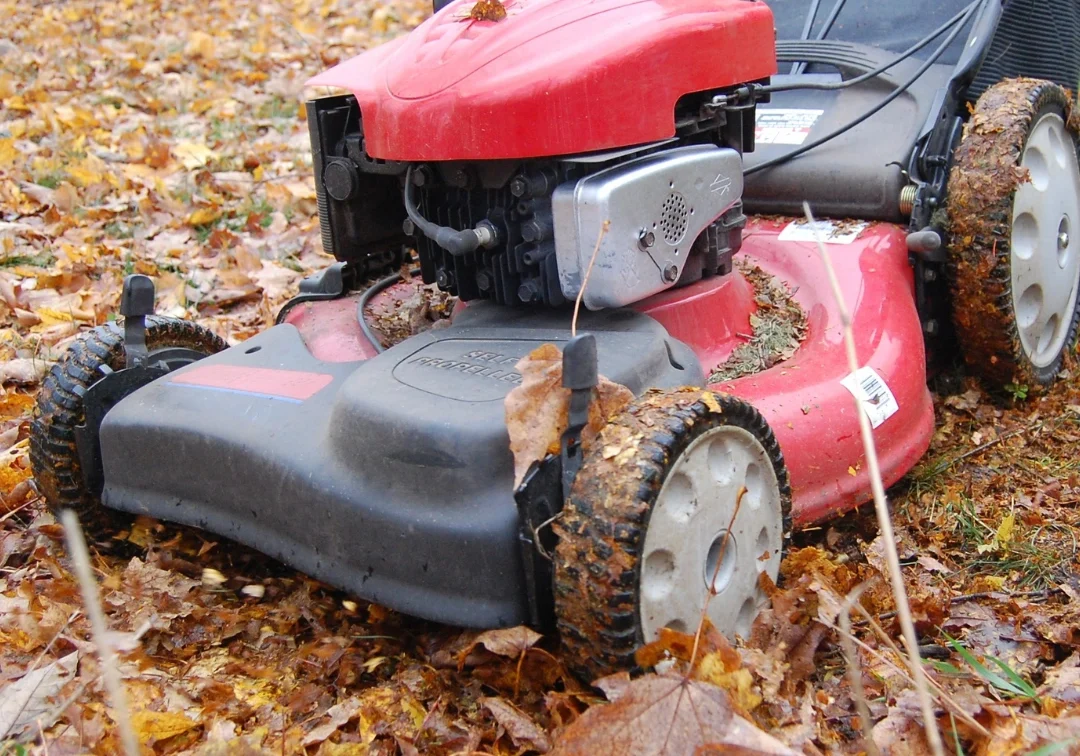
Mow or shred
If you choose to mow or shred, know that while it helps nutrients return to the soil, it also destroys many of the insects that shelter within the leaves.
MOST Harmful
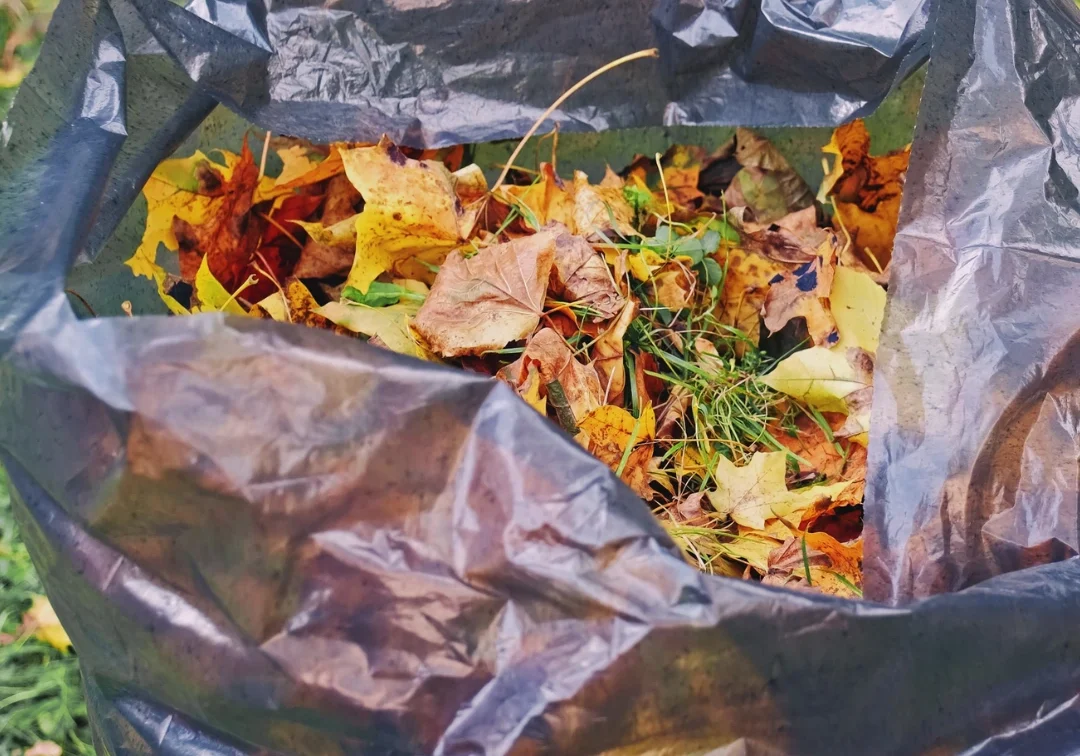
Bag, burn, or trash
Bagging or burning removes both nutrients and habitat. It’s the most harmful option for local ecosystems and the easiest one to replace with something better.
Turn your leaves into a soft landing
A soft landing is a bed of native plants under a tree, ground cover that gives caterpillars a safe place to complete their life cycle after they drop from the leaves above. Fallen leaves are one of the best ways to help establish one.
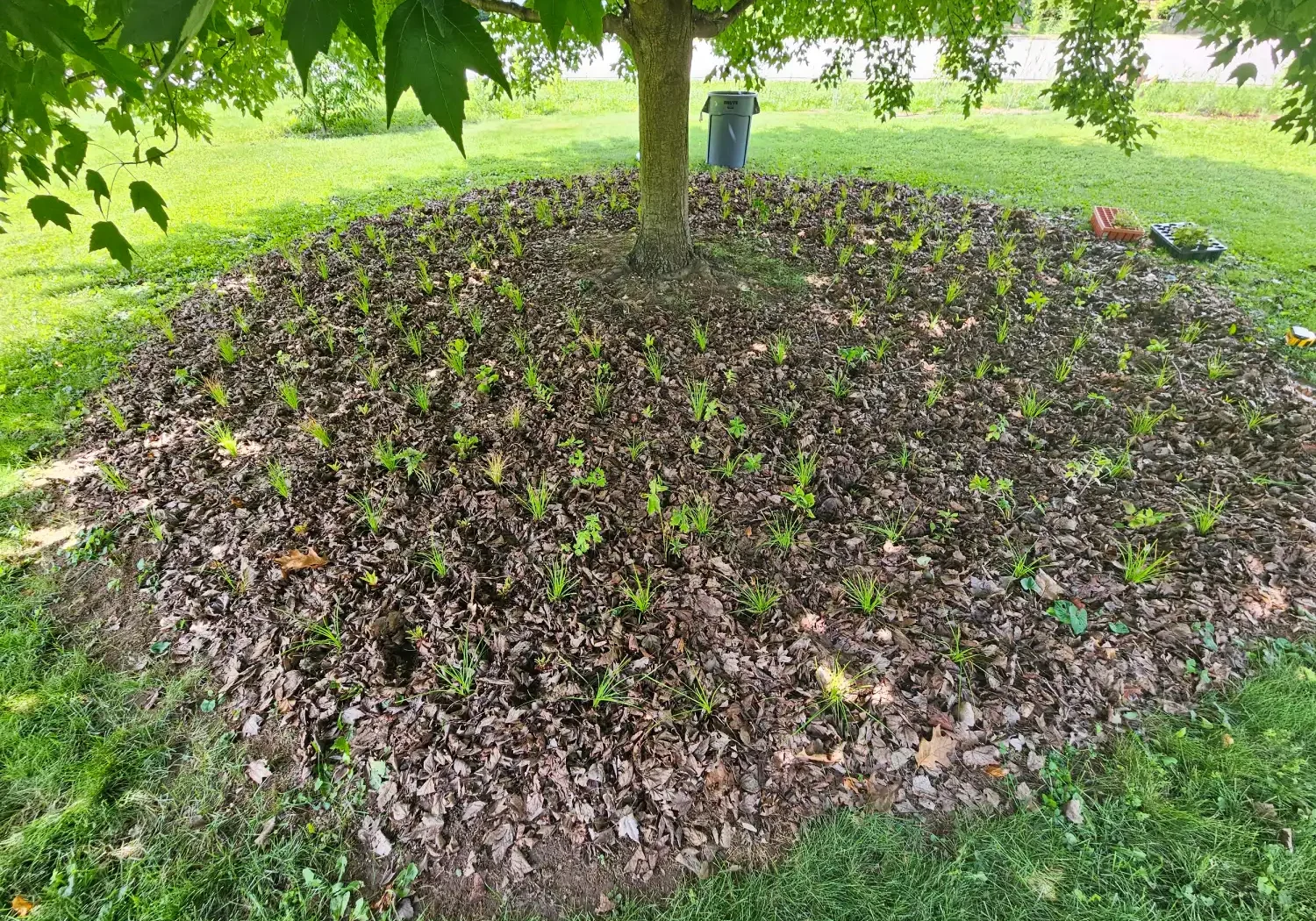
Photo from Richard Bennett | Speedway, Indiana
Spotlight on the Xerces Society
Leave the Leaves began with The Xerces Society for Invertebrate Conservation, which has spent decades protecting habitat for pollinators and other invertebrates. We're proud to help carry their message to the Homegrown National Park community.
Make your leaves count
Track Your Impact
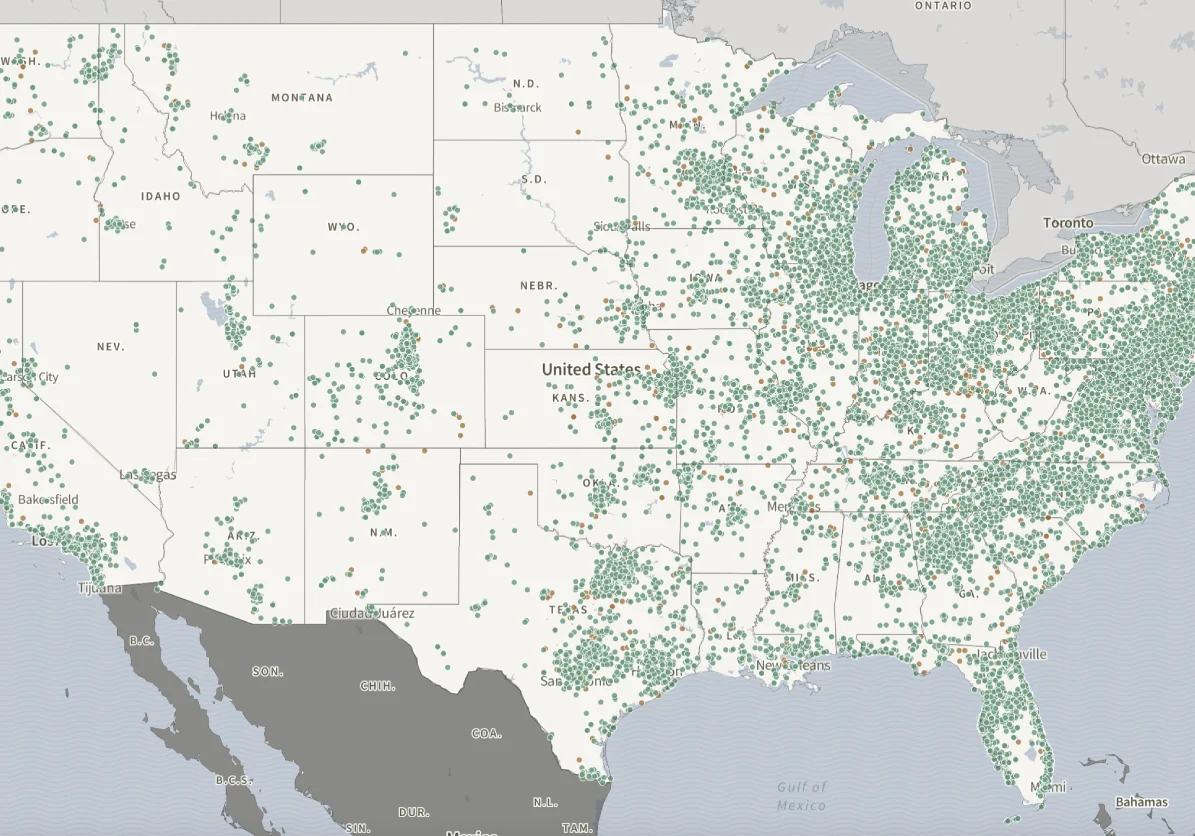
The HNP Biodiversity Map tracks habitat across the country. If you're leaving fallen leaves in place instead of raking or bagging them, your space is helping restore biodiversity. Add it to the Map, alongside thousands of others doing the same.
Already on the Map? You can add “Leave the Leaves” to your existing entry.
Related
Get started planting native
Choose plants that make a difference
Explore the Biodiversity Map
Bring this to your community