

By Richard Bennett, HNP Director of Technology
Est Read Time: 5 min
All photos from Richard Bennett | Speedway, IN
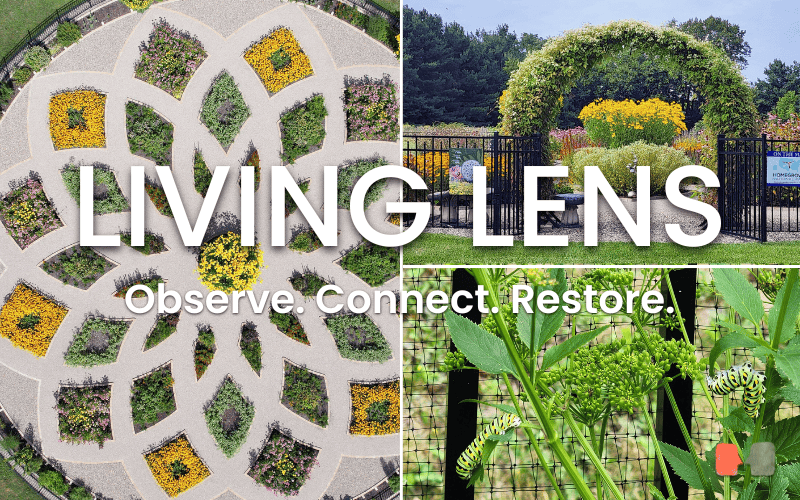
Cover photo includes Ohio Spiderwort (Tradescantia ohiensis), Heart-Leaved Aster (Symphyotrichum cordifolium), Blue Mistflower (Conoclinium coelestinum)
For years, every fall I broke out the rake and leaf blower to take care of leaf "litter." I wasn't overly concerned about my turf lawn, but I did worry about leaves blowing into my neighbors' yards, storm drains, and other unwanted places. I didn't want to be that neighbor.
However, what didn't make sense to me back then was why we were throwing all of these leaves away in the first place. So, instead, I began redistributing them into habitat gardens, and I built compost and leaf mold bins. These seemed like a much better option than sending leaves to the curb. Better yet, I could preserve at least some of the shelter that wildlife depends on during the harsh winter months.
It was more recently that I heard the term soft landing. The idea was immediately appealing: less raking, less mowing, and habitat for overwintering butterflies and moths? I was sold.
I was already installing native gardens, so why not plant directly beneath my trees as well? After looking at some beautiful examples online, I was ready to dive in headfirst. I started with two soft landings. Two became five, which eventually became eight.
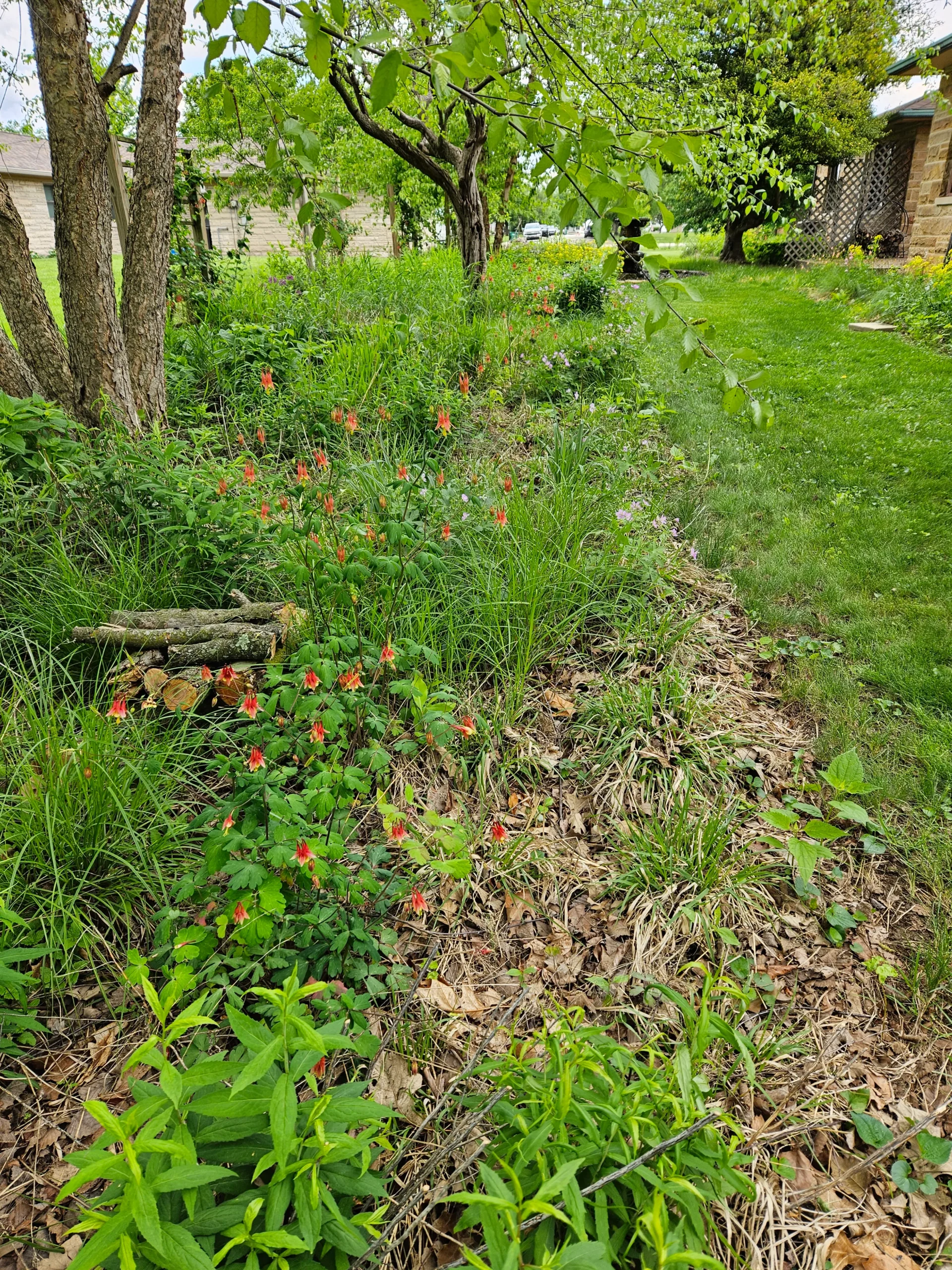
Includes Eastern Red Columbine (Aquilegia canadensis), Purple Lovegrass (Eragrostis spectabilis)
While I have been determined to install a soft landing beneath every tree on my property, I quickly realized there were more intricacies than I had anticipated. Some installations were very successful, while others required—and still require—a much more hands-on approach. Every planting has presented its own challenges, and I found that early decisions such as site preparation, choosing between seed or plugs, and plant selection all played significant roles in the outcome.
"Less raking, less mowing, and habitat for overwintering butterflies and moths? I was sold."
My Process
Smothering grass with leaves
When I started this project, one of my goals was to avoid removing or disturbing the leaves. I built a simple barrier around each tree's dripline using U-posts and chicken wire. This allowed the leaves to fall naturally in the autumn while keeping them contained. Any leaves that landed outside the circle were simply raked into the enclosure. I knew a single layer of leaves wouldn't be enough to smother the grass come growing season, so I piled them roughly 18–24 inches deep, gradually tapering the depth near the trunk to allow for air circulation.
Starting from plugs
By the following spring, the leaves had settled considerably but still formed a layer about 6–8 inches thick. Where I planned to install native plant plugs, I simply pulled the leaves aside, planted the plugs, and then moved the leaves back around them. The leaves were still intact enough to be an effective mulch throughout the growing season.
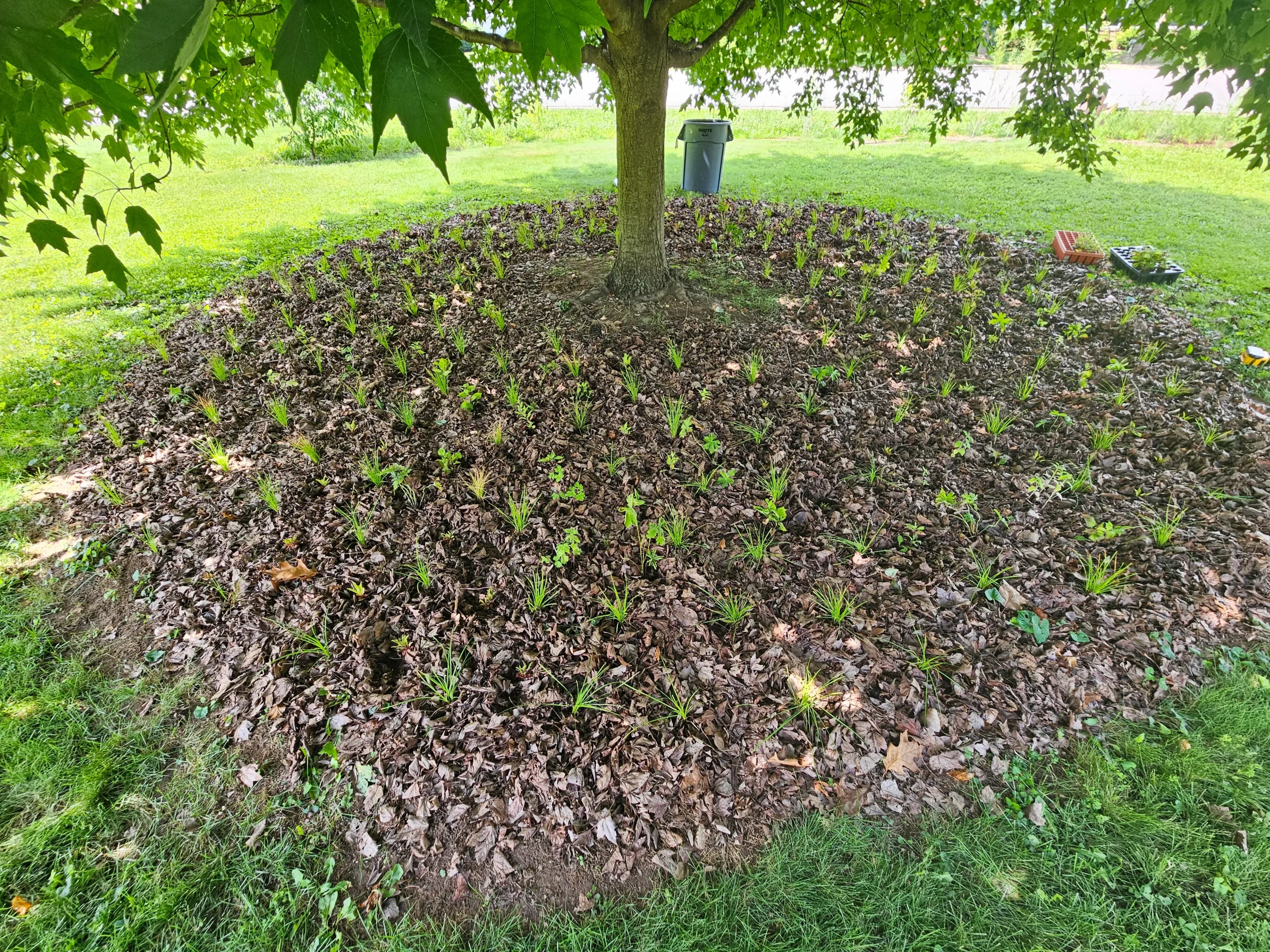
Includes Pennsylvania Sedge (Carex pensylvanica), Wild Geranium (Geranium maculatum), Short's Aster (Symphyotrichum shortii)
Starting from seed
Starting from seed to grow native sedges, grasses, and flowers required a different approach. In those areas, I left the leaves undisturbed for an entire growing season to ensure the cool and warm season grasses came out of dormancy and were effectively smothered. The following fall, after some spot-weeding, I pulled back the leaves, and sowed the seed directly onto the soil. I then added a light layer of leaves over the seed to help keep it in place through the winter and pulled back any excess the following spring.
What Didn't Work
While a few of my soft landings have been relatively easy to establish, others have come with some unexpected challenges.
One of the first issues I encountered was uneven leaf distribution. Winter winds shifted the leaves within the chicken wire enclosure, leaving some areas with a much thinner layer than others. When spring came, those spots allowed turf grass to continue to grow. I have found redistributing the leaves in early spring can help correct the problem.
Installing plugs also proved difficult beneath certain trees with shallow roots. Digging holes deep enough for the plugs often meant working around large roots, forcing me to adjust my original design. It wasn't a dealbreaker, but it did require more time and flexibility.
Starting from seed came with a different set of challenges. Germination was less predictable, both in terms of which species established and where they appeared. The result was a more natural-looking planting, which I actually preferred. However, the thinner patches where seeds didn’t establish quickly also created opportunities for weed pressure until the native plants filled
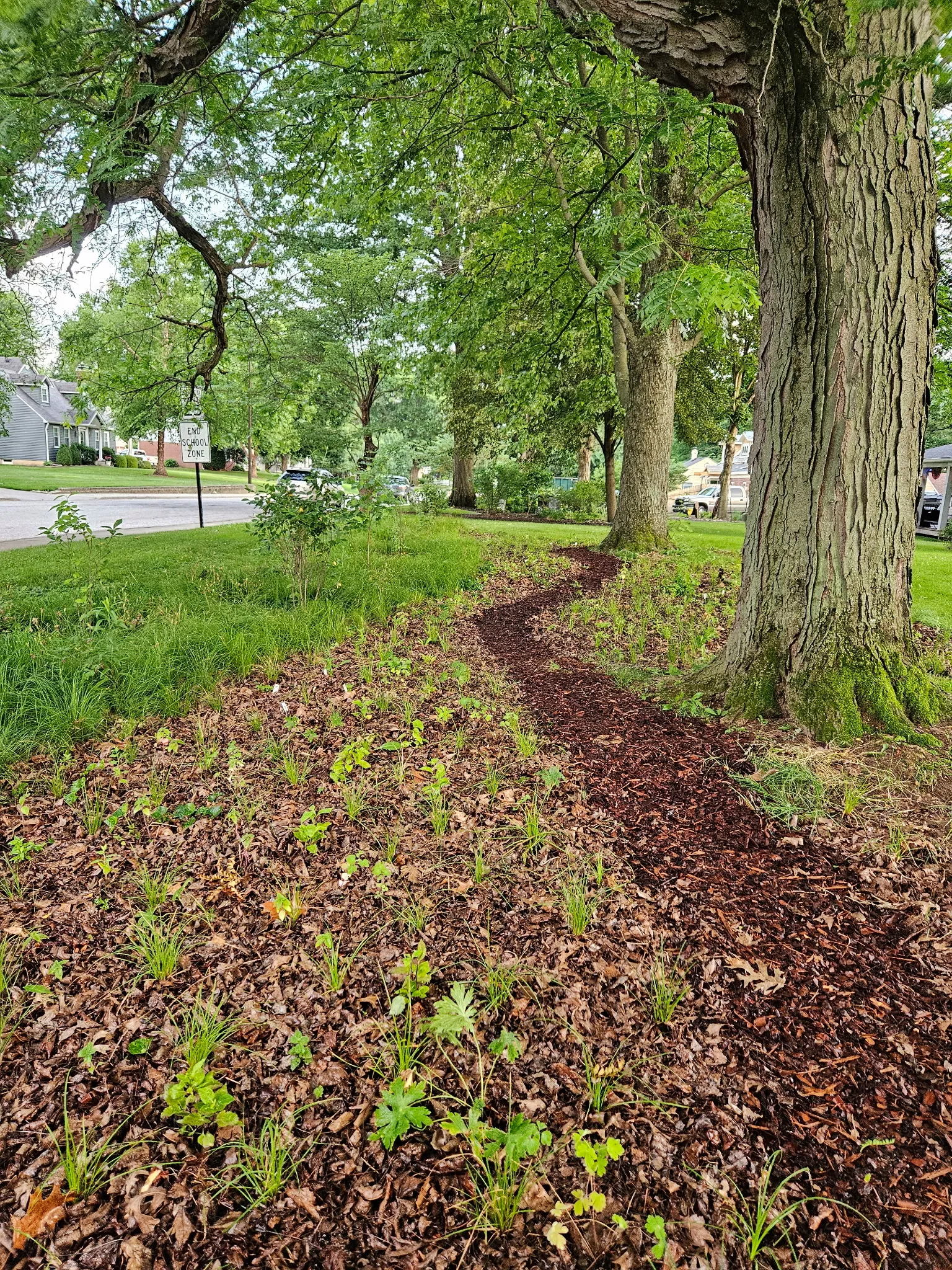
Includes Pennsylvania Sedge (Carex pensylvanica), Wild Geranium (Geranium maculatum), Short's Aster (Symphyotrichum shortii)
My Takeaways
Overall, creating these soft landings has been a rewarding learning experience. It allowed me to experiment with different installation methods and compare what worked best under different conditions in our suburban lawn.
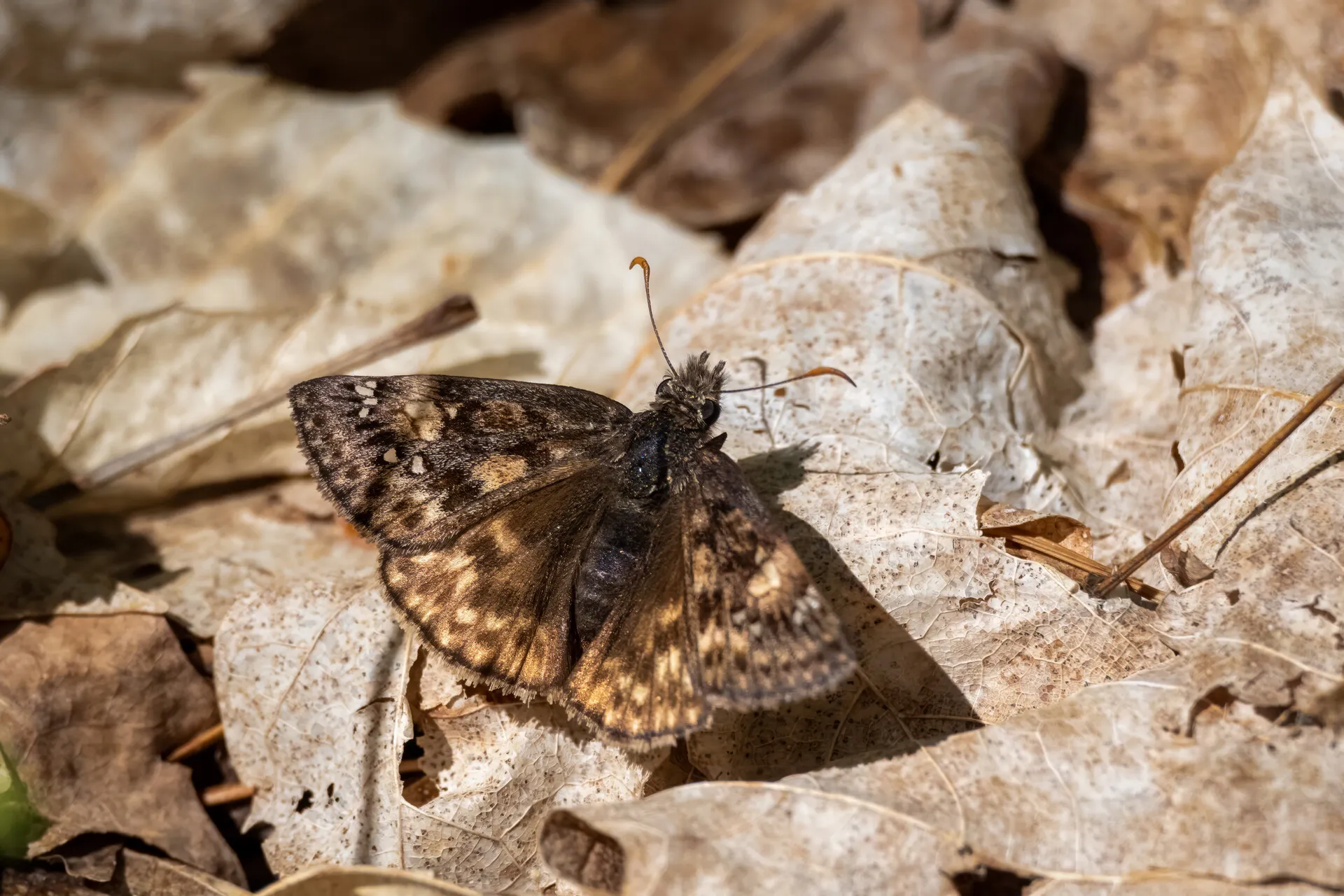
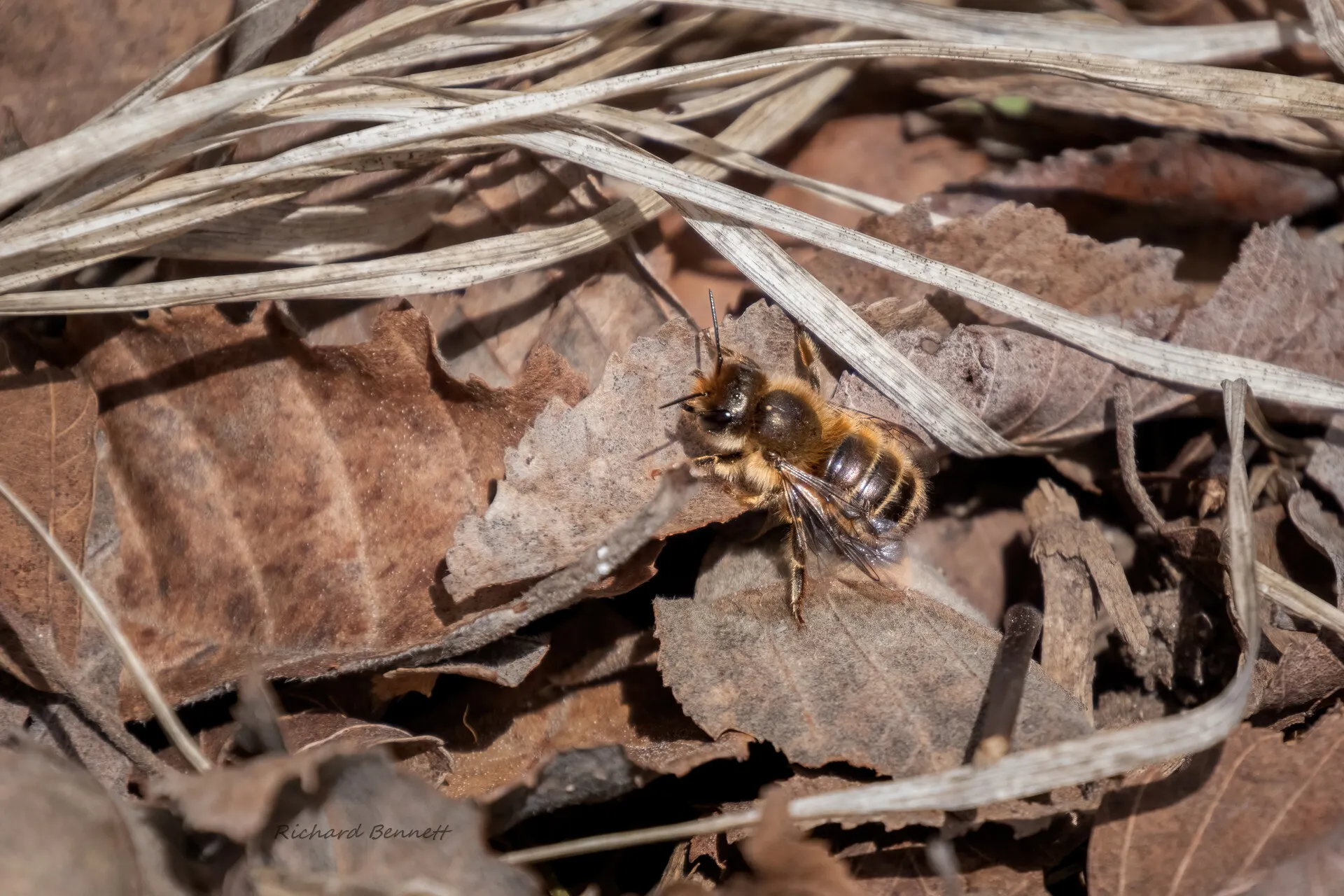
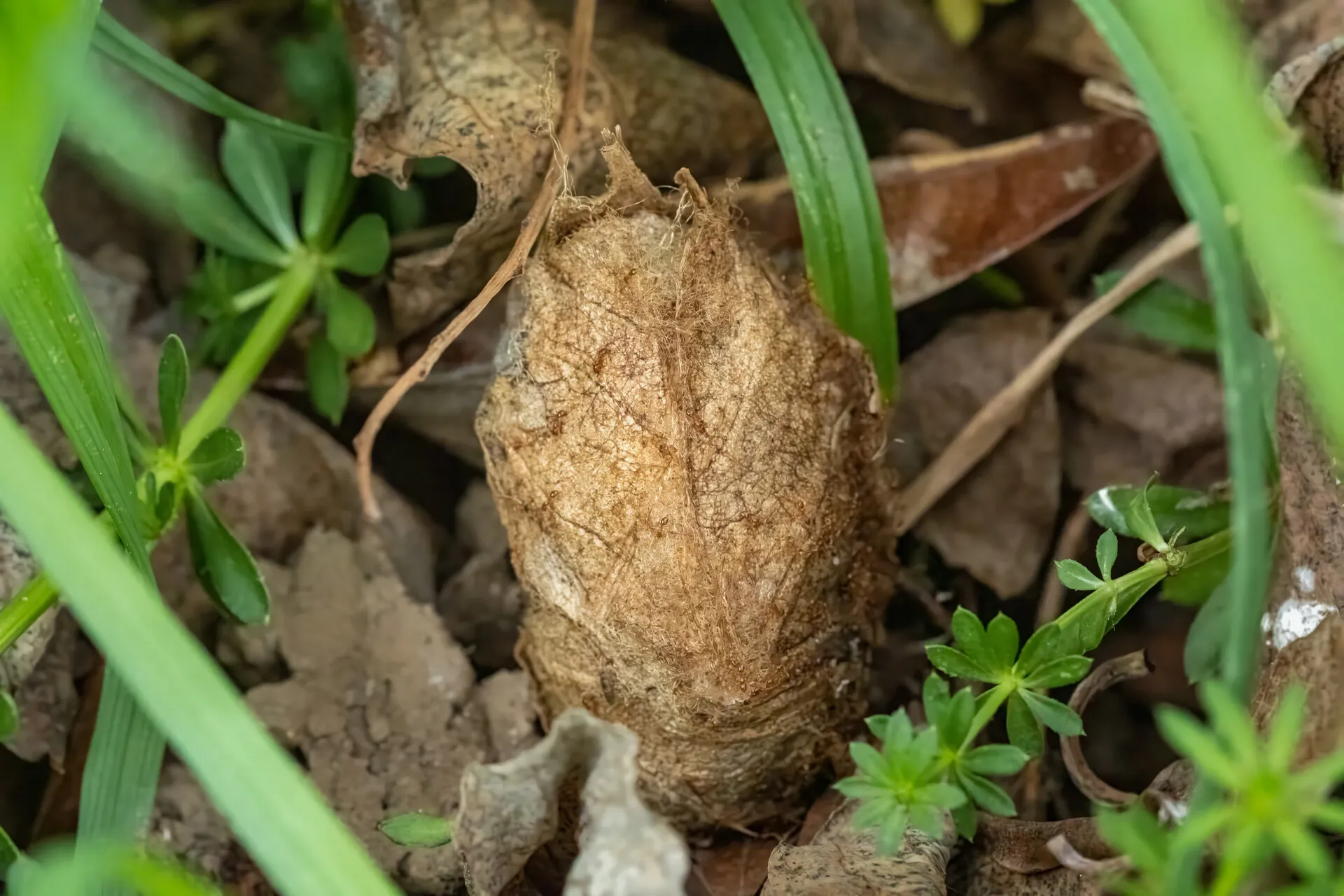
Perhaps the most rewarding result has been the increase in wildlife. Since installing these plantings, I've noticed more fireflies, moths, and countless other insects calling my garden home. In turn, I've also seen more birds visiting the garden to forage among the leaves and native plants.
No two soft landings have been exactly alike, and I definitely have plenty of refinement to do on my approach. But if there's one thing I've learned, it's that leaves and the space underneath our trees is an invaluable resource that can support an incredible amount of diversity. And even when a planting doesn’t go as planned, it still provides more value than the old turf grass ever could.
Some of the life Richard has spotted
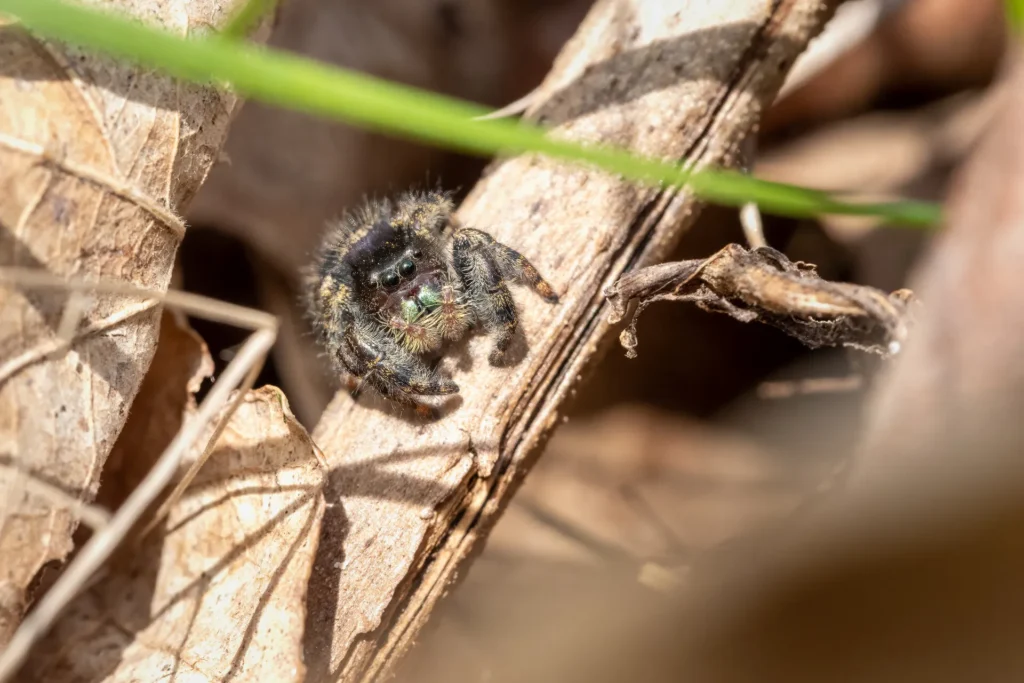
Make your soft landings count
Track your impact
You're turning a patch of grass into real habitat. Food and shelter for caterpillars and the birds that depend on them.
Now add your space to the Homegrown National Park Biodiversity Map, so it counts alongside thousands of others across the country.