


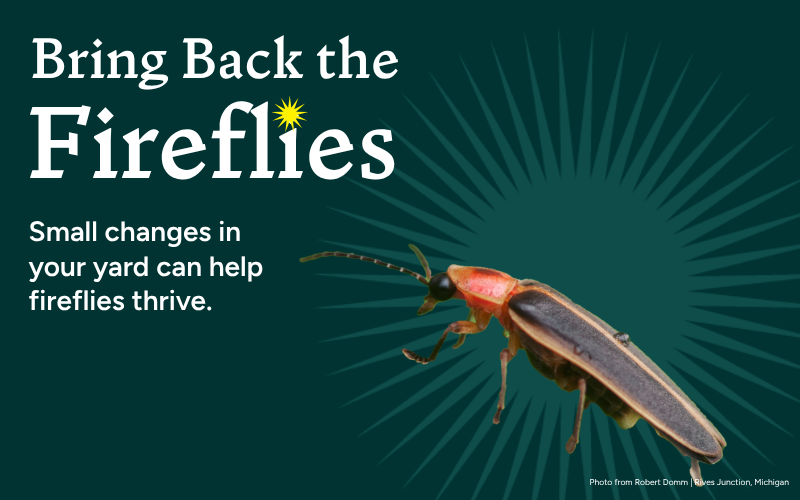
Small changes in your yard can help fireflies thrive.
Est. Read Time: 5 min
Summer evenings used to come with a light show.
Warm air, bare feet, and tiny sparks drifting through the dark — fireflies were part of what made the season feel alive. World Firefly Day is coming up, and it's a good moment to ask: are you seeing as many as you used to?
For a lot of people, the answer is no. Firefly populations are declining across North America. Habitat loss, pesticides, and light pollution are all taking a toll. But the story doesn't have to end there.
Why fireflies matter
Fireflies aren't just beautiful. They're part of how healthy ecosystems work.
More than 2,000 species exist worldwide, and many are at risk. Firefly larvae are predators. They hunt snails, slugs, and other soil invertebrates, keeping things in balance in leaf litter and underground. Most species depend on specific habitats: wetlands, meadows, and forest edges where moist soil and natural cover give them what they need to complete their life cycle.
When those places disappear, so do the fireflies.
What's getting in the way
 Habitat loss
Lawns replace meadows. Wetlands get drained. When wild spaces shrink, fireflies lose places to lay eggs, hunt, and grow. They can't just move somewhere else. They need specific conditions that most developed landscapes don't offer.
 Pesticides
Chemical treatments don't distinguish between the pest you're targeting and the insects you're not. Fireflies and the small creatures their larvae depend on are both at risk. This includes mosquito fogging, one of the most common yard treatments and one of the most harmful to fireflies and other beneficial insects. The Mosquito Bucket Challenge is a more targeted approach: it controls mosquito larvae at the source, without broad spraying that harms the rest of your yard's wildlife.
 Light pollution
Fireflies use their glow to find mates. Bright outdoor lighting drowns out those signals. Even a well-lit porch can disrupt what's happening in the dark at the edge of your yard.
Six ways to make your yard firefly-friendly
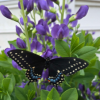 1. Plant native
Native wildflowers, grasses, and shrubs support the insects fireflies eat.
Photo from Richard D. in Snow Hill, Maryland
 2. Dim outdoor lights
Switch to yellow bulbs, use motion sensors, and point lights downward. Turn off anything that doesn't need to be on after dark.
 3. Skip the fogging
If mosquitoes are the issue, try the Mosquito Bucket Challenge instead. It targets larvae without harming fireflies, pollinators, or other wildlife.
 4. Leave the leaf litter
Firefly larvae live in moist soil and decomposing leaves. That pile you were going to bag? Leave it.
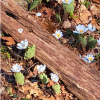 5. Leave some decaying wood
Rotting logs and stumps provide the shelter and moisture firefly larvae need to survive.
Photo from Sharon R. in Manchester, Connecticut
 6. Create a no-mow zone
Even a small corner where plants can grow undisturbed gives fireflies space to complete their life cycle.
Photo from Backyard Bounty in Bethesda, Maryland
You don't have to be the last generation to see them
Fireflies are struggling. But they're also resilient. When habitat comes back, they return.
The choices happening in yards right now will shape whether kids see fireflies on summer evenings for years to come.
Why the firefly is our logo
 A firefly's light is small. But it cuts through darkness, and it shows the way.
That's how we think about every person that plants native, leaves the leaf litter, and turns off the porch light. One small signal. Connected to thousands of others.
When you create conditions for fireflies, you're also creating habitat for birds, pollinators, and the whole web of life that depends on healthy, native-planted spaces. Share what you're doing and you might just light up your whole neighborhood.
Add your space to the Biodiversity Map and be part of what's bringing them back.
You may also like:
Choose plants that make a difference
Learn why native plants matter
Why remove invasive plants
Do you really believe fireflies can live in city gardens?
Absolutely! I have a city garden and fireflies definitely live here. I have seen them these last couple weeks in the garden same as in previous years.