


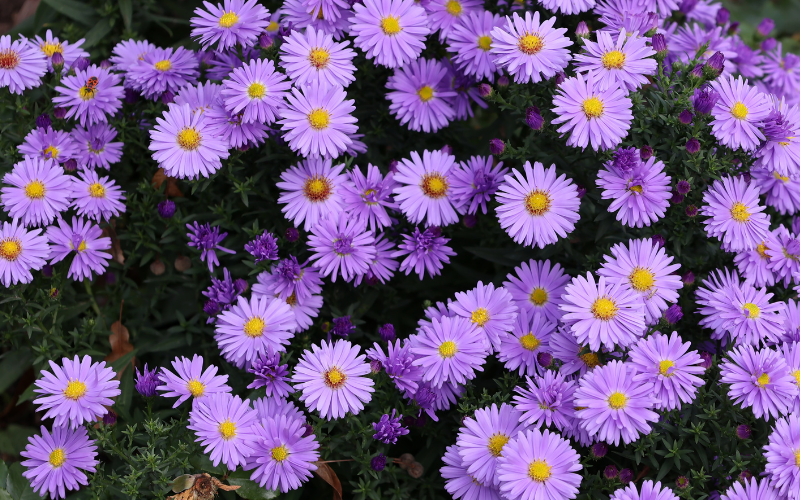
Native asters give you the same color, minus the yearly repurchase and plus the wildlife.
Every fall, millions of mums show up on porches across the country. They're beautiful, but for most of us, they're also temporary decoration, plants bred for color, not for the insects and birds that share our yards. We buy them, enjoy them for a few weeks, and replace them again the next year, having given wildlife little in return.
There's a better way to get that same porch full of fall color: native asters.
Why Asters
Native perennials can live in your containers for years instead of weeks. They come back each spring, hold their shape all season, and unlike mums, actually feed the insects, birds, and other wildlife sharing your yard. Asters are one of our favorite swaps. Native species grow across much of the U.S., many bloom from late summer into fall, and their masses of daisy-like flowers give you the same overflowing look we love about mums. They're also one of our most high-impact native plants, supporting an outsized number of native insects and offering a crucial source of nectar and pollen late in the season, when many other blooms have already dropped off.
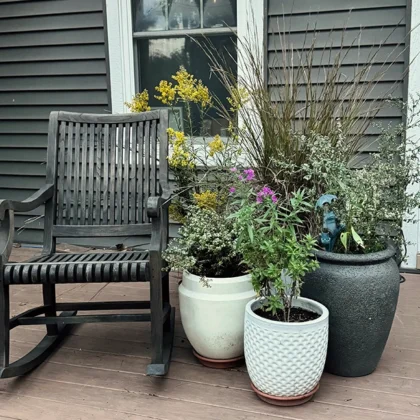
Calico Aster (Symphyotrichum lateriflorum), New England Aster (Symphyotrichum novae-angliae), Showy Goldenrod (Solidago speciosa), Little Bluestem (Schizachyrium scoparium)
Photo from Grant Jensen | Afton, Minnesota
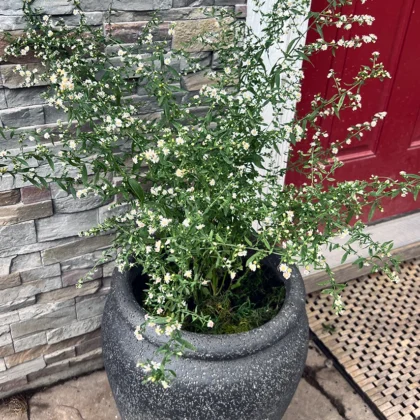
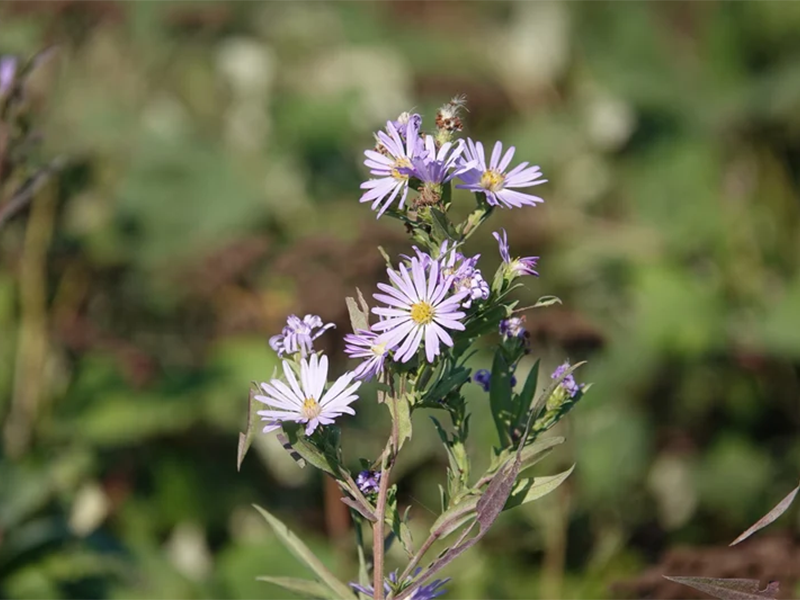
Calico Aster (Symphyotrichum lateriflorum)
Photo from Grant Jensen | Afton, Minnesota
Finding the Right Aster for Your Area
Bloom timing varies by region and even by aster species, so it's worth doing a little homework before you plant. Use our Keystone Plant Tool to find varieties suited to your area, check with a local native plant nursery, or see ordering options below.
Some Keystone Aster Favorites
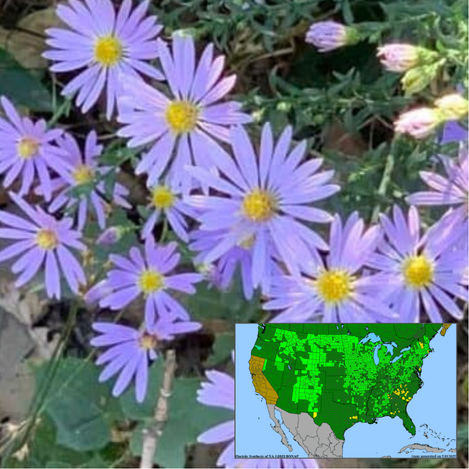
Smooth Aster
Symphyotrichum laeve
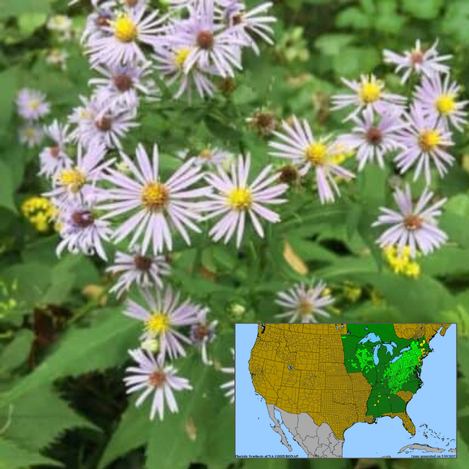
Crooked Aster
Symphyotrichum prenanthoides
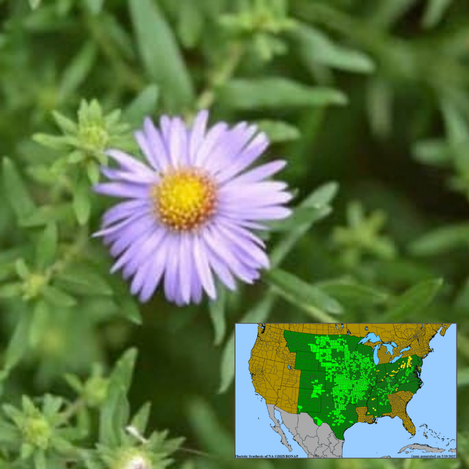
Aromatic Aster
Symphyotrichum oblongifolium
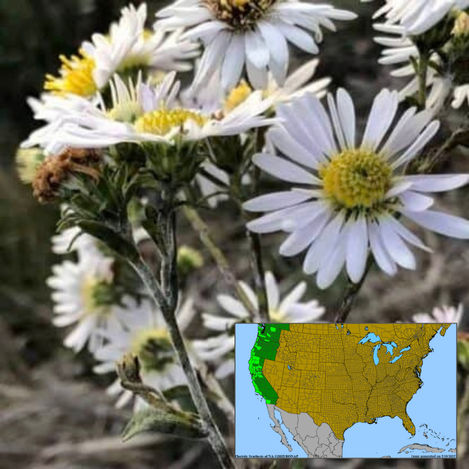
Pacific Aster
Symphyotrichum chilense
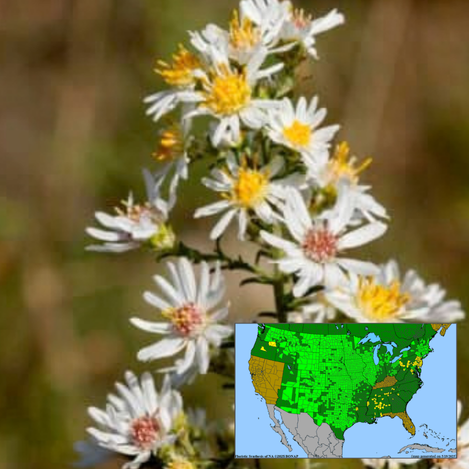
White Heath Aster
Symphyotrichum ericoides
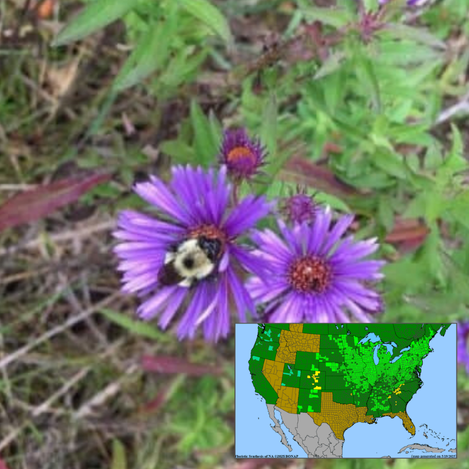
New England Aster
Symphyotrichum novae-angliae
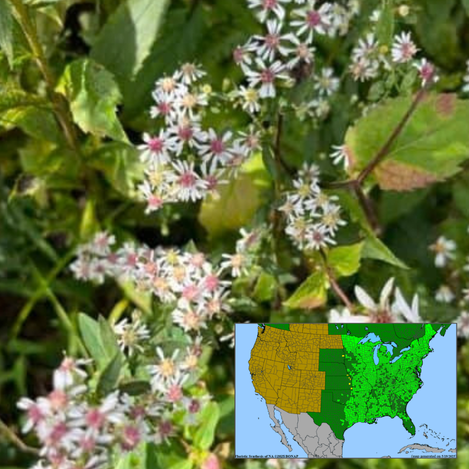
Calico Aster
Symphyotrichum lateriflorum
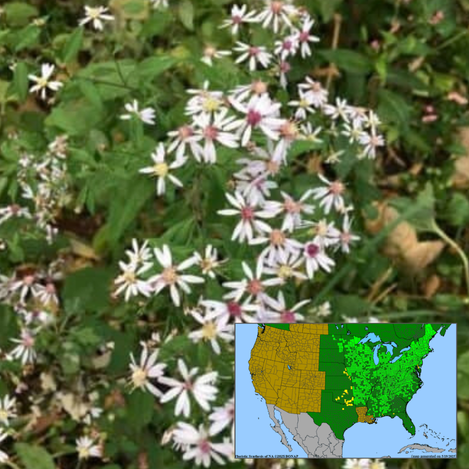
Blue Wood Aster
Symphyotrichum cordifolium
Patience Now, Payoff Later
Here's the part that takes some adjusting: if you plant asters this fall, you won't have a full container this year. Most of their first-year energy goes into establishing roots, not putting on a show above ground, so an aster planted in fall may give you a bloom or two at most.
That's the tradeoff, and it's worth it. Give your asters a full growing season to settle in, and by next fall, you'll have a container that rivals any mum basket, and keeps coming back after that. Plant this fall or early next spring, then let the payoff come the following fall.
Buy aster plugs for a head start, since they'll typically bloom well within a year or two of planting. Growing from seed costs less, but takes a little more patience: native aster seed usually needs a period of cold stratification to germinate at all, and it can take two years or more before you see your first real bloom.
Container Basics
Use at least a 3- to 5-gallon container per plant. Bigger is better: more room for roots, less chance of drying out. Let rain do some of the watering for you by placing containers where they'll actually get rained on, rather than tucked under a porch roof. You'll still need to water during hot or dry stretches, especially while plants are getting established, but a container placed well needs surprisingly little upkeep once it's going.
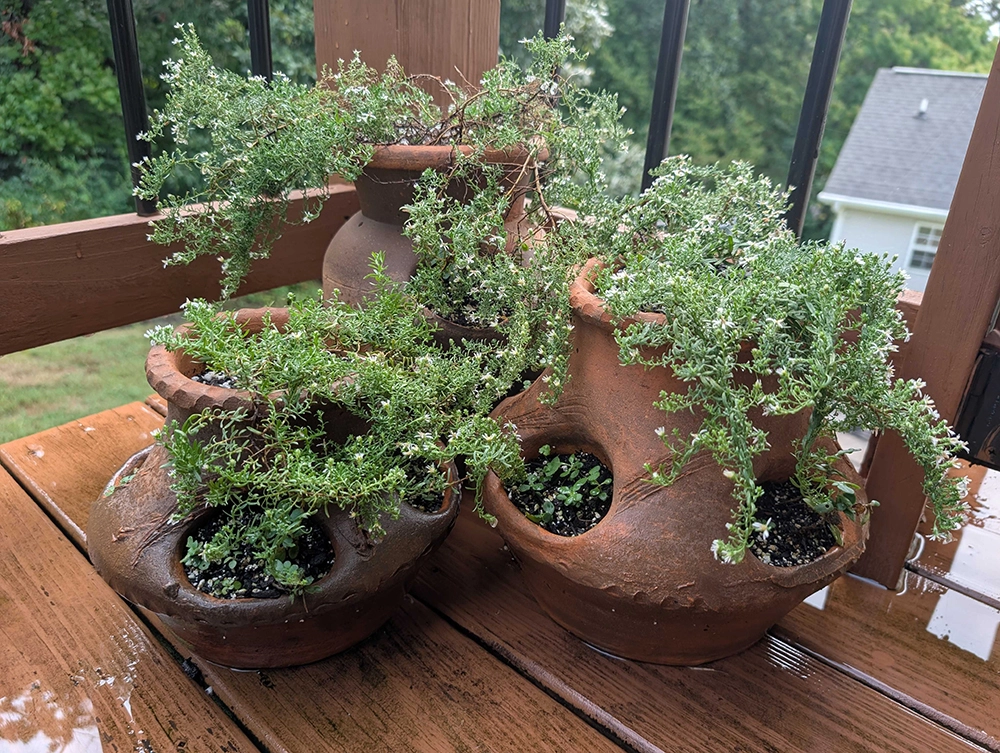
White Heath Aster (Symphyotrichum ericoides), Woodland Stonecrop (Sedum ternatum)
Photo from Krista De Cooke | Knoxville, Tennessee
Overwintering Your Containers
Whether your containers survive winter depends on your climate and your plant. In mild climates (Zone 7+), many native perennials will overwinter in containers with minimal protection. Leave the stems, since they provide shelter for overwintering insects.
In colder climates (Zone 6 and below), containers are more vulnerable than the ground because roots are exposed to air temperature. Options include moving containers to a sheltered spot, such as an unheated garage or against a south-facing wall, burying the container in the ground for winter, or accepting some loss, since containers are cheap to replant and many natives are surprisingly tough.
Most native plants actually need a period of winter cold to grow and bloom well, so the goal is protection from extreme cold, not avoiding cold altogether. Skip the heated indoor space. And don't cut everything back in fall. Hollow stems, seed heads, and leaf litter are winter habitat for insects. Leave what you can until late spring.
This fall, skip the mums. Let your asters do the work.
Asters and Monarch Migration
A word from David Levine, co-founder and CEO of My Home Park, one of our partner organizations, showing how vital asters can be to monarchs butterflies.
Make Your Container Gardens Count
Already growing natives in containers? Add your garden to the HNP Biodiversity Map! Fill out this quick form — if you're new to the map, you'll be added as a participant, and if you're already on it, your container garden will be counted too.
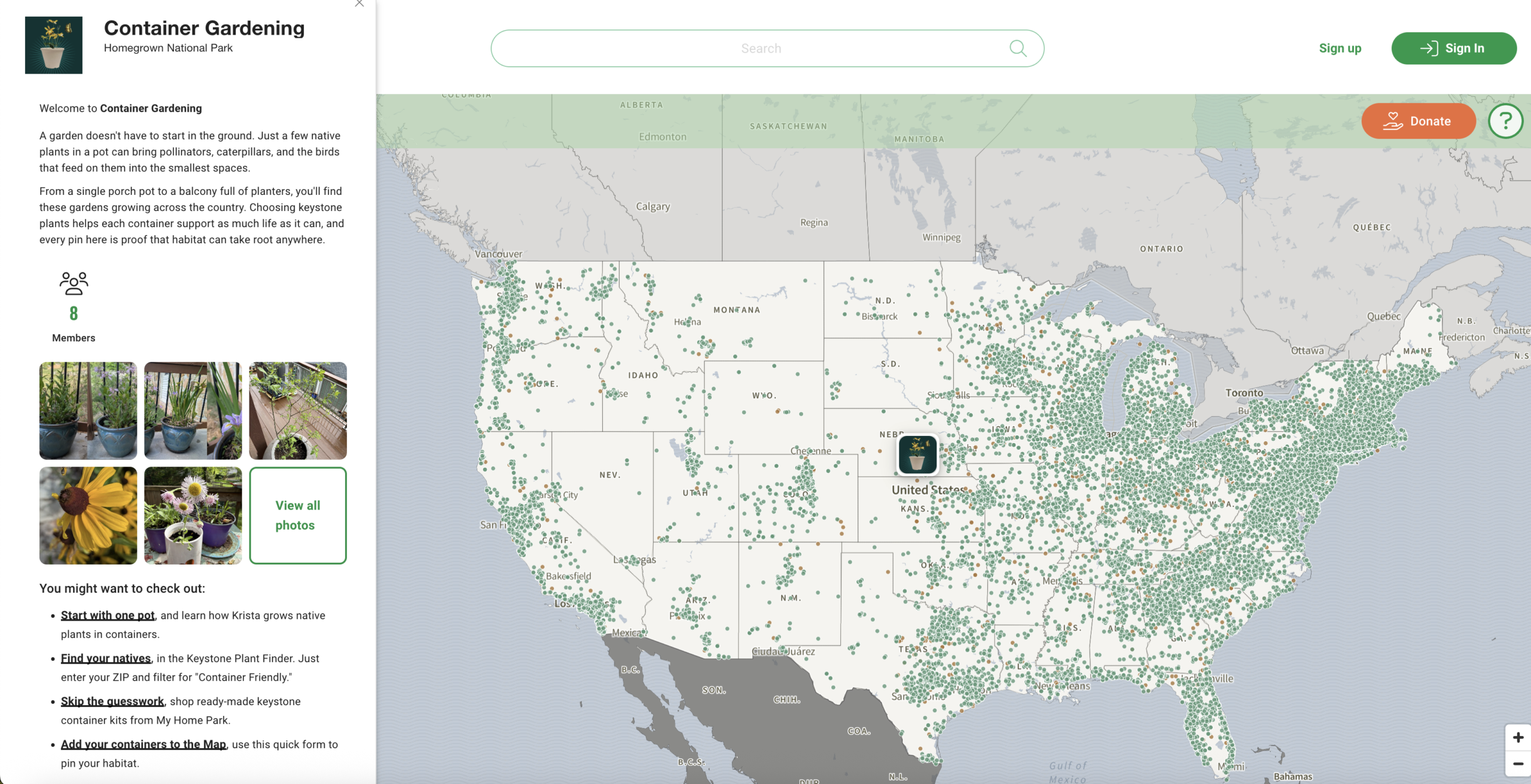
 We'd also love if you'd send us images of your container garden for a chance to be featured on our website and social media.
You may also like:
Container Gardening with Native Plants
Why Leave Your Leaves
Create Soft Landings
Why Native Plants Matter
Want to Order Your Asters?
Our partners at My Home Park now offer ready-to-plant aster packages. Use coupon code HOMEGROWN10 for 10% off.
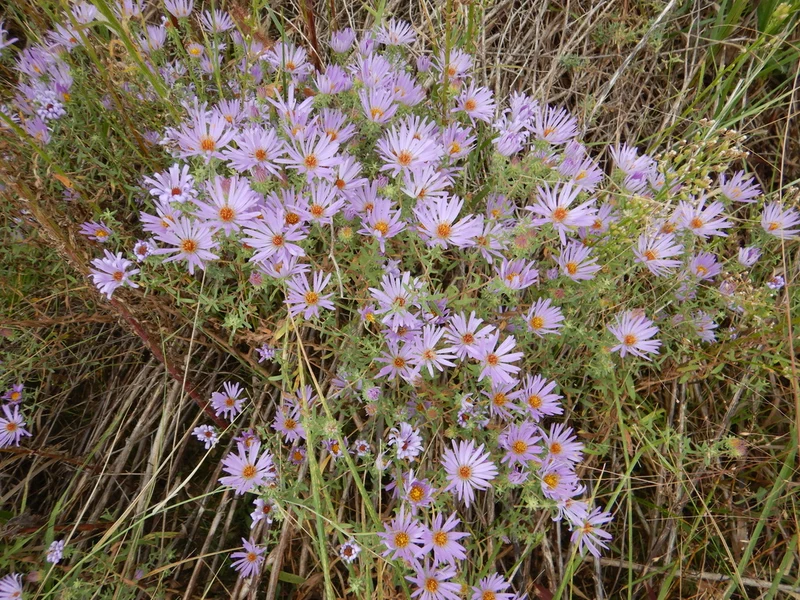
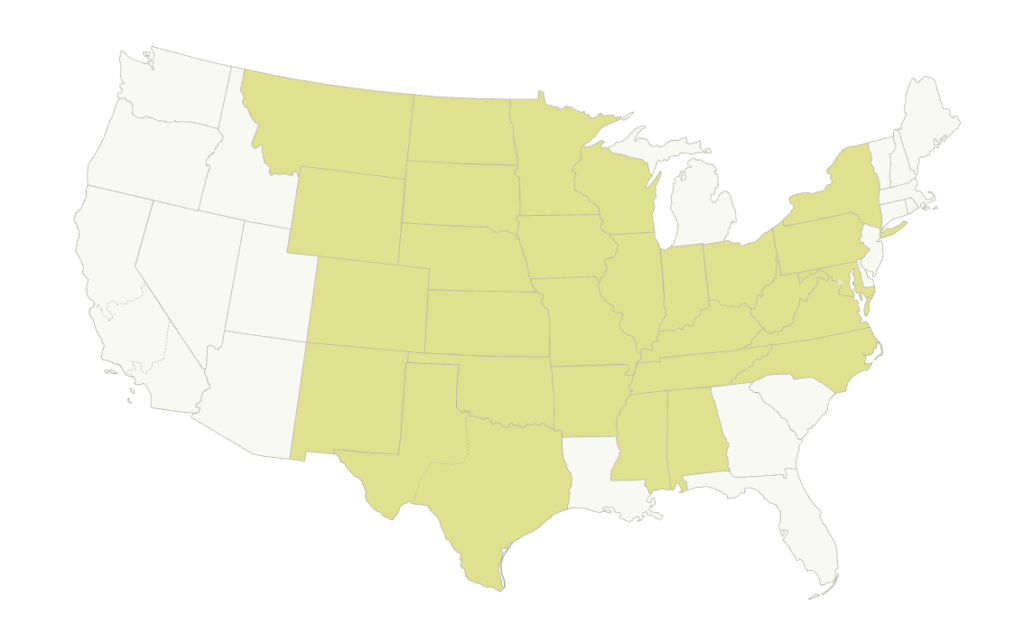
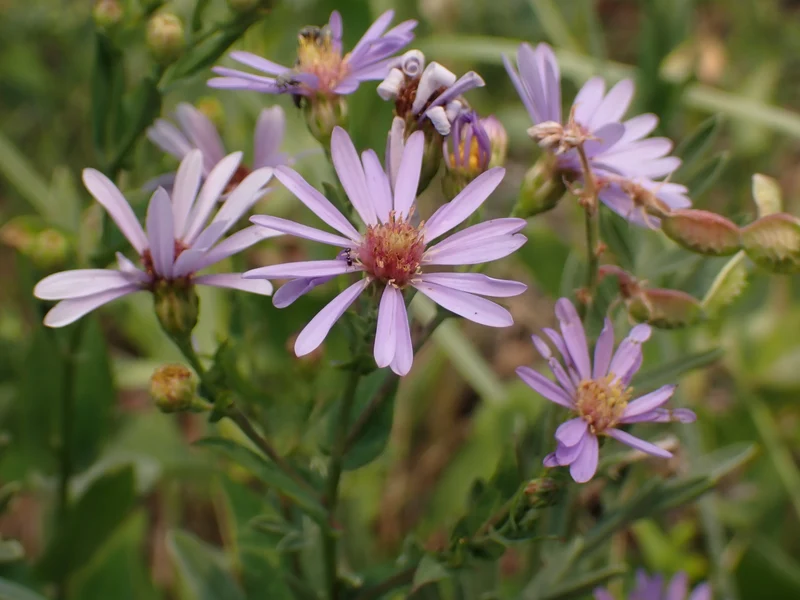
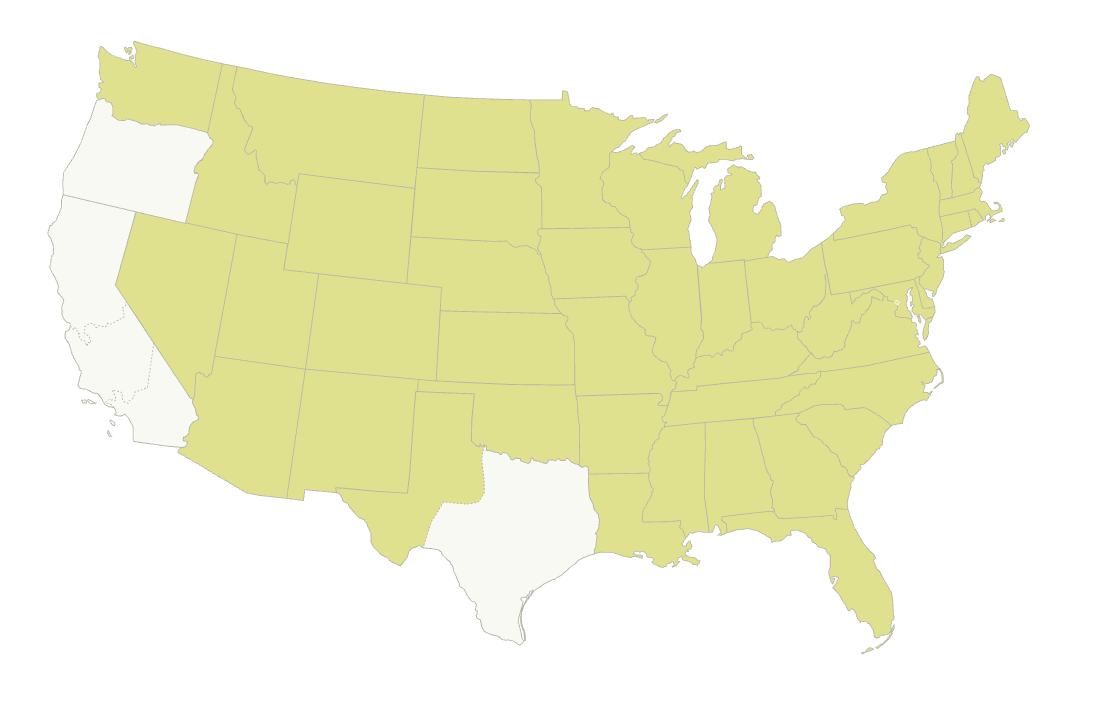
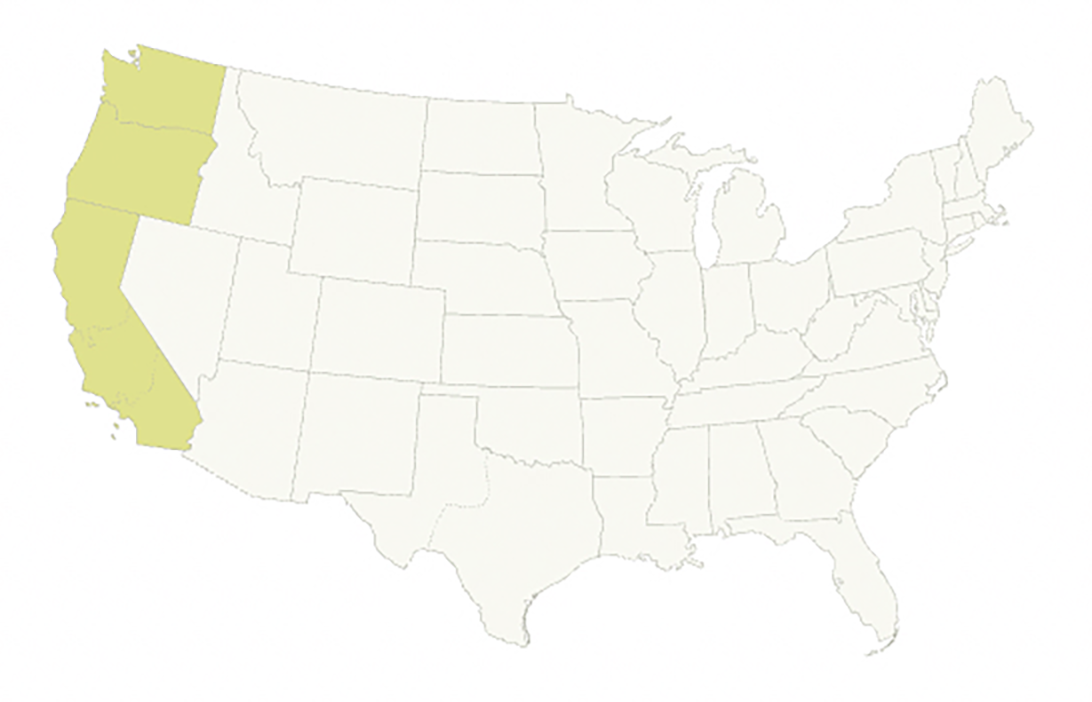
These plants are known to be native in the states highlighted on the maps above. Note that My Home Park growers' shipping ranges are limited, so please check availability in your zip code before ordering.
I love the idea of displaying calico asters on my front steps instead of mums. I have many asters growing in my small backyard meadow. Instead of buying plugs, can I dig some up and pot them in containers for display this or next year? Thanks!